 +91-9310172512
 +44-7831491778
 +971-526686526
Curating certified treasures
India UK UAE
+91-9310172512+44-7831491778+971-526686526 India UK UAE+91-9310172512+44-7831491778+971-526686526 India UK UAE
Curating certified treasures
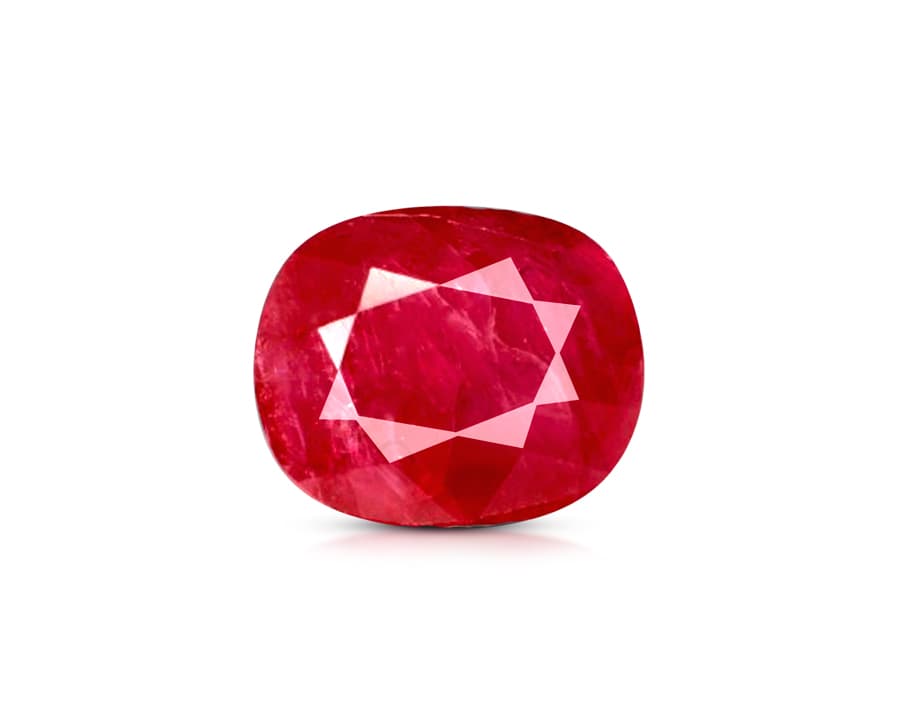
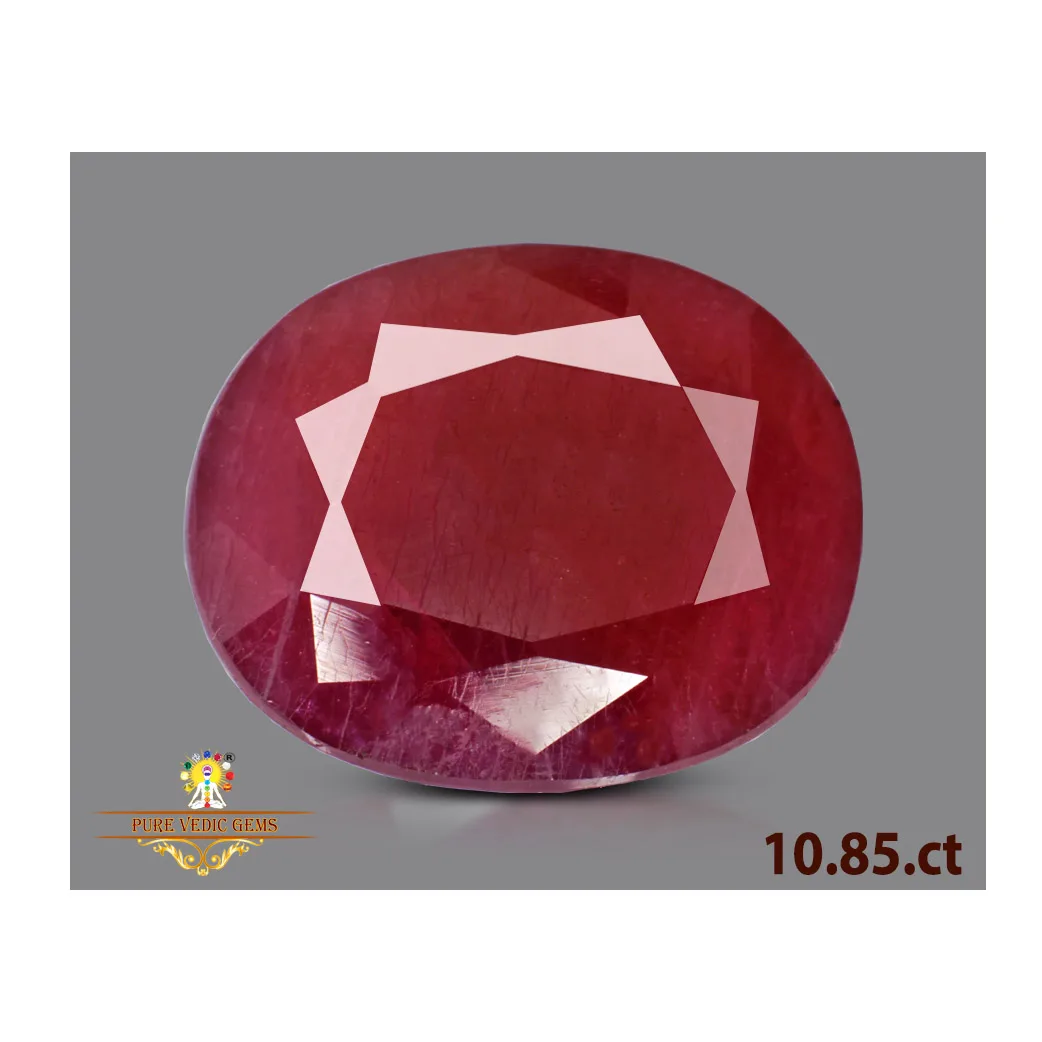
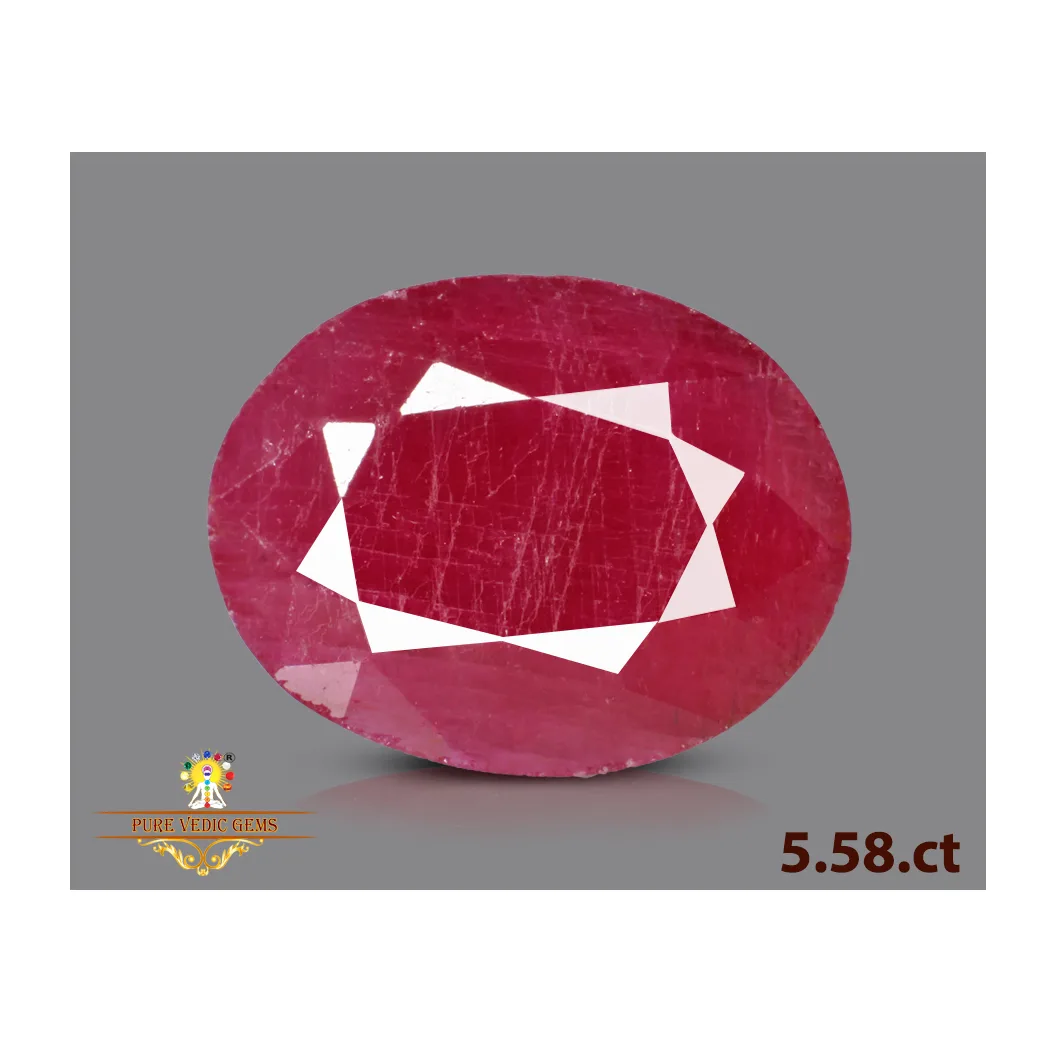
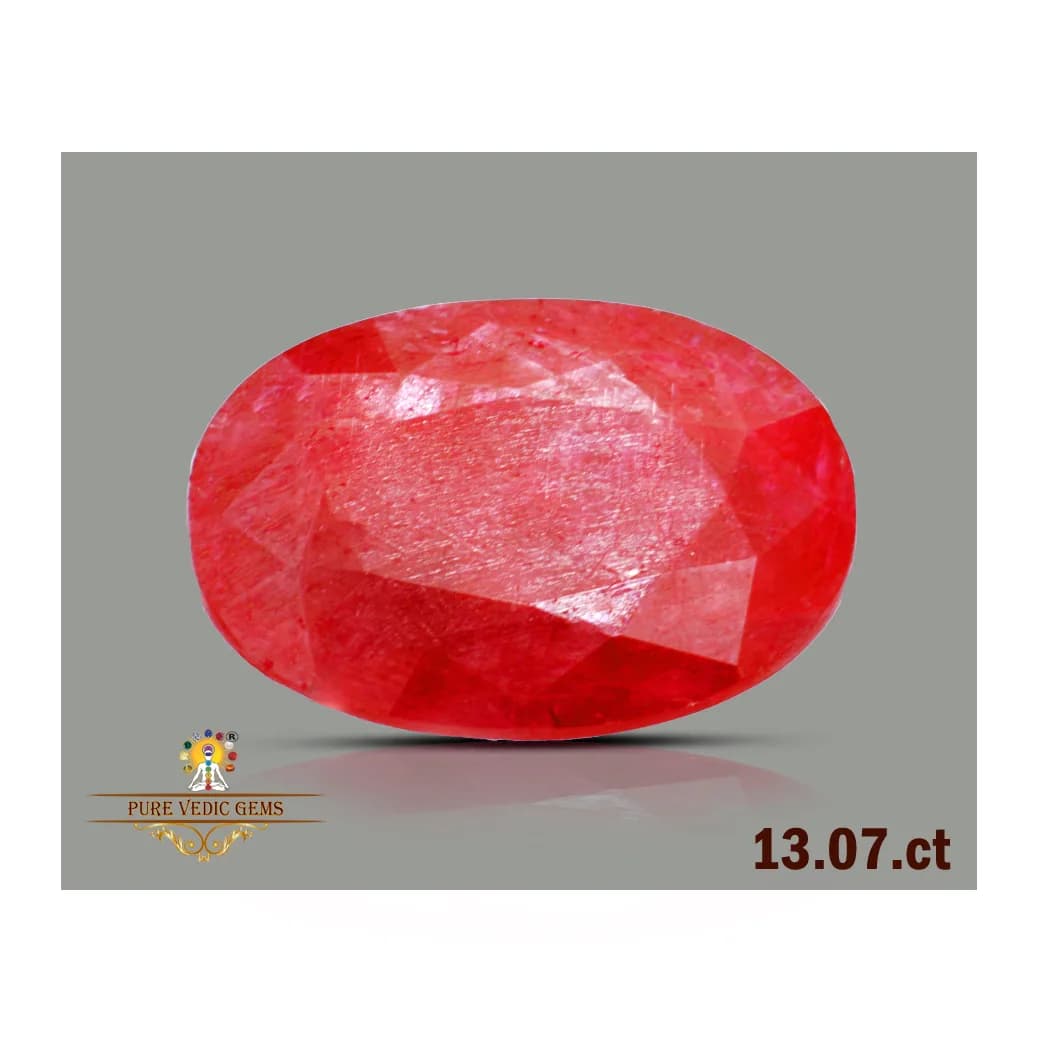
Ruby (Manik) is the radiant king of Navaratna gems, channeling the vital fire of Surya—the Sun.
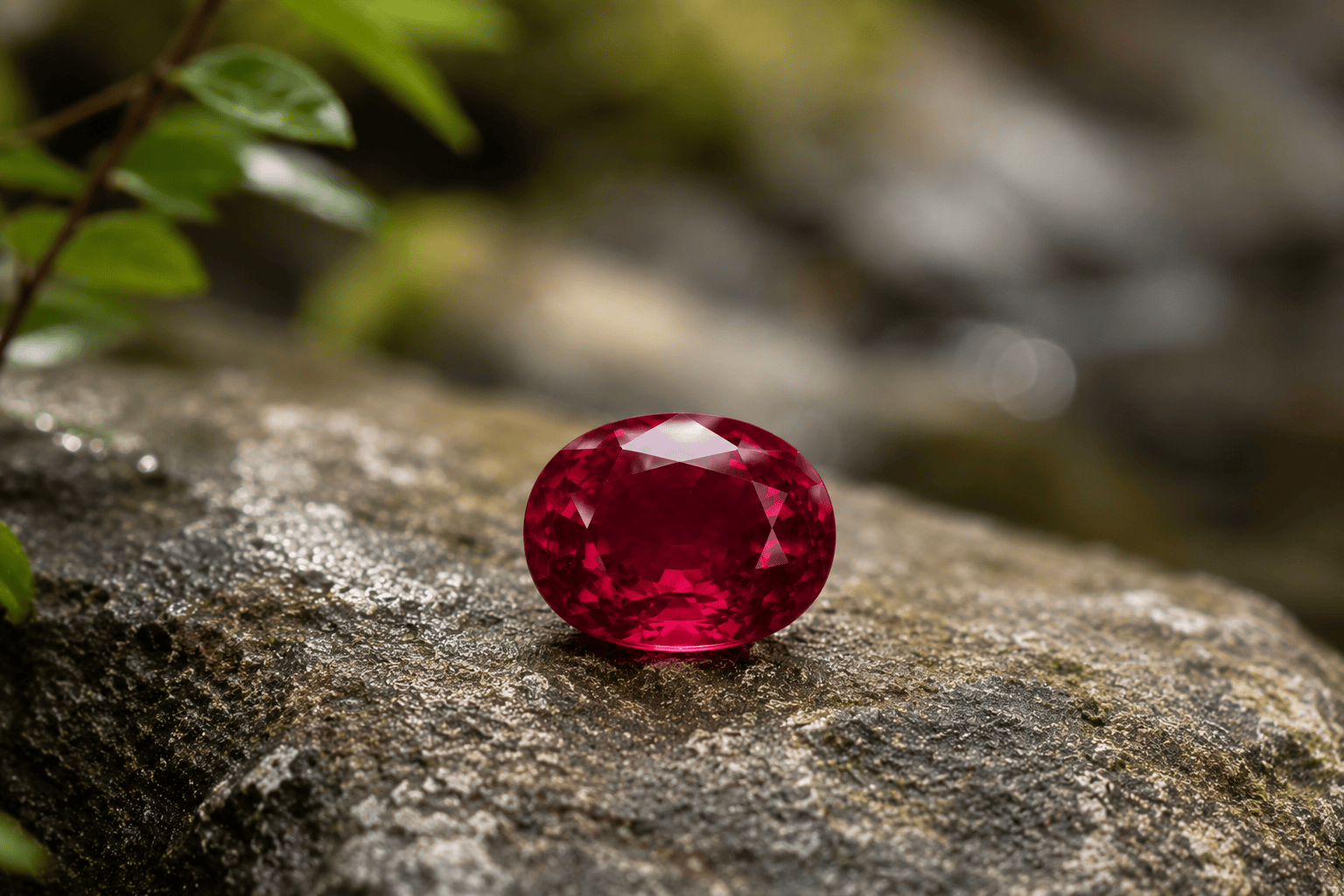
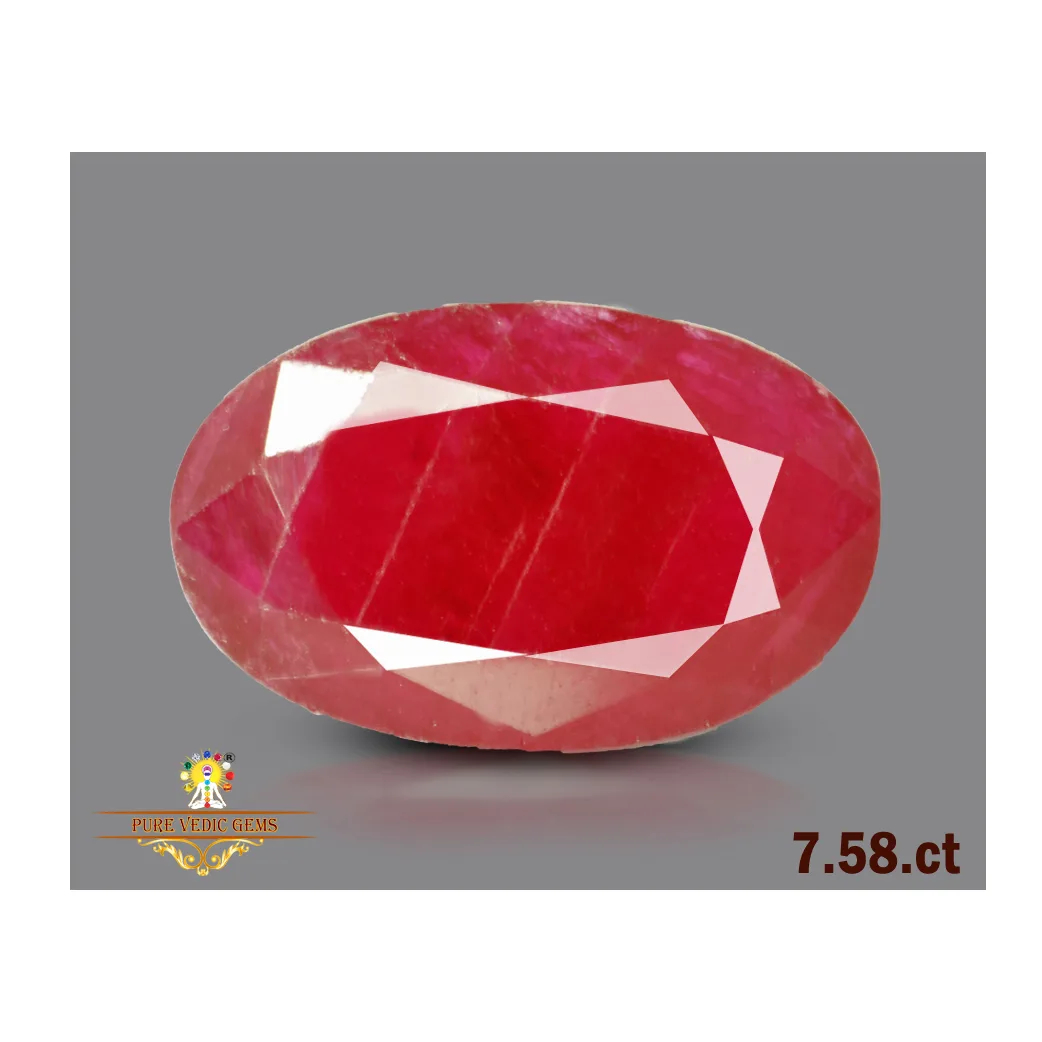
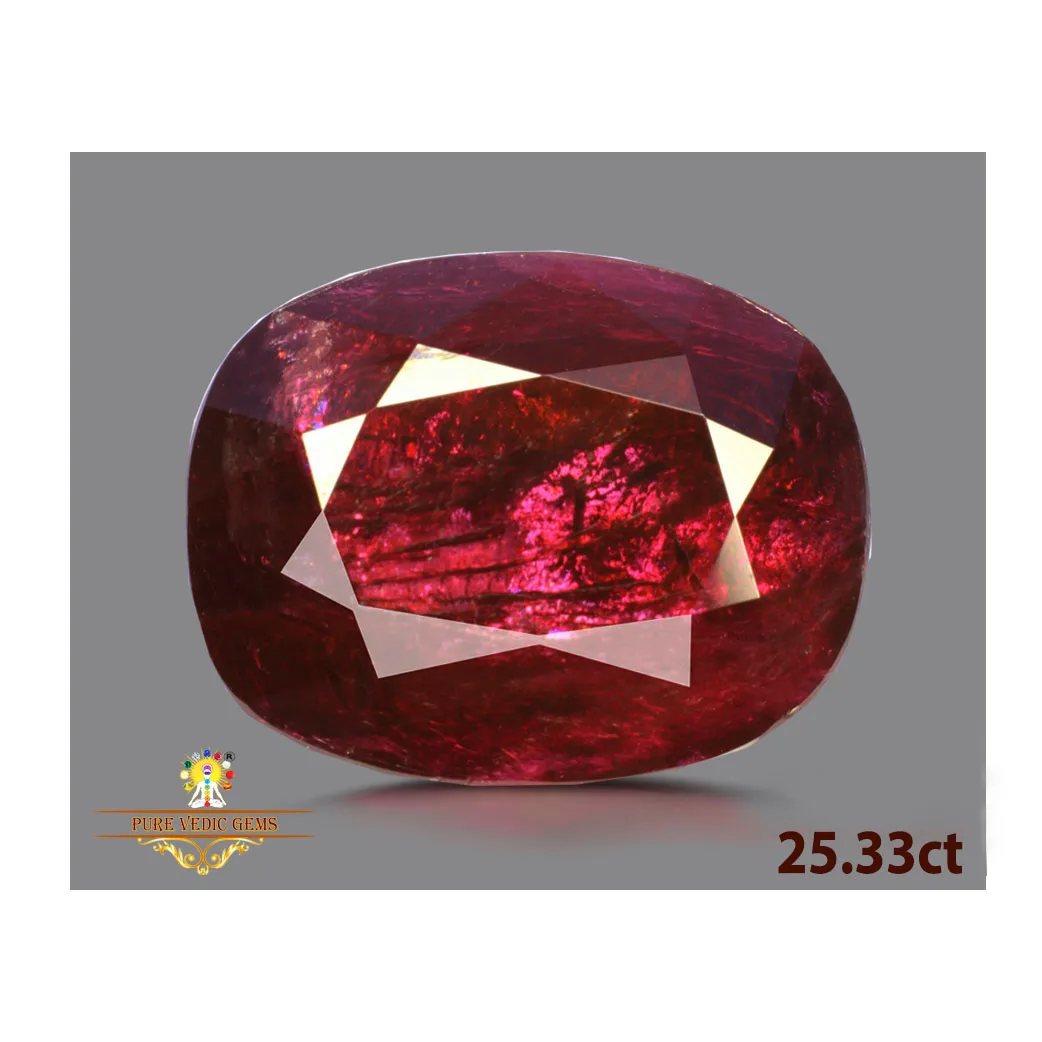
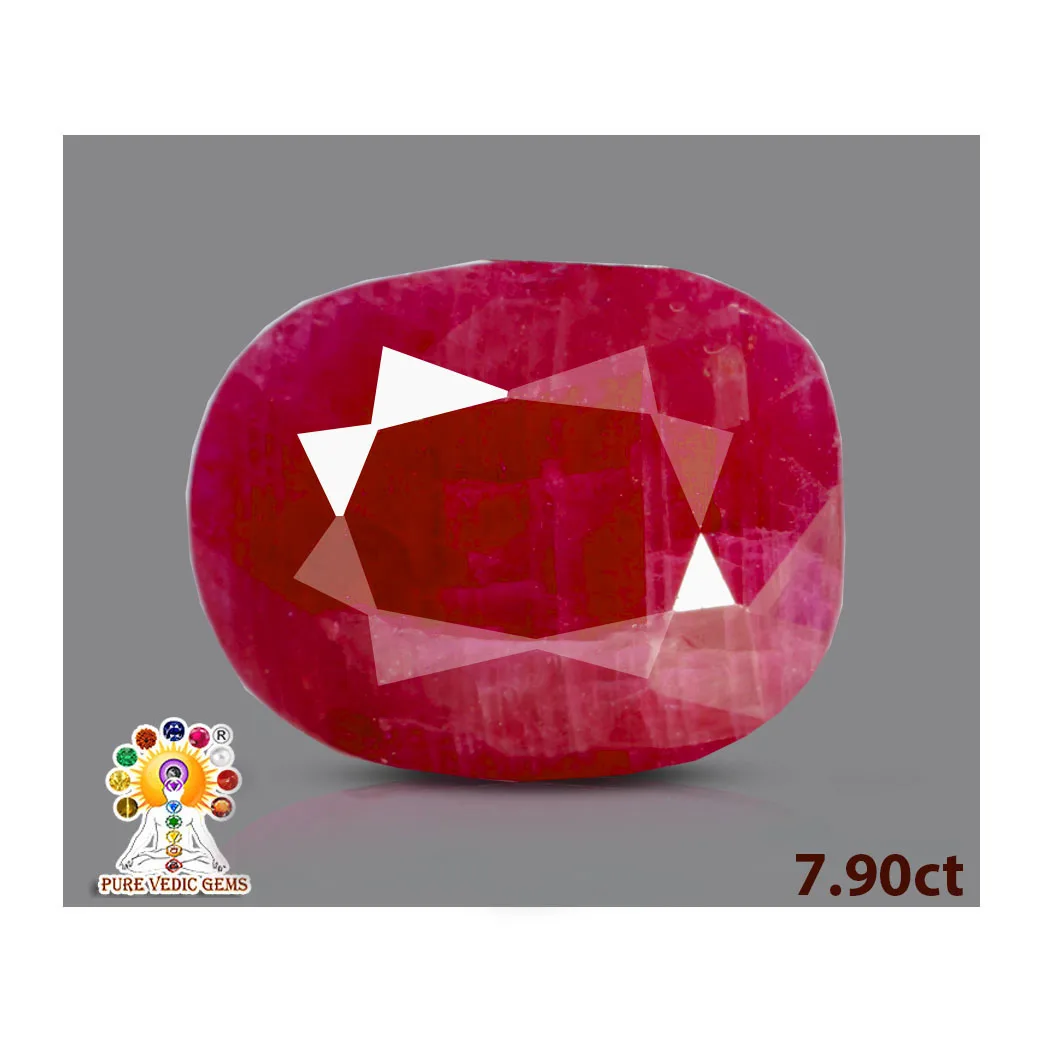
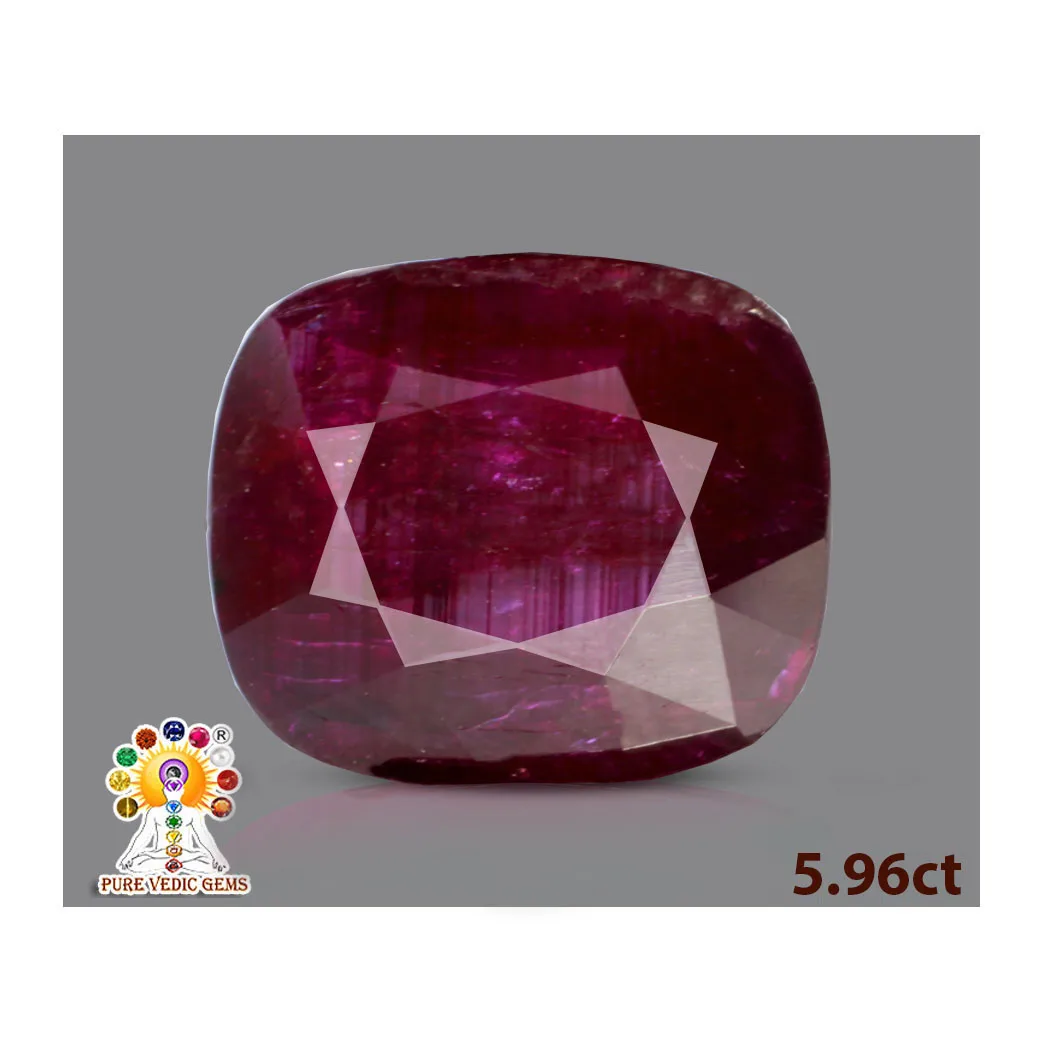
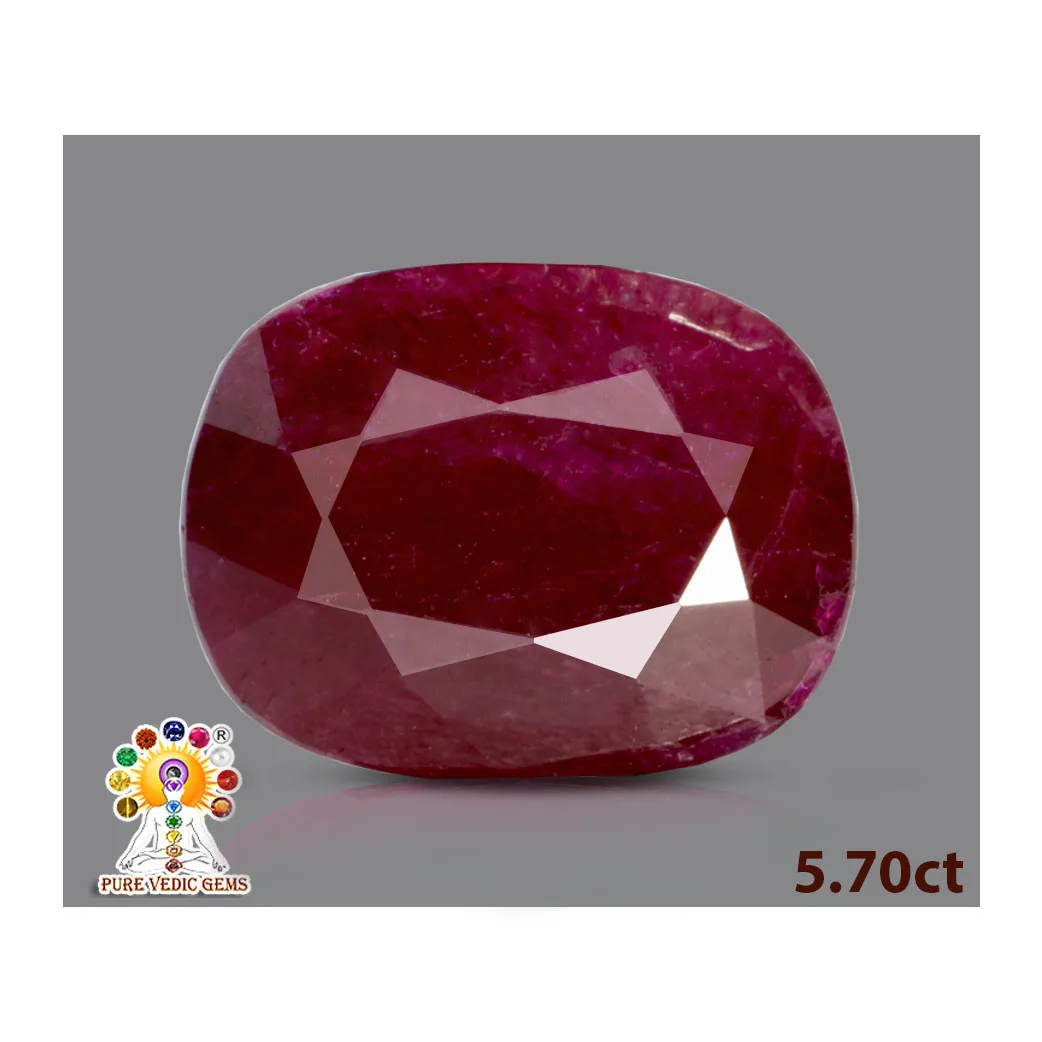
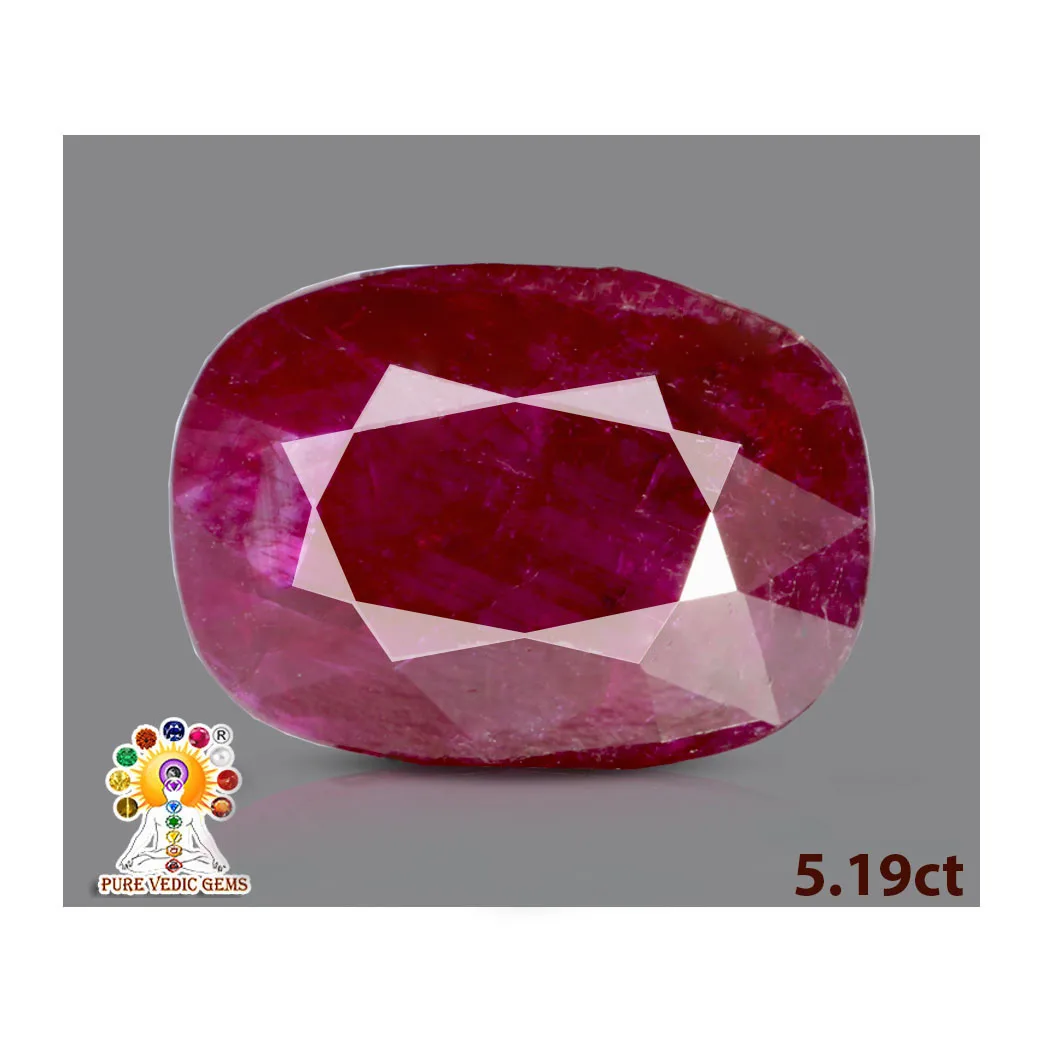
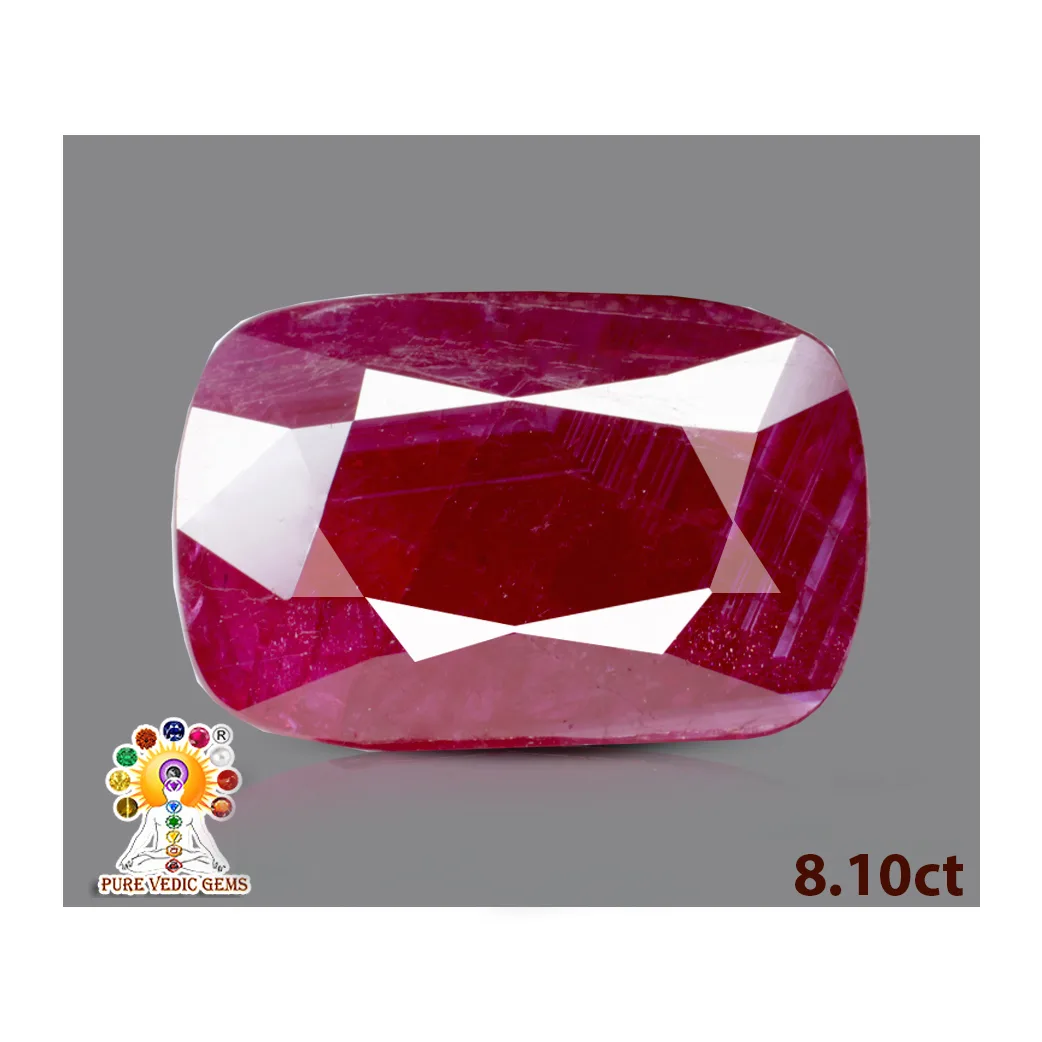
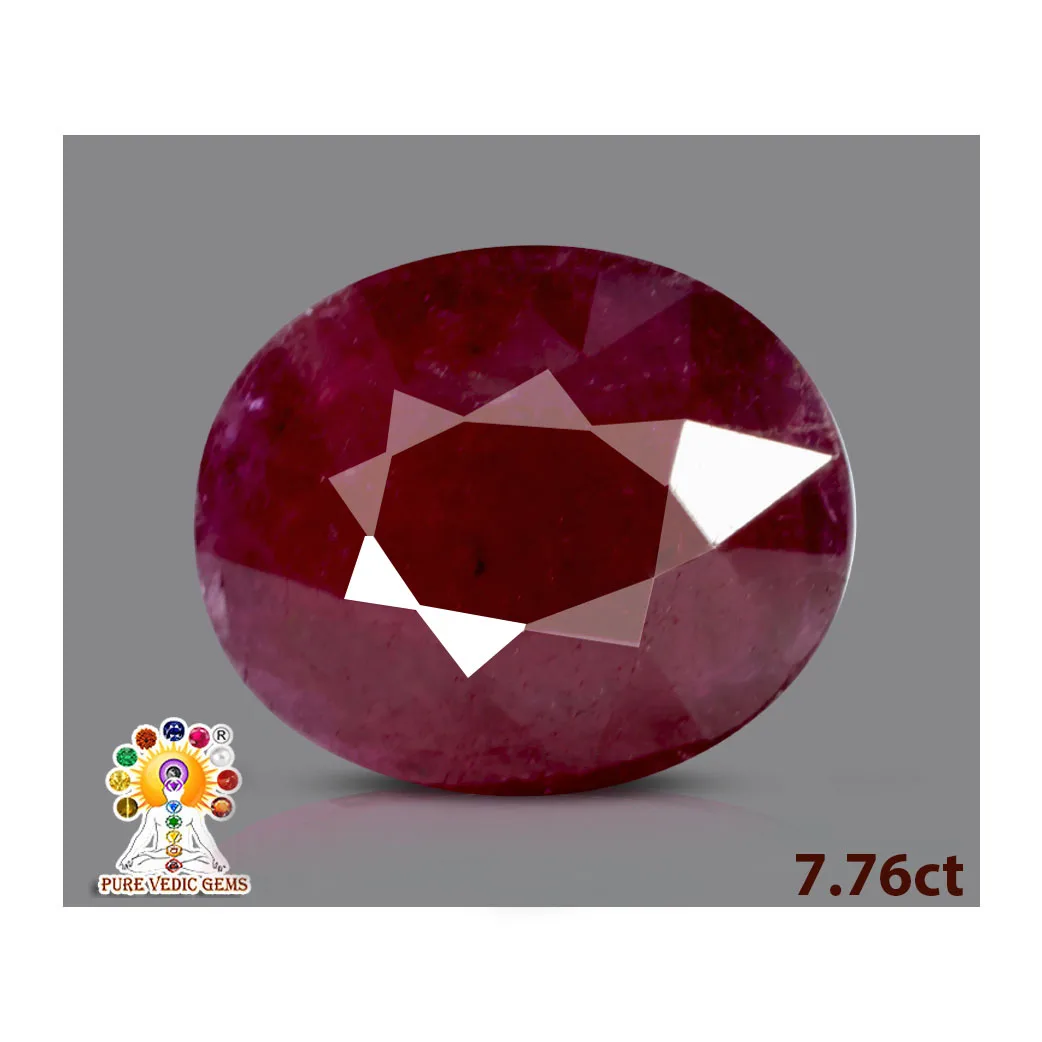
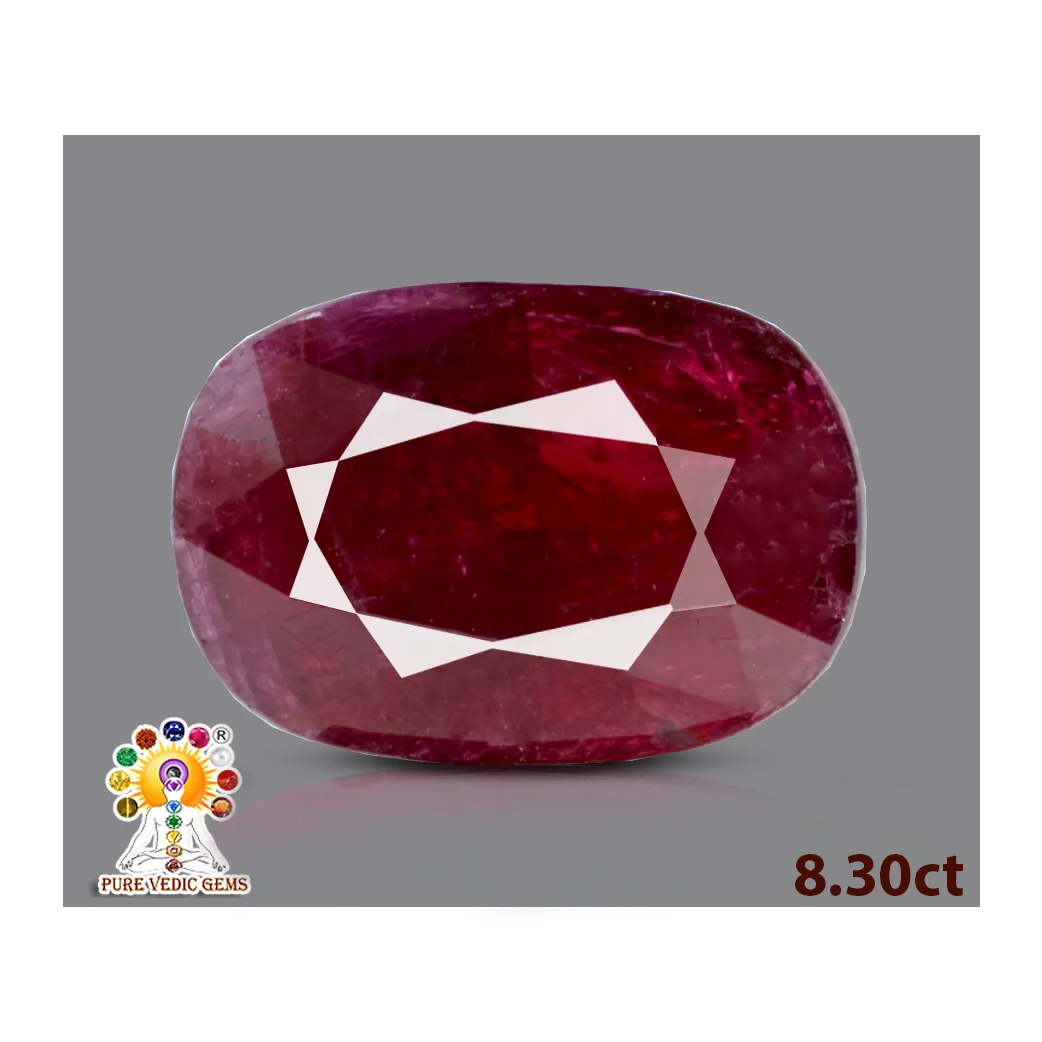
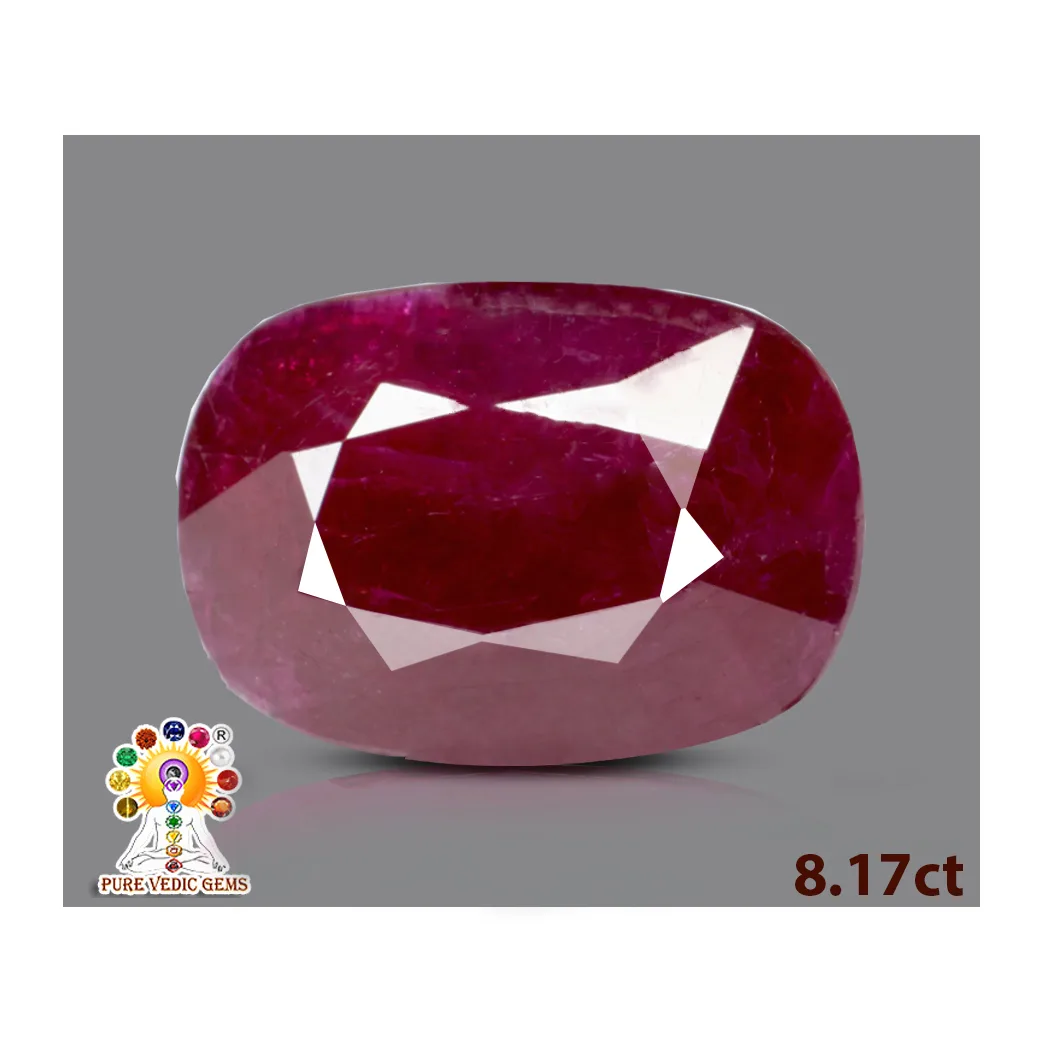
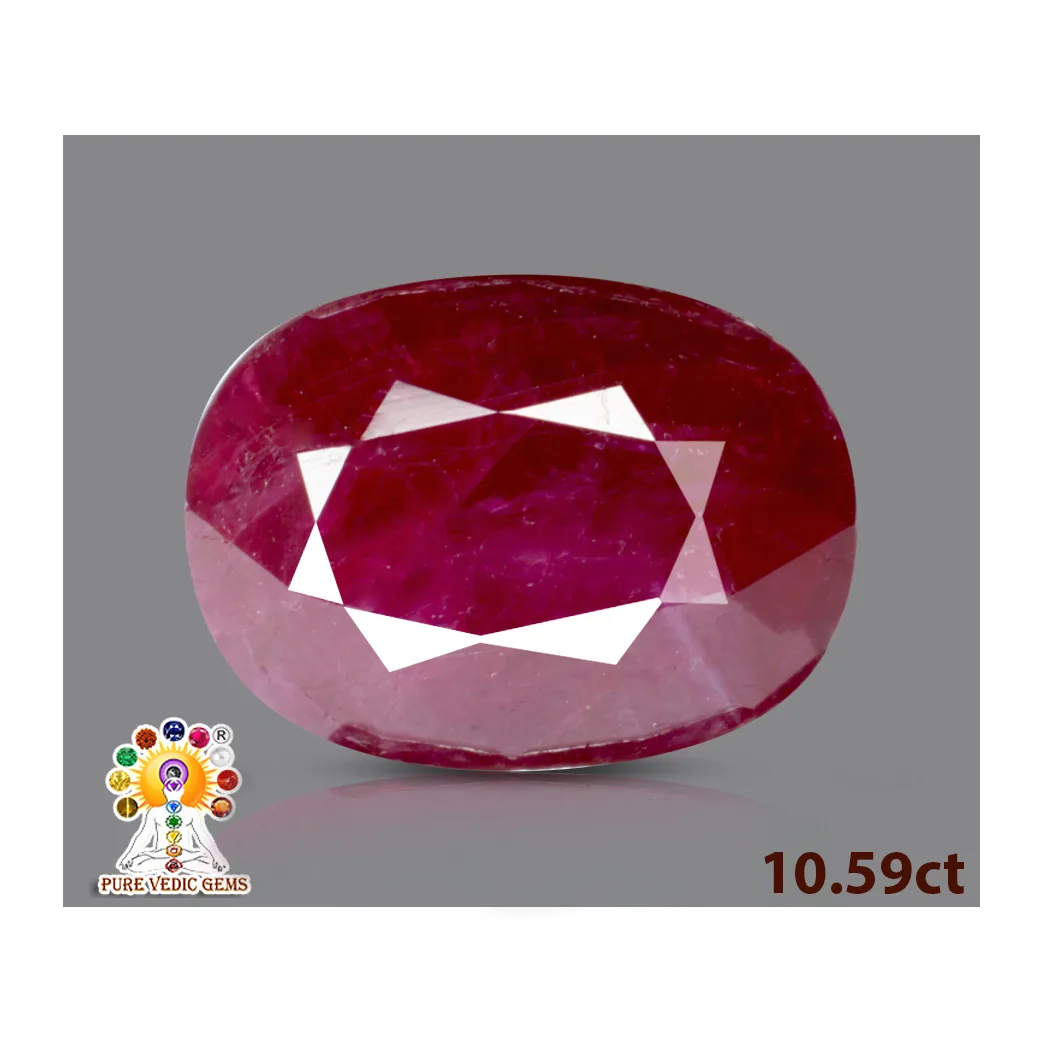
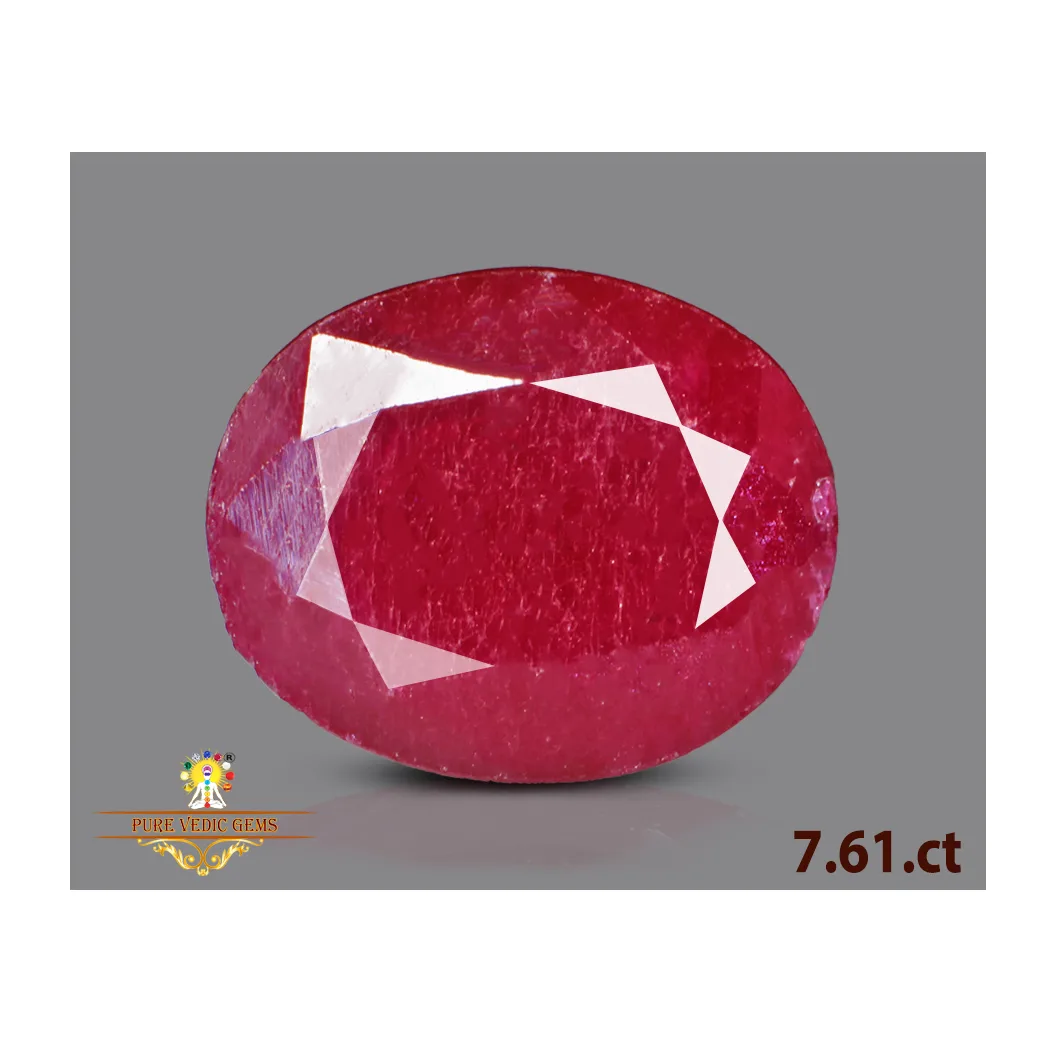
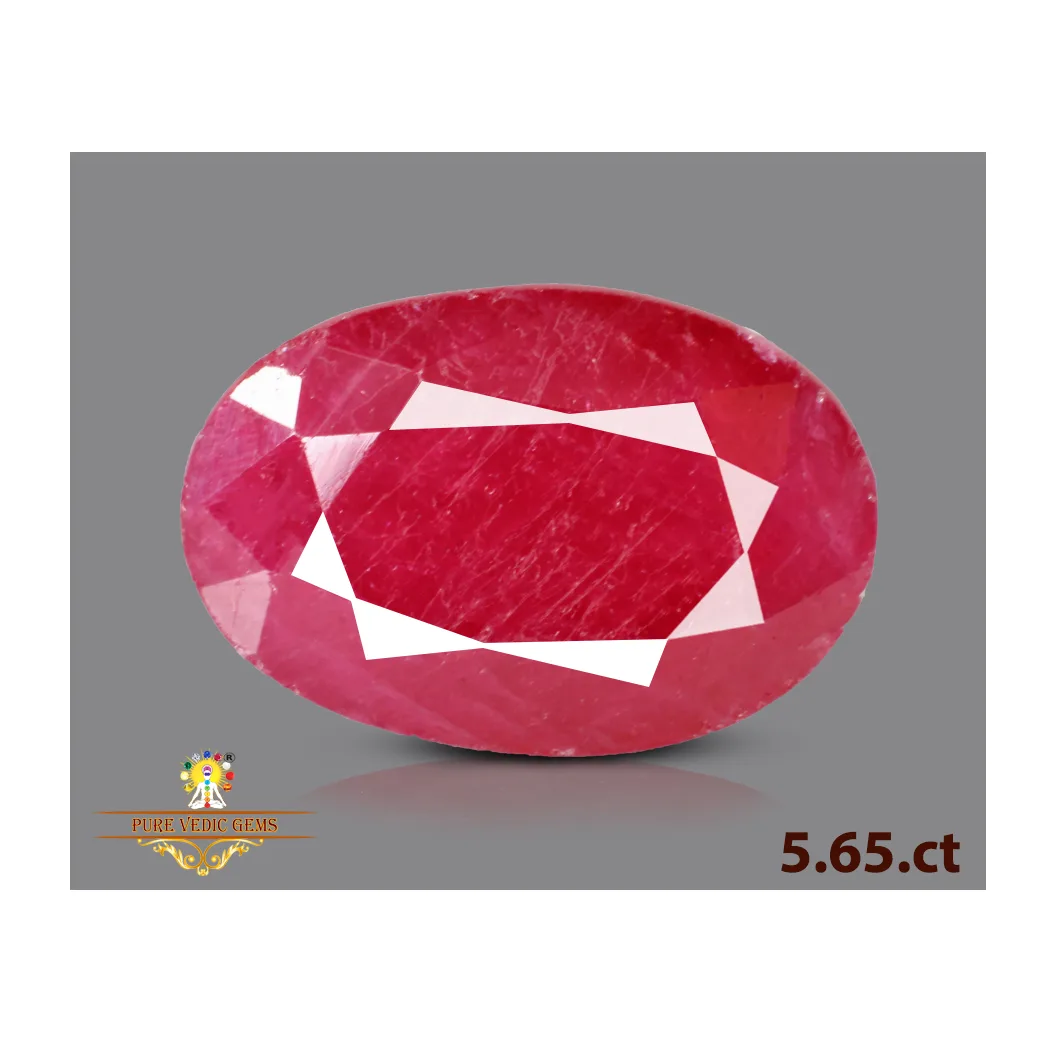
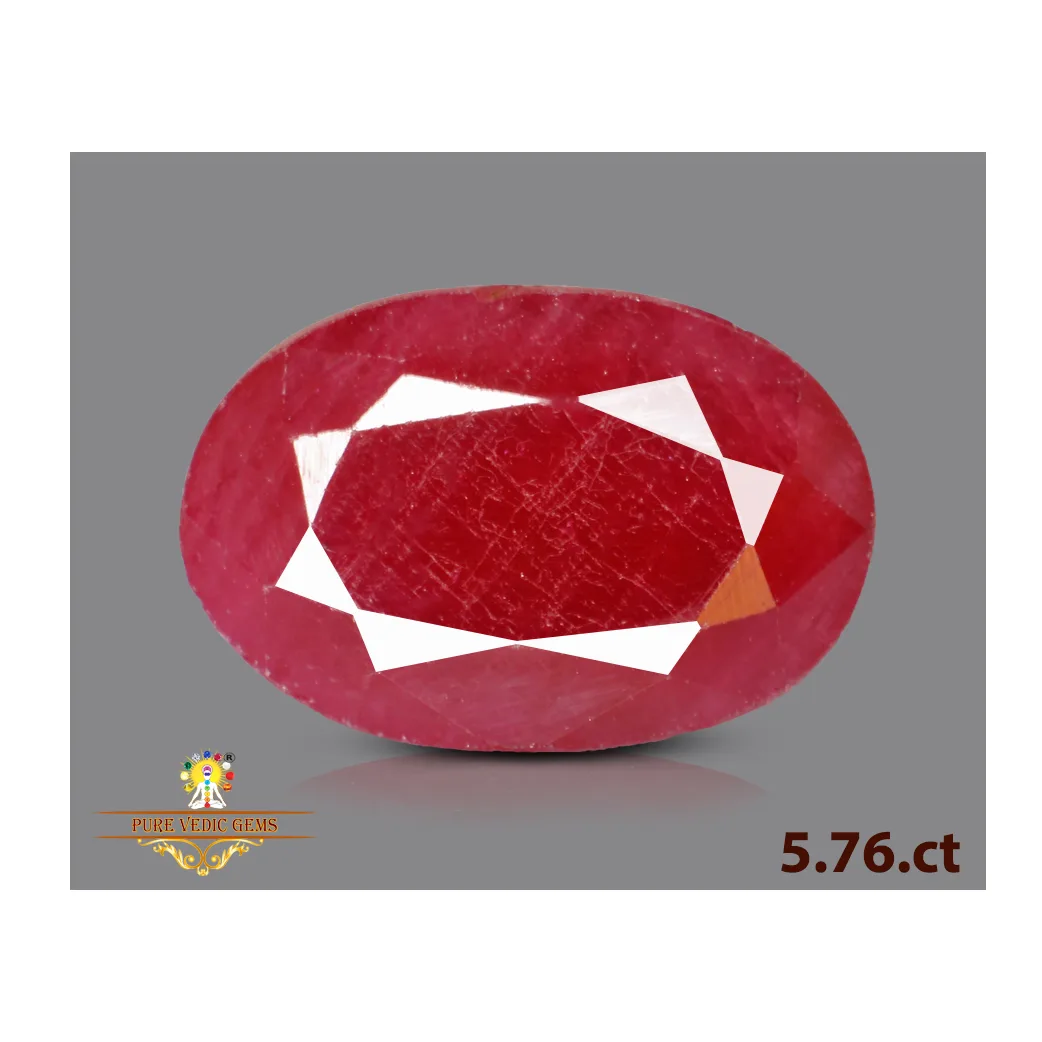
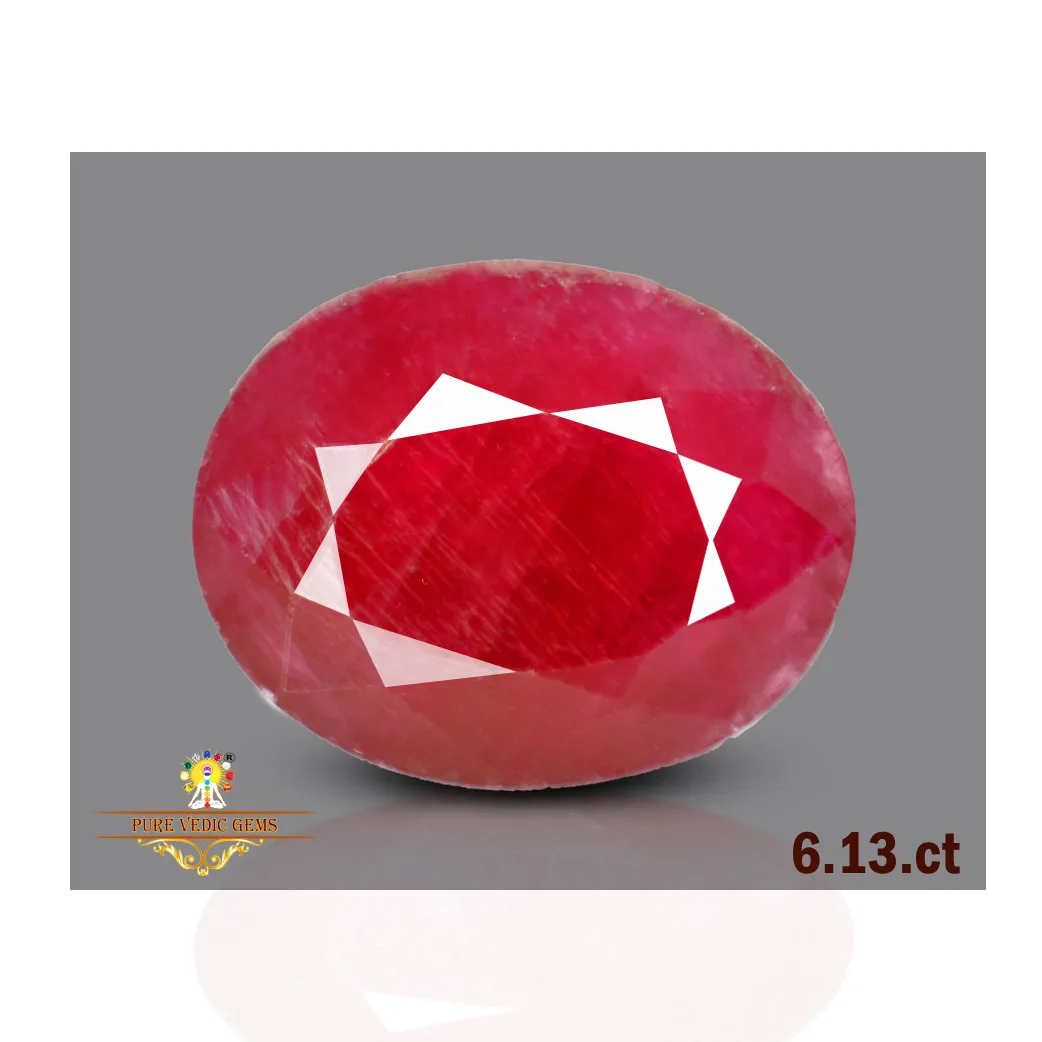
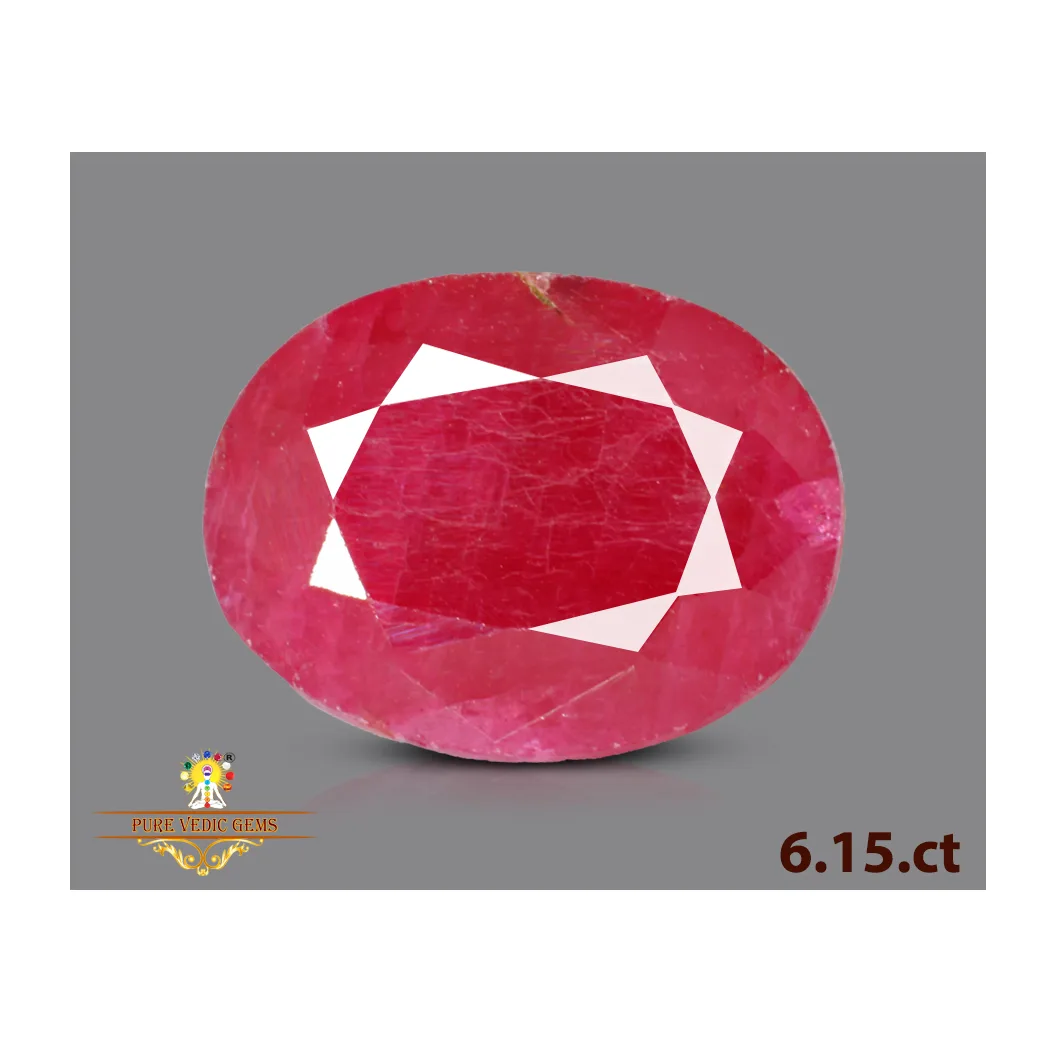
Ruby is the red variety of corundum, coloured by chromium. In Sanskrit it is called Manik or Manikya, and in classical Jyotish it is the primary ratna of Surya—the Sun, giver of prana, fame, and soul-purpose. A fine ruby displays a vivid red to slightly purplish-red hue with strong fluorescence under daylight.
The Navaratna tradition places ruby at the crown of the nine gems. Kings and rajas wore Manik not merely for ornament but to align the wearer with solar dignity, righteous authority, and clarity of vision. In the Garuda Purana and Agni Purana, ruby is described as a gem that dispels fear and attracts prosperity when worn with proper ritual.
Natural rubies form in metamorphic marble and basalt environments. Historically, the Mogok Valley of Burma (Myanmar) produced the finest "pigeon blood" rubies with exceptional saturation and silk inclusions that soften the colour. Mozambique, Sri Lanka (Ceylon), Thailand, Madagascar, and Tanzania are also significant sources.
Heat treatment is widespread in the trade; unheated rubies command premium prices. Lead-glass filling and synthetic flux-grown rubies are common imitations—certification from a reputable lab is essential before astrological use.
Surya governs the soul (atma), father, government, bones, eyes, and the right side of the body. When Surya is weak or afflicted in a birth chart, a natural ruby may be prescribed to strengthen solar qualities. Ruby is especially associated with Leo (Simha) rashi and is considered favourable for Krittika, Uttara Phalguni, and Uttara Ashadha nakshatras.
PureVedicGems recommends chart analysis before wearing Manik, as an overly strong Sun in certain houses can also create arrogance or ego clashes. The gem should touch skin and be free of major fractures or windowing that weakens its energetic field.
Traditional texts favour a deep, lustrous red—neither too dark nor pinkish. Transparency should be good enough that light passes through the stone; heavily included rubies may be beautiful but are less ideal for ratna therapy. Size matters: classical proportion is roughly one carat per 10–12 kg of body weight, though your astrologer may adjust this.
| Weight | 3–7 carats (≈1 carat per 10–12 kg body weight; confirm with Jyotish) |
| Metal | Yellow gold or Panchdhatu (five-metal alloy) |
| Finger | Ring finger of the right hand |
| Day | Sunday (Ravivar) |
| Time | Sunrise during Shukla Paksha (waxing moon), ideally in Surya hora |
| Mantra | Chant "Om Suryaya Namah" or "Om Hring Hamsah Suryaye Namah" 108 times |
| Purification | Soak in raw milk, honey, and Gangajal for 20–30 minutes; offer red flowers and light a ghee lamp before first wear |
Ruby benefits those with a weak, debilitated, or combust Sun, or when Surya is the lord of favourable houses (especially the 1st, 5th, 9th, or 10th). Leo ascendants and Sun mahadasha periods often respond well. Krittika, Uttara Phalguni, and Uttara Ashadha natives frequently wear Manik under guidance.
Avoid ruby without consultation if Surya is already exalted and strongly placed, if you are in Sade Sati without Shani approval, or if your astrologer sees Sun–Saturn or Sun–Rahu conflicts that ruby could aggravate. Pregnant women and those with extreme hypertension should seek medical and astrological counsel first.
A qualified Jyotishi examines your lagna, dasha, and transits before prescribing Manik. PureVedicGems offers consultation support so your ruby matches your chart—not a generic recommendation.
Ruby is the gemstone of kingship and executive command. It supports promotions, entrepreneurship, politics, medicine, and any field requiring visible leadership. Wearers often report improved recognition from seniors and the confidence to take calculated risks.
In Ayurvedic–astrological correlation, Surya rules the heart, spine, eyes, and general immunity. Ruby is traditionally worn to address low energy, poor circulation, and chronic lethargy. It is not a substitute for medical care but is believed to reinforce pranic strength.
A balanced Sun improves relations with the father and paternal figures, and fosters integrity in partnerships. Ruby can help those who struggle with self-worth in marriage or who need to assert healthy boundaries without aggression.
Surya is the visible deity of truth and self-knowledge. Meditating on the Sun mantra while wearing Manik is said to burn tamasic tendencies and align the wearer with dharma. Many seekers pair ruby with Surya Namaskar and Sunday fasting.
Classical texts associate ruby with gold, landed property, and sustained wealth when earned through righteous means. It is favoured during periods when the 2nd, 9th, or 11th lords connect favourably with Surya.
Pigeon blood red (Burma), vivid red (Mozambique), pinkish-red (Ceylon), and star ruby (asterism from rutile silk) are the main categories. Star rubies are ornamental; transparent faceted stones are preferred for Jyotish.
Unheated natural ruby is the gold standard for astrology. Heat-only treatment is accepted by some astrologers if disclosed; lead-glass filling, diffusion, and synthetics must be avoided. Always request a certificate stating treatment status.
Ruby pricing depends on colour saturation, clarity, carat weight, origin, and treatment. Unheated Burma rubies sit at collector premiums; fine Mozambique rubies offer strong colour at mid-to-high tiers. Entry-level commercial rubies with visible inclusions cost far less but may lack the lustre Jyotish demands.
Reputable labs (GIA, GRS, Gubelin, SSEF, IGI) should state whether the stone is natural corundum, its origin when determinable, and any treatment. Insist on "no indications of heating" for premium astrological use.
Expect entry-level treated rubies from modest budgets, mid-range fine commercial stones, and premium unheated collector grades reaching significant five- and six-figure investments per carat for top Burma material. Budget proportionally to your chart needs and wear frequency.
Ruby rings in 18K or 22K gold are the classic Jyotish setting, with the stone in an open-back bezel so it touches skin. Pendants over the heart centre are an alternative when ring wear is impractical.
Ruby bracelets are worn less commonly for primary Surya therapy but suit those who cannot wear rings. Ensure the largest ruby in a Navaratna bracelet sits prominently. Pendants should hang at the anahata (heart) region.
Clean with lukewarm water, mild soap, and a soft brush. Rinse and pat dry. Avoid ultrasonic cleaners if the stone has fractures or lead-glass filling.
Store separately—ruby (9 on Mohs scale) can scratch softer gems. Wrap in a soft cloth away from direct sunlight for prolonged storage.
Re-charge on Sundays with Surya mantra, Gangajal rinse, and brief sun exposure at sunrise (avoid overheating treated stones).
Check prongs every 6–12 months. A loose ruby in a ring can chip at the girdle.
The ruby market is flooded with synthetics (Verneuil flame-fusion, flux, hydrothermal) and glass-filled low-grade corundum. Pink sapphires and red spinels are sometimes sold as ruby.
PureVedicGems discloses origin, treatment, and Jyotish suitability on every Manik listing. Buy only from sellers who welcome third-party lab checks.
Traditionally, ruby is worn on the ring finger of the right hand in gold, set so the stone touches the skin. Left-hand wear is sometimes used in specific traditions—confirm with your astrologer.
Sun and Saturn are natural adversaries in Jyotish. Wearing ruby and neelam together is generally discouraged unless a qualified astrologer prescribes a specific combination for your chart.
Opinions vary. Many Jyotish practitioners prefer unheated natural ruby. Heat-only treatment without fillers may be acceptable if disclosed; glass-filled stones should never be used as Manik.
Classical guidance is about one carat per 10–12 kg of body weight. A 60 kg adult often starts around 5 carats, but your astrologer may recommend 3–7 carats based on dasha and affordability.
Burma and Mozambique produce the finest reds. Origin matters less than colour, clarity, naturalness, and proper energisation. A vivid unheated Mozambique ruby often outperforms a poor Burma stone.
Begin on a Sunday morning during Shukla Paksha after purification and 108 Surya mantras. Avoid starting during eclipse periods or without chart approval.
Ruby is traditionally linked to Surya, which governs authority and government. Many wearers in public service report improved recognition, though results depend on the full chart and effort.
Request a certificate from GIA, GRS, or similar. Check for natural inclusions, correct refractive index (~1.76–1.77), and absence of glass-filled flash effects. Reputable sellers welcome re-certification.