 +91-9310172512
 +44-7831491778
 +971-526686526
Curating certified treasures
India UK UAE
+91-9310172512+44-7831491778+971-526686526 India UK UAE+91-9310172512+44-7831491778+971-526686526 India UK UAE
Curating certified treasures
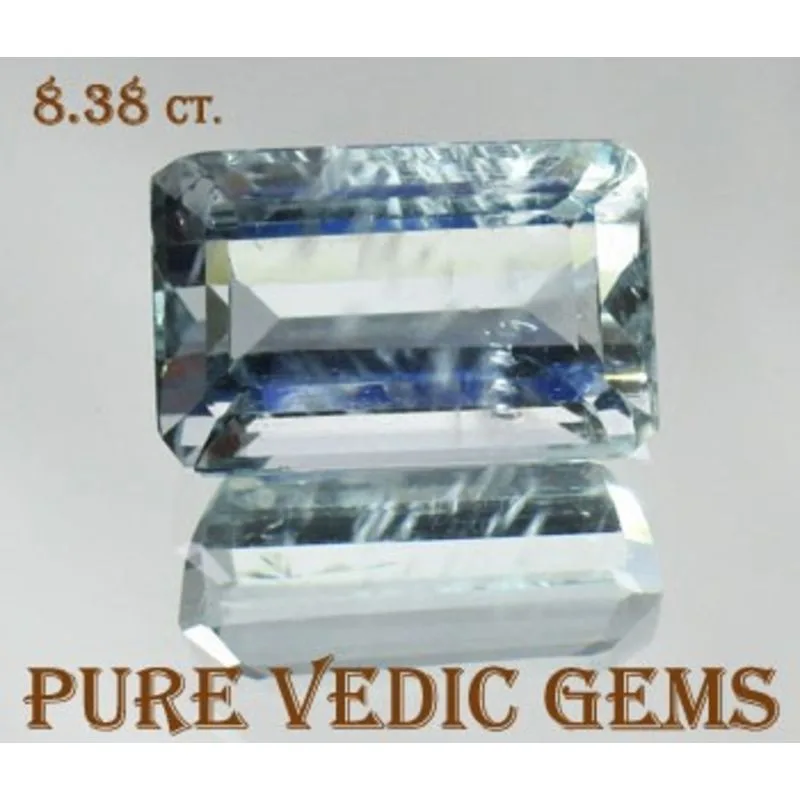
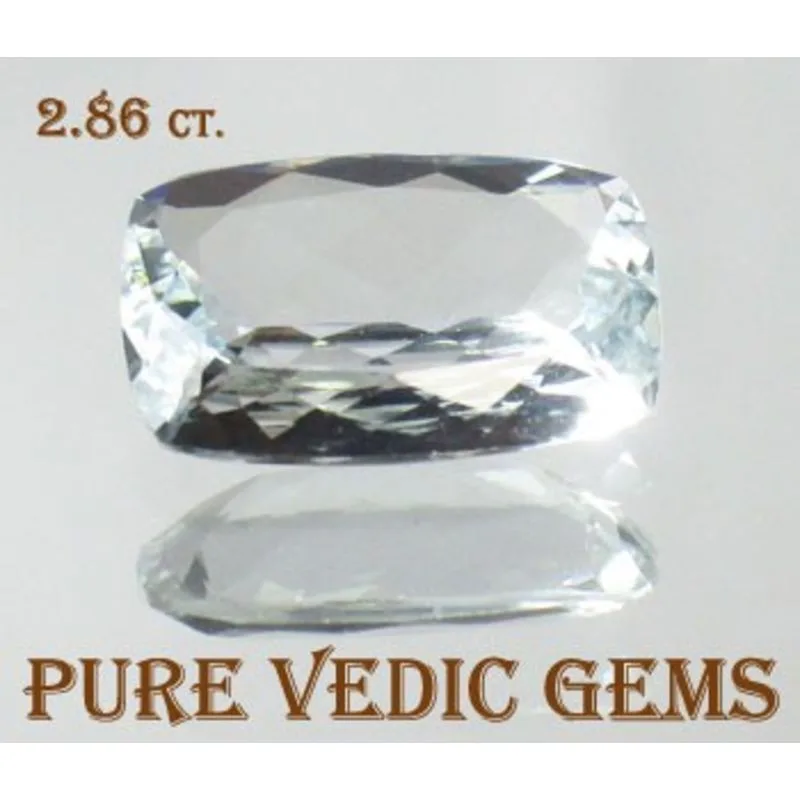
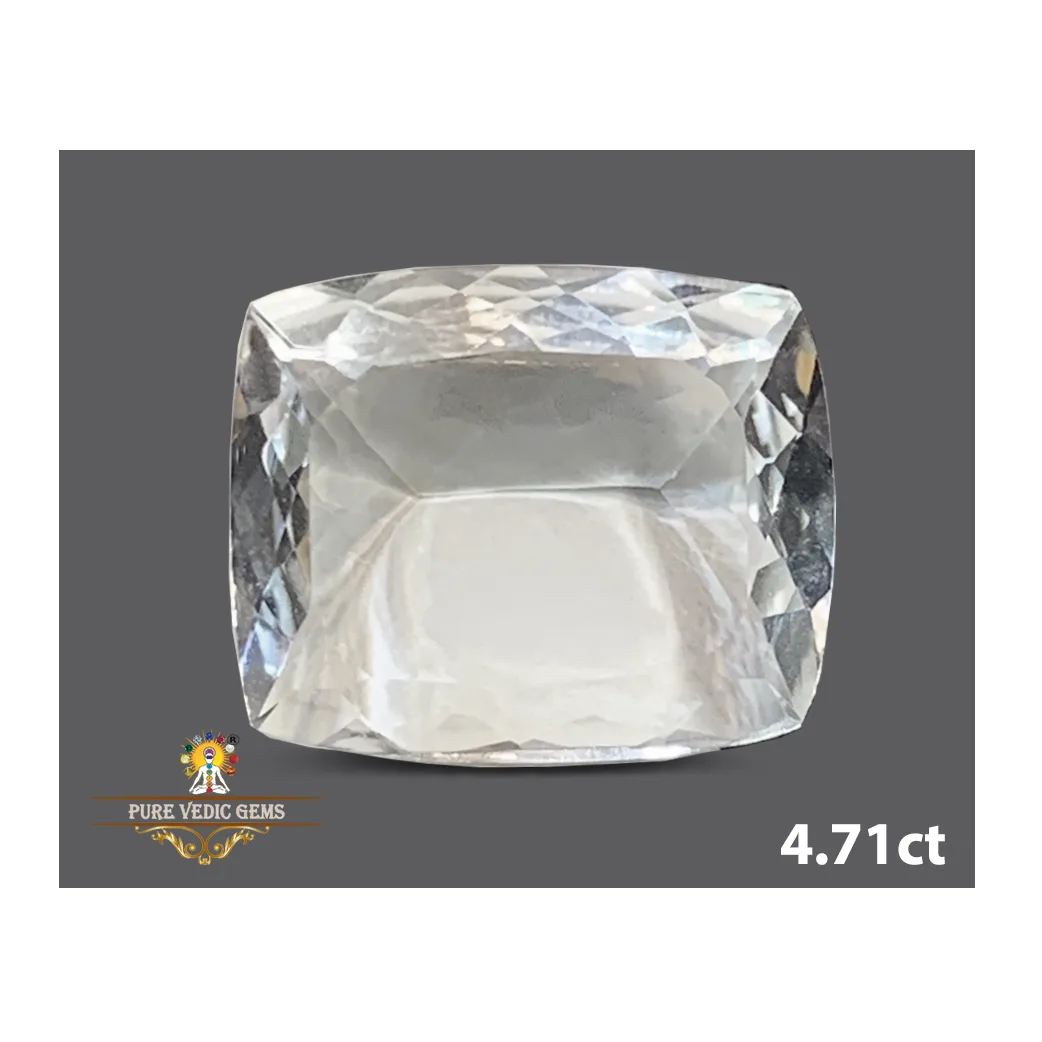
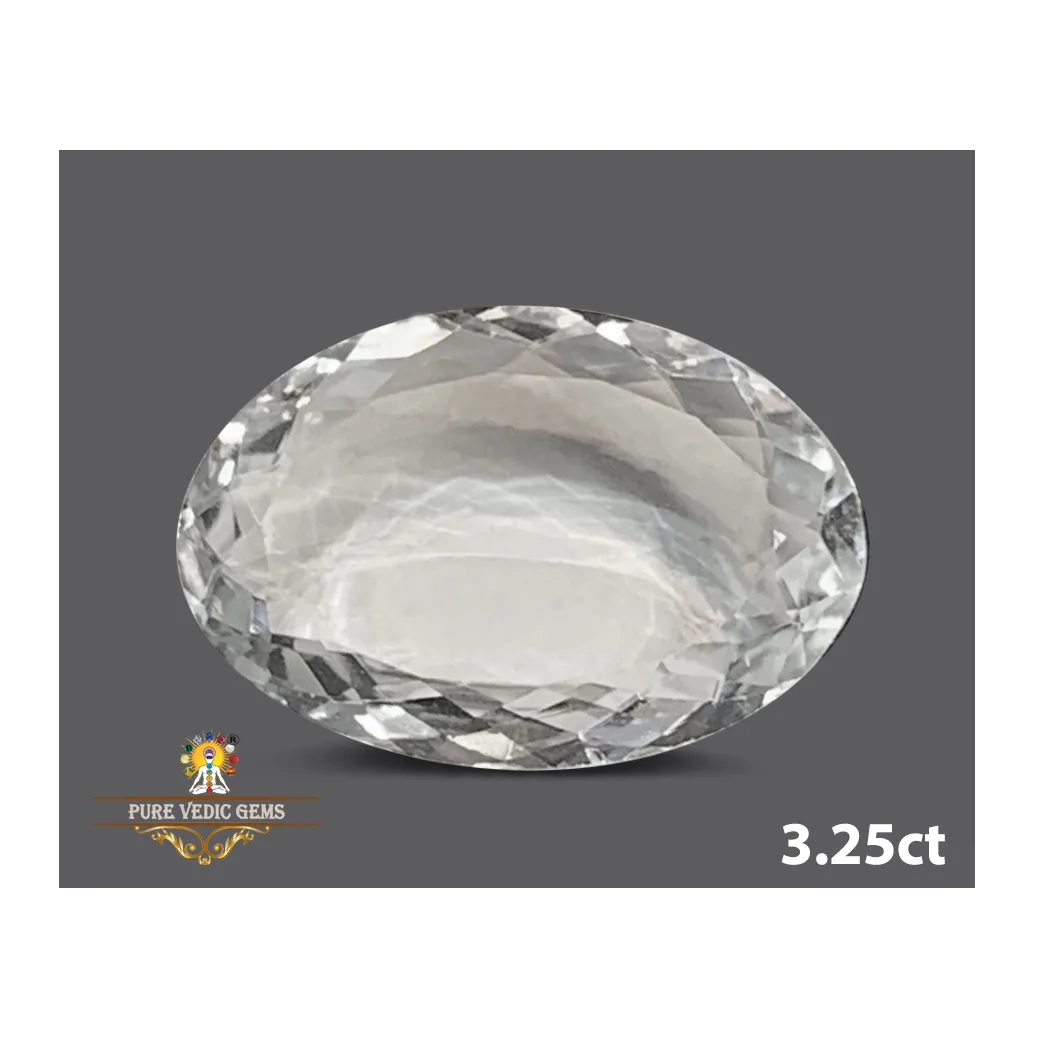
Aquamarine — Beruj — is a sea-blue beryl valued as a cooling Mercury upratna and a serene alternative to Emerald when lighter blue-green to…
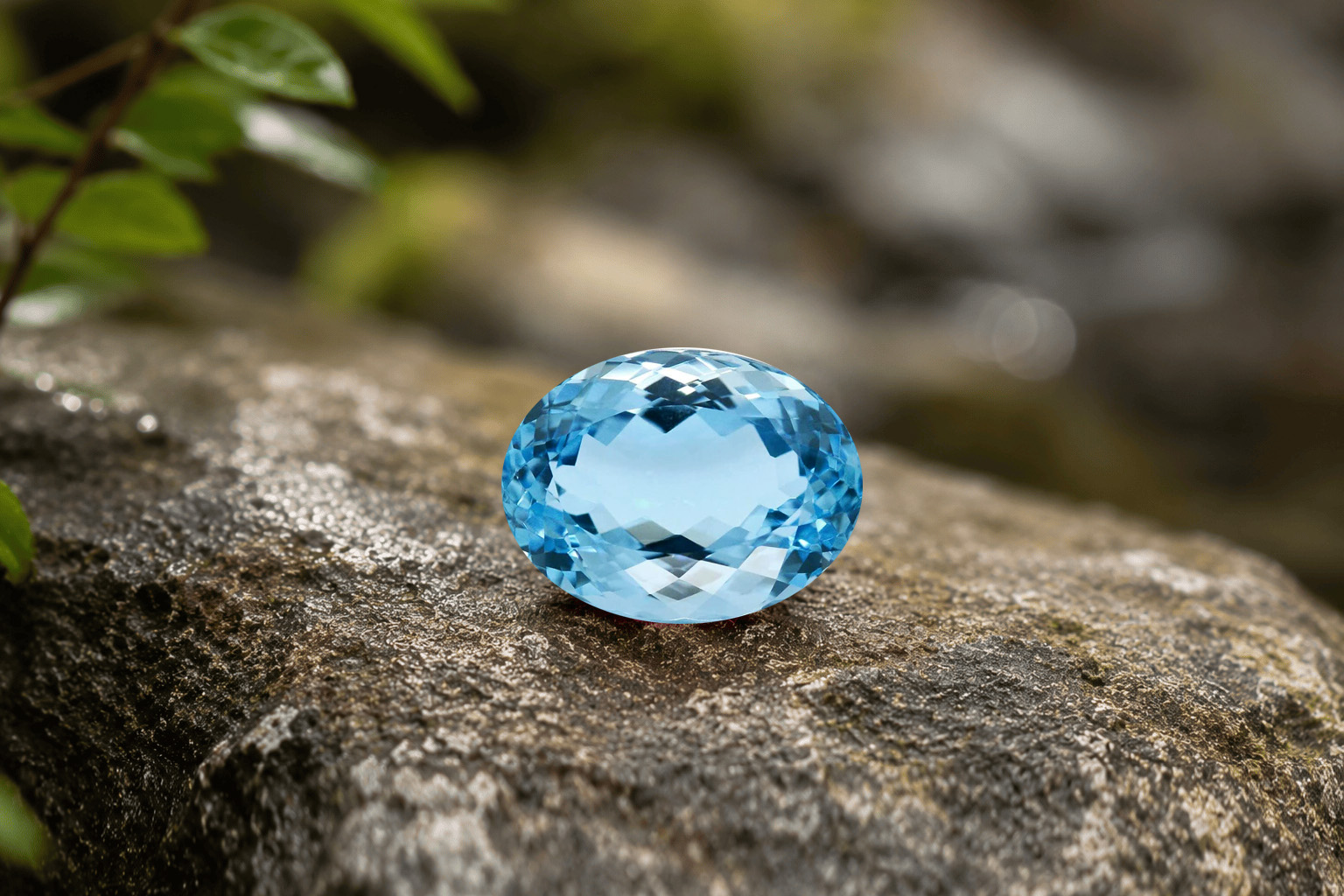
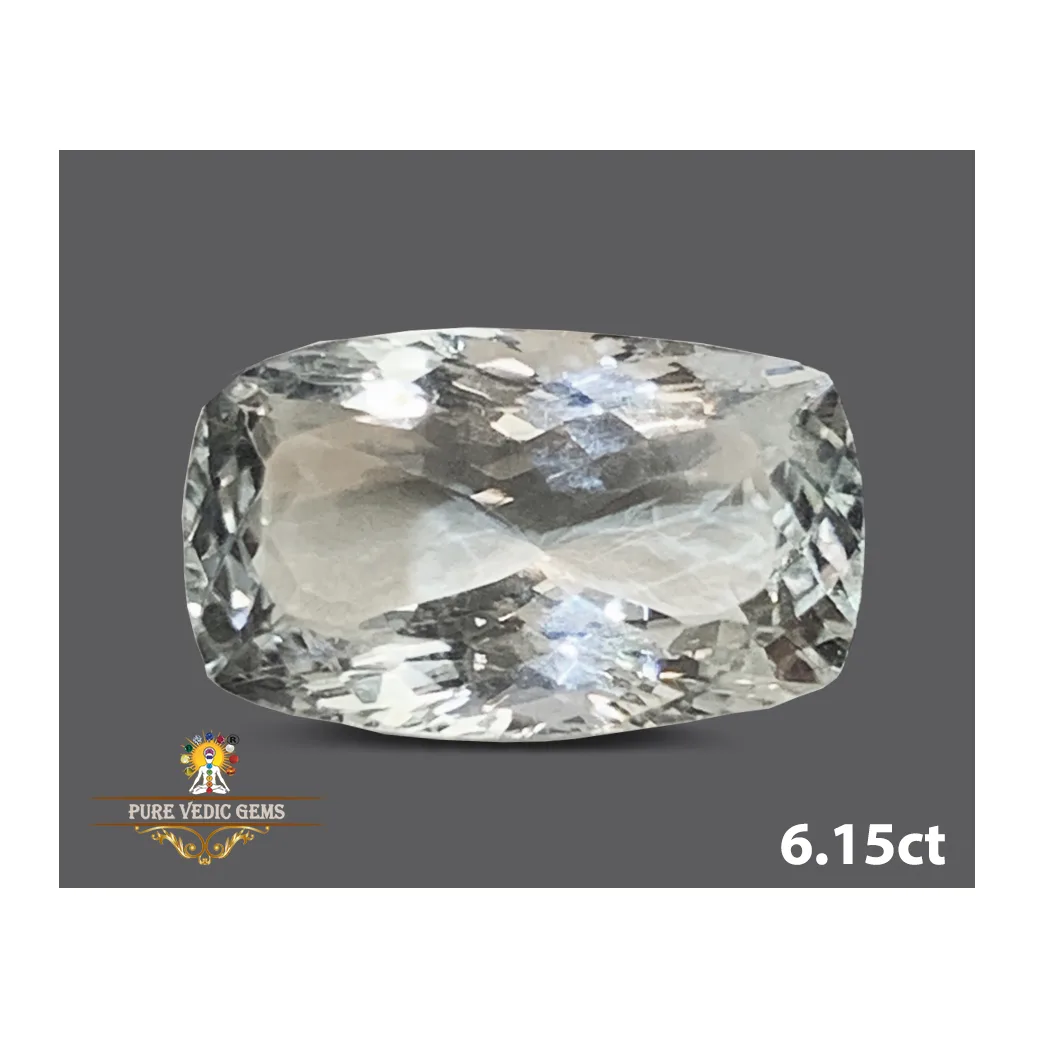
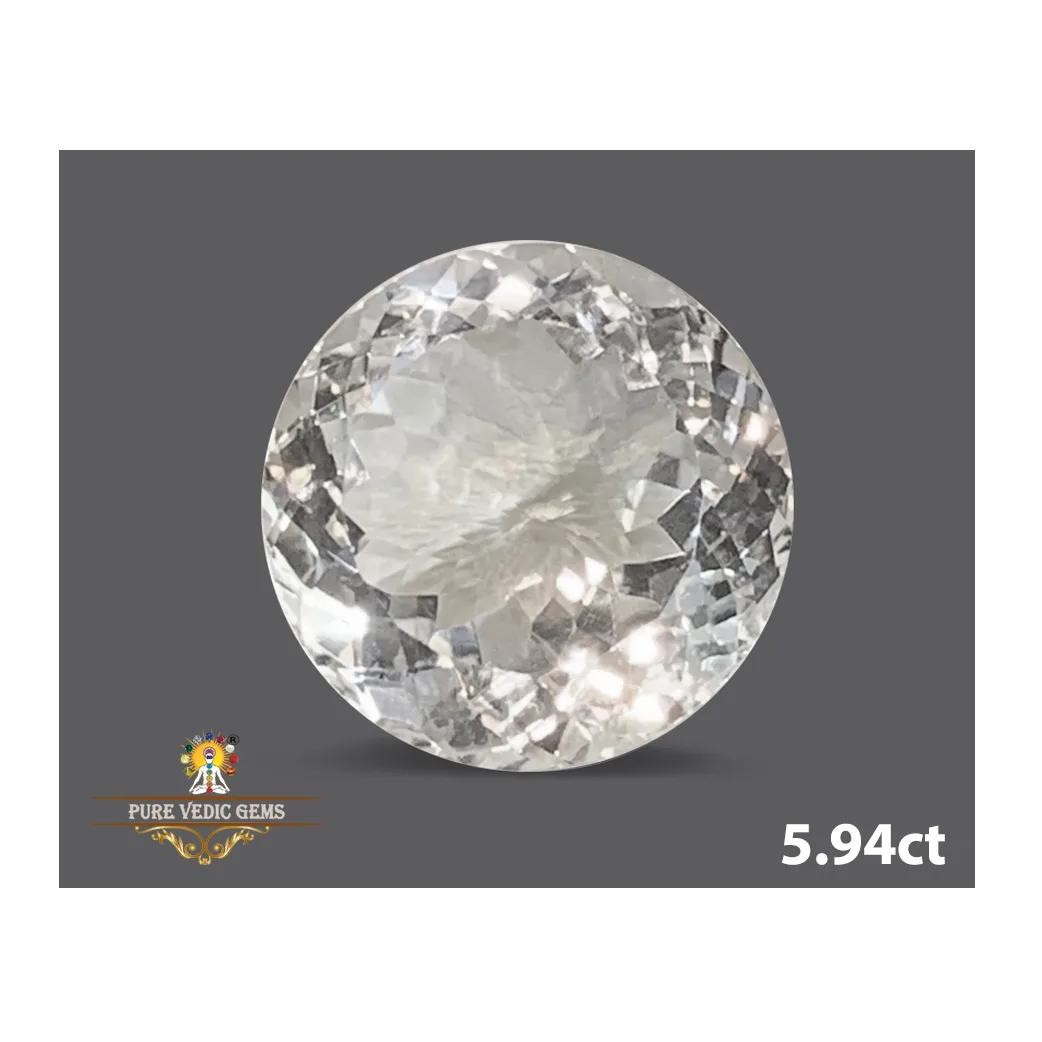
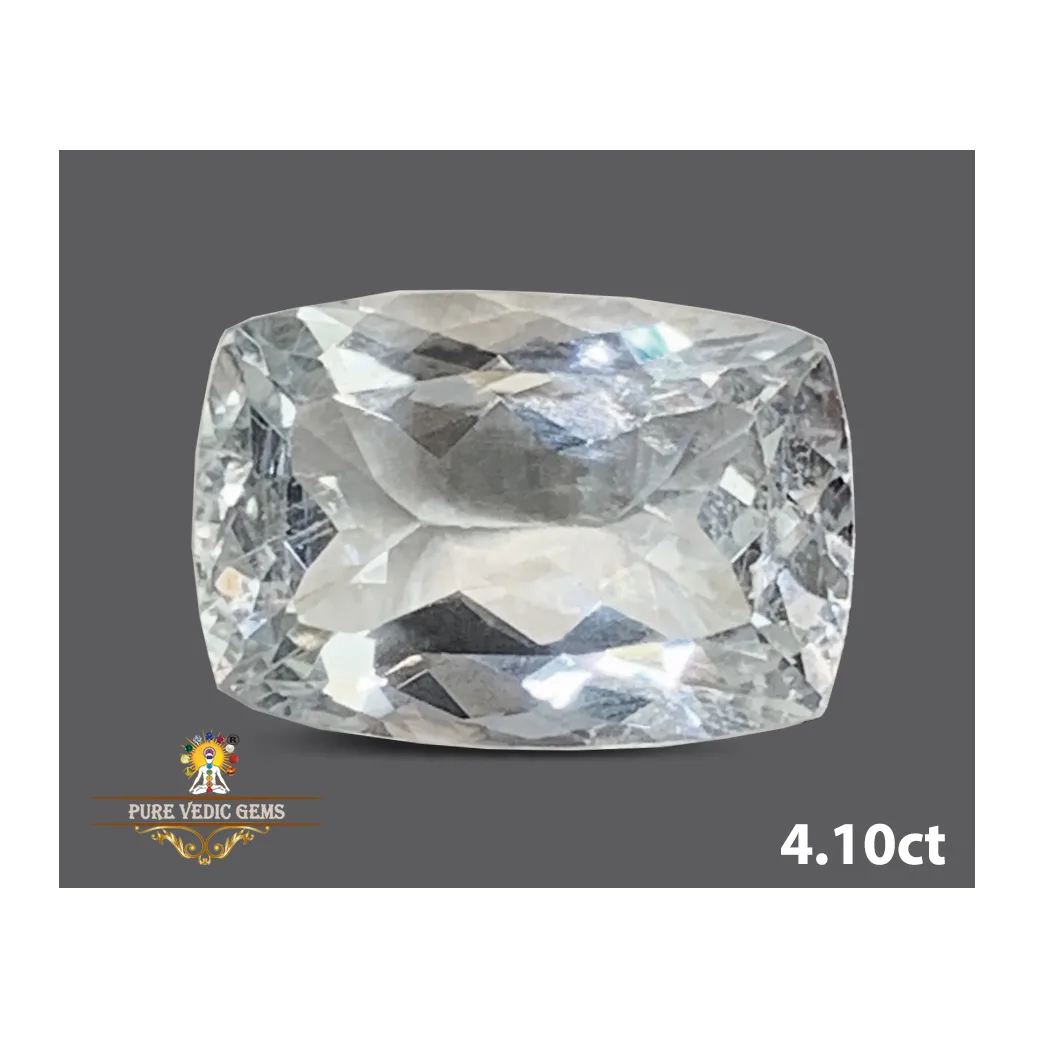
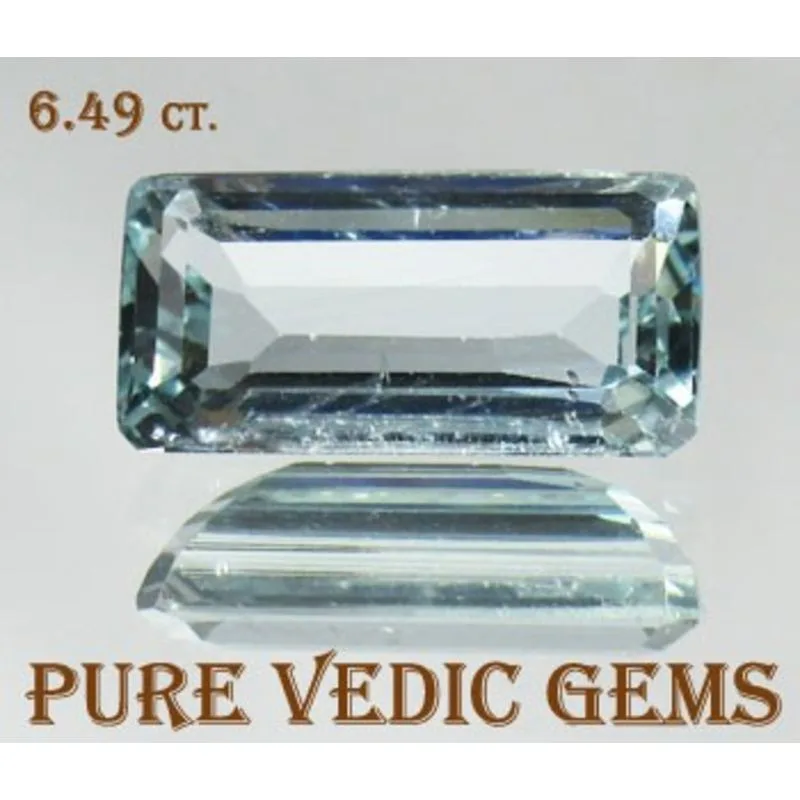
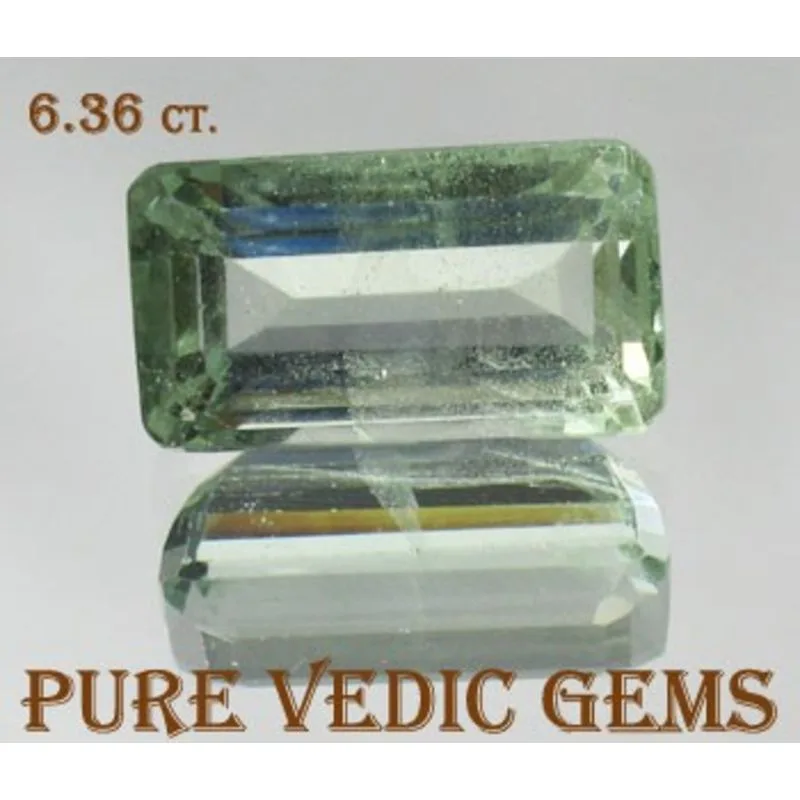
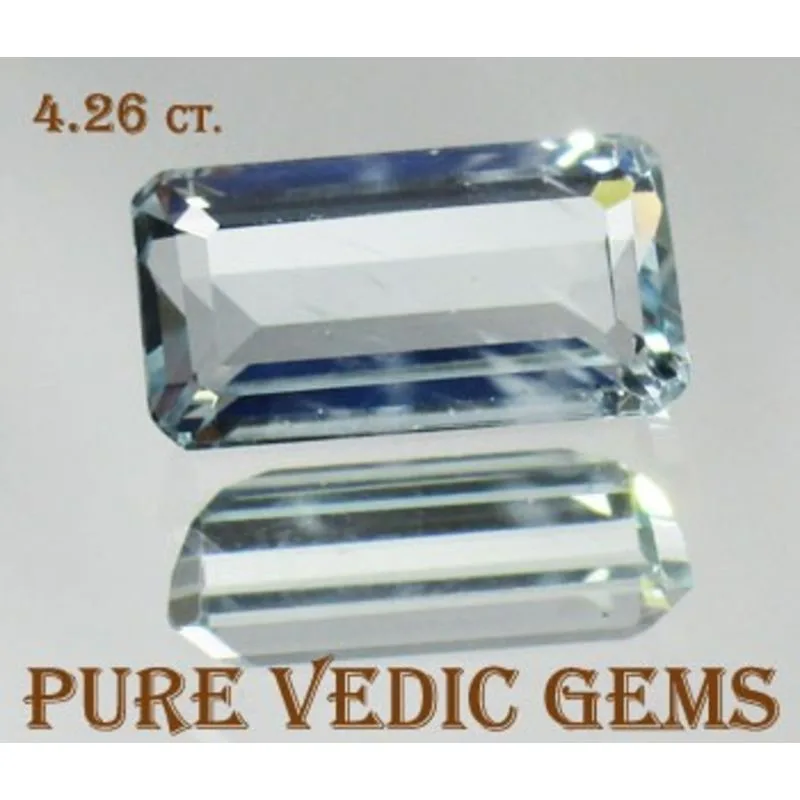
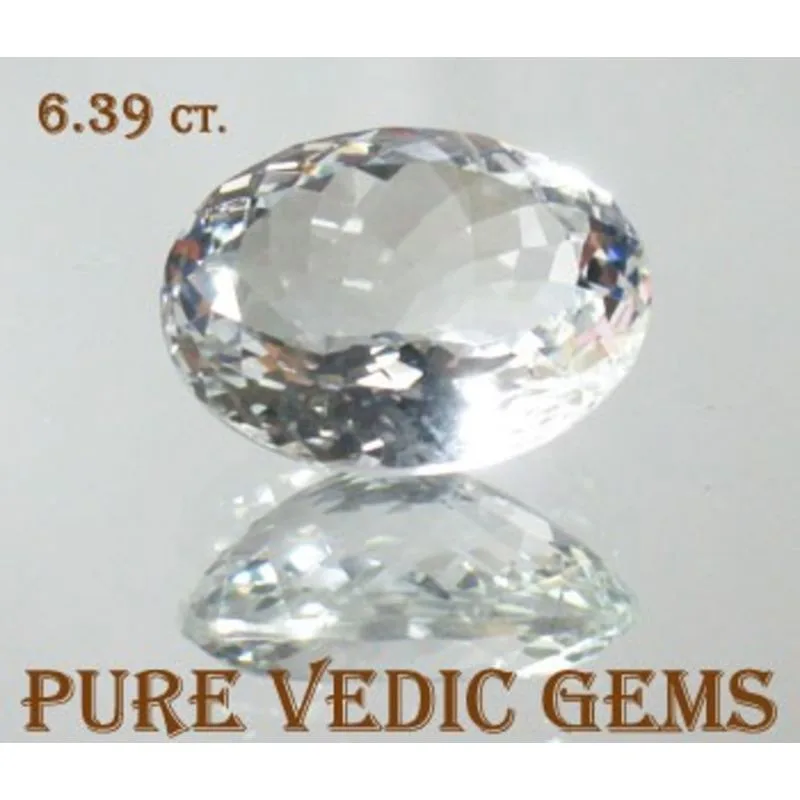
Aquamarine is blue to blue-green beryl — Be₃Al₂Si₆O₁₈ — coloured by iron. Mohs hardness 7.5–8 makes it excellent for rings. It is the same mineral family as Emerald.
Beruj appears in Indian astrological commerce as a Budh upratna, especially when a cooler, calmer Mercury remedy is desired versus intense green Panna. Some lineages also note lunar cooling properties — primary mapping remains Mercury. Gemstone remedies are chart-specific. Always consult a qualified Jyotish astrologer before wearing any stone for planetary purposes.
Brazil (Minas Gerais), Pakistan, Madagascar, and Nigeria produce notable aquamarine. Santa Maria blue is a prized colour term from Brazil.
| Mineral family | Beryl (cyclosilicate) |
| Typical colour | Light to medium blue / blue-green |
| Mohs hardness | 7.5–8 |
| Vedic association | Mercury (Budh) — upratna for Panna |
Wear on Wednesday during Budh Hora on the little finger in gold or Panchdhatu. Purify and chant "Om Bram Budhaya Namah" 108 times.
Select lively blue stones with good transparency — aquamarine often eye-clean, making fine appearance achievable at moderate weights.
Avoid pairing with primary Emerald without guidance.
Considered for communication, commerce, analytics, and study when Mercury needs support with a gentler aesthetic than Emerald.
May appeal to natives who find dark green Panna visually or energetically too strong — astrologer must confirm suitability.
Gemstone remedies are chart-specific. Always consult a qualified Jyotish astrologer before wearing any stone for planetary purposes.
Associated with clear thinking, articulate expression, and calm negotiation under Budh.
High clarity and durability suit professionals wearing Mercury support daily.
Large clean crystals are more affordable than comparable Emerald — useful for bold rings.
Santa Maria and Espirito Santo blues from Brazil set colour benchmarks. Heat treatment is common and usually accepted in trade — disclose for Jyotish.
Maxixe-type irradiated beryl fades — avoid for remedial use.
Glass and synthetic spinel imitations exist.
Deep saturated blue commands premium; pale stones are economical. Size and clarity escalate price quickly above 5 ct.
Heat-treated blue is standard — natural deep colour without treatment is rare and costly.
| Colour | Intense blue preferred; greenish or greyish reduce value |
| Clarity | Eye-clean typical; loupe-clean in top grade |
| Cut | Emerald and oval cuts popular |
| Treatment | Disclose heat; avoid irradiated fading material |
Aquamarine excels in gold Mercury rings, drop earrings, and statement pendants. Open-back mounts showcase clarity.
Pairs beautifully with white metals for contemporary Jyotish jewellery.
Generally safe with warm soapy water. Avoid extreme heat that might affect treated stones.
Beryl can chip on sharp blows — protective settings advised.
Synthetic aquamarine and blue glass are sold as Beruj. Irradiated stones may fade — test and certify.
Do not confuse with blue topaz, which has different chemistry and Shani mapping.
Emerald is the primary Mercury ratna. Aquamarine is a beryl upratna — cooler and often gentler. Your chart determines the right choice.
Trade widely accepts heat. Conservative Jyotish may prefer untreated stones — discuss with your astrologer and disclose treatments.
A trade term for vivid blue Brazilian aquamarine reminiscent of historic Santa Maria de Itabira material — now applied to similar hues globally.
Gold and Panchdhatu are standard for Budh. Silver may be approved for upratnas in some charts.
Yes — hardness 7.5–8 supports daily rings with reasonable care.
Mercury governs speech and intellect; aquamarine is worn as a Budh support — results depend on chart strength and effort, not magic alone.