 +91-9310172512
 +44-7831491778
 +971-526686526
Curating certified treasures
India UK UAE
+91-9310172512+44-7831491778+971-526686526 India UK UAE+91-9310172512+44-7831491778+971-526686526 India UK UAE
Curating certified treasures
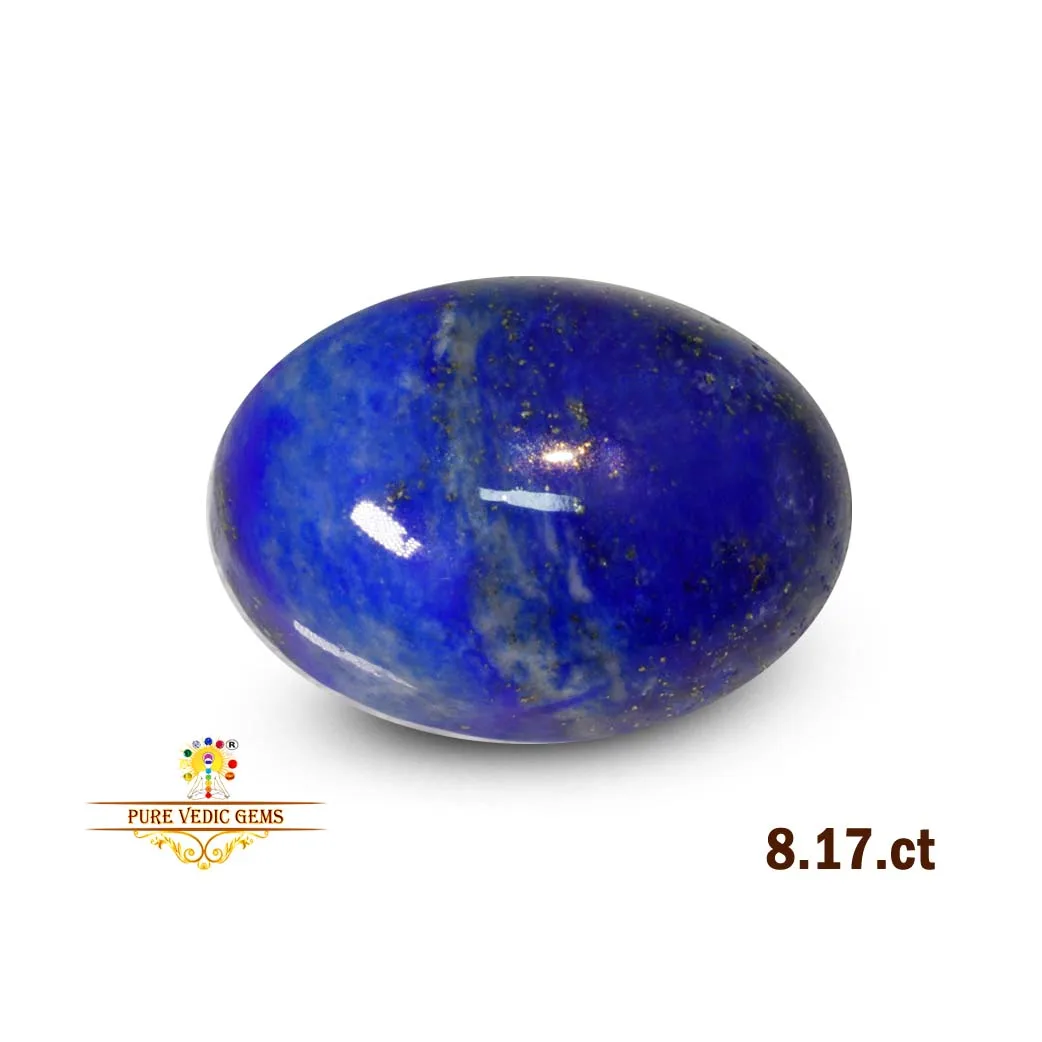
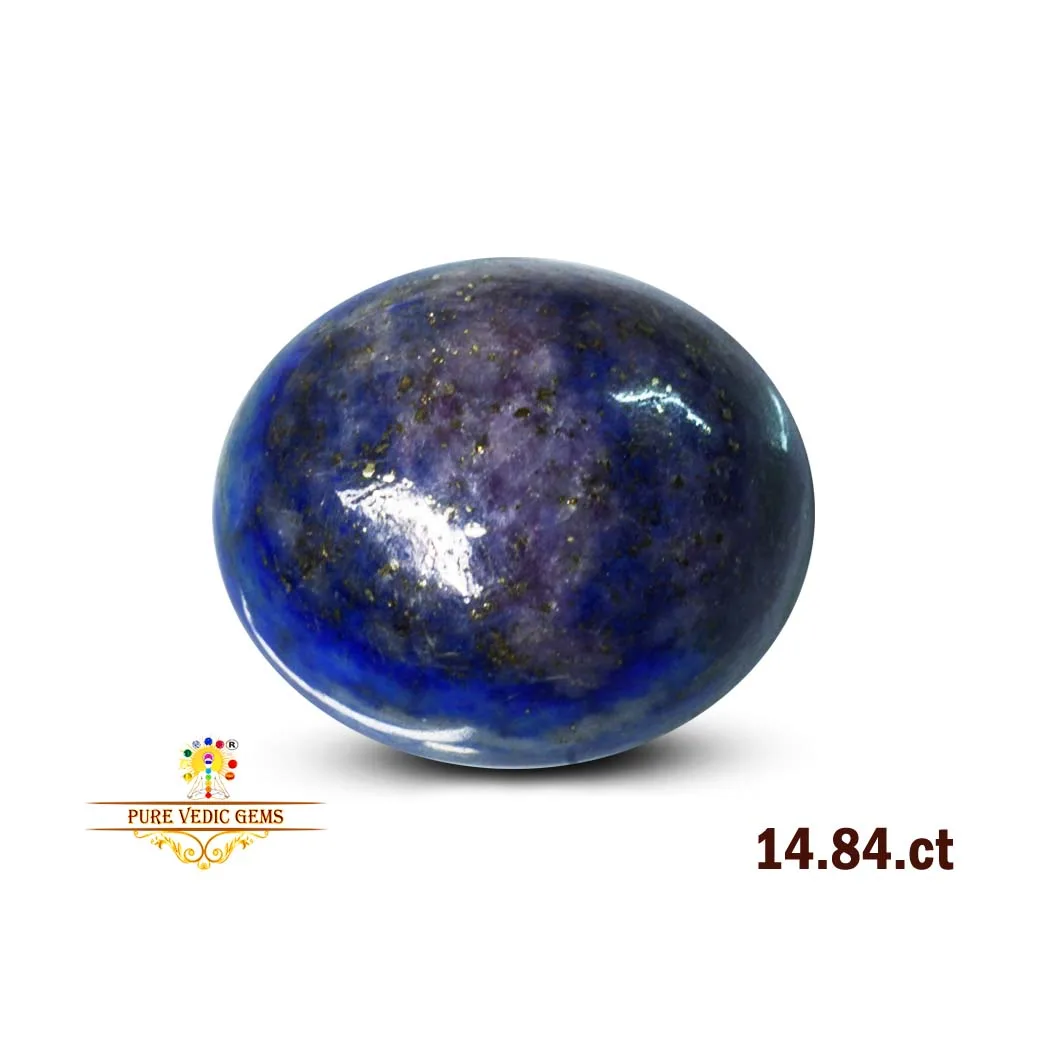
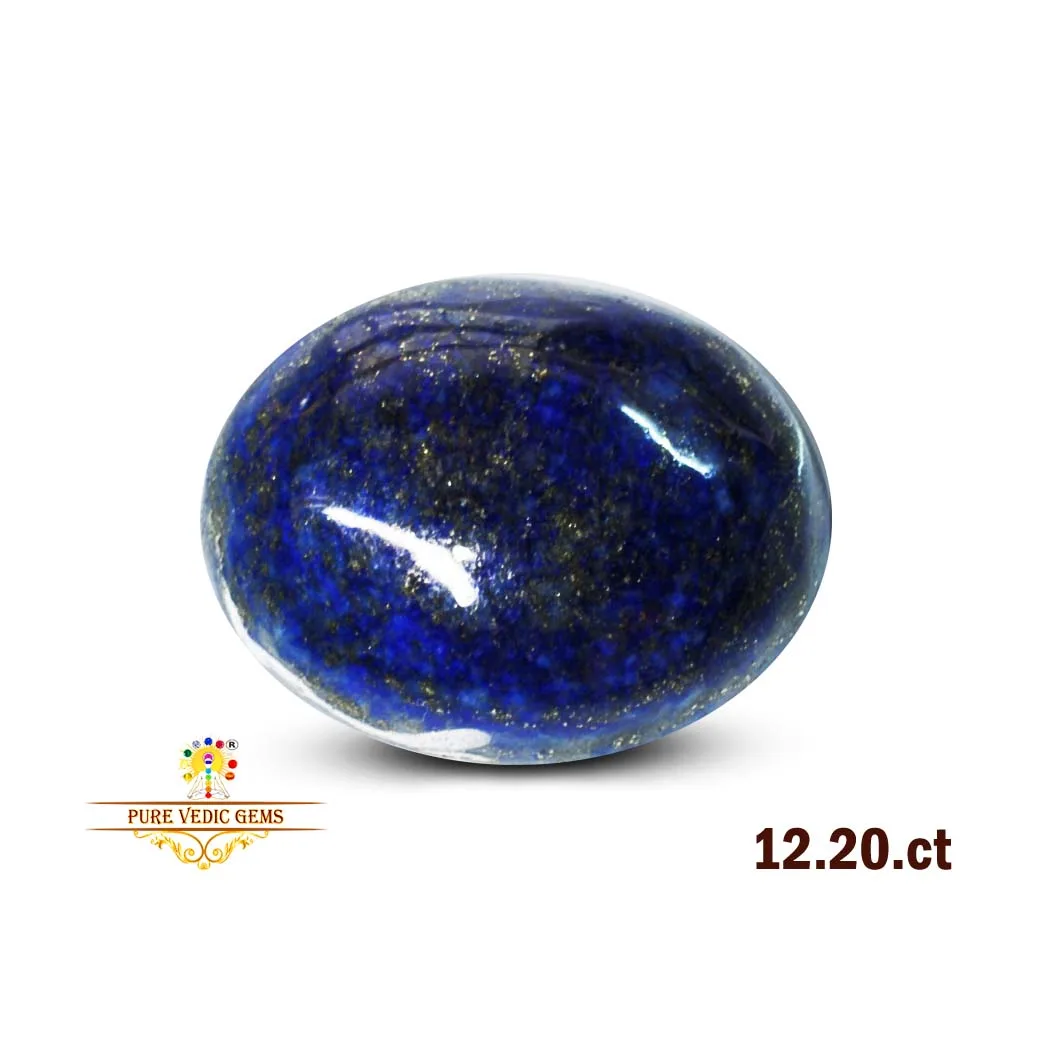
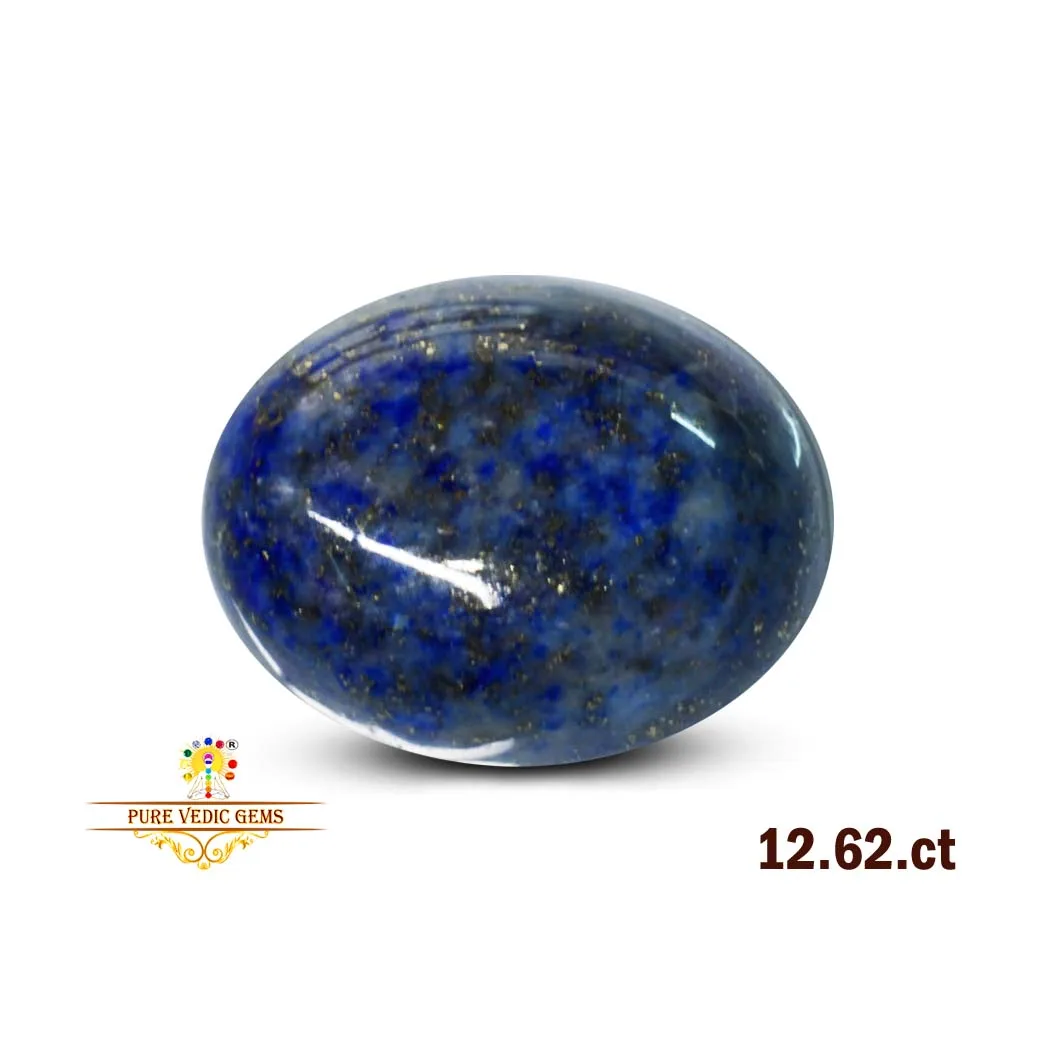
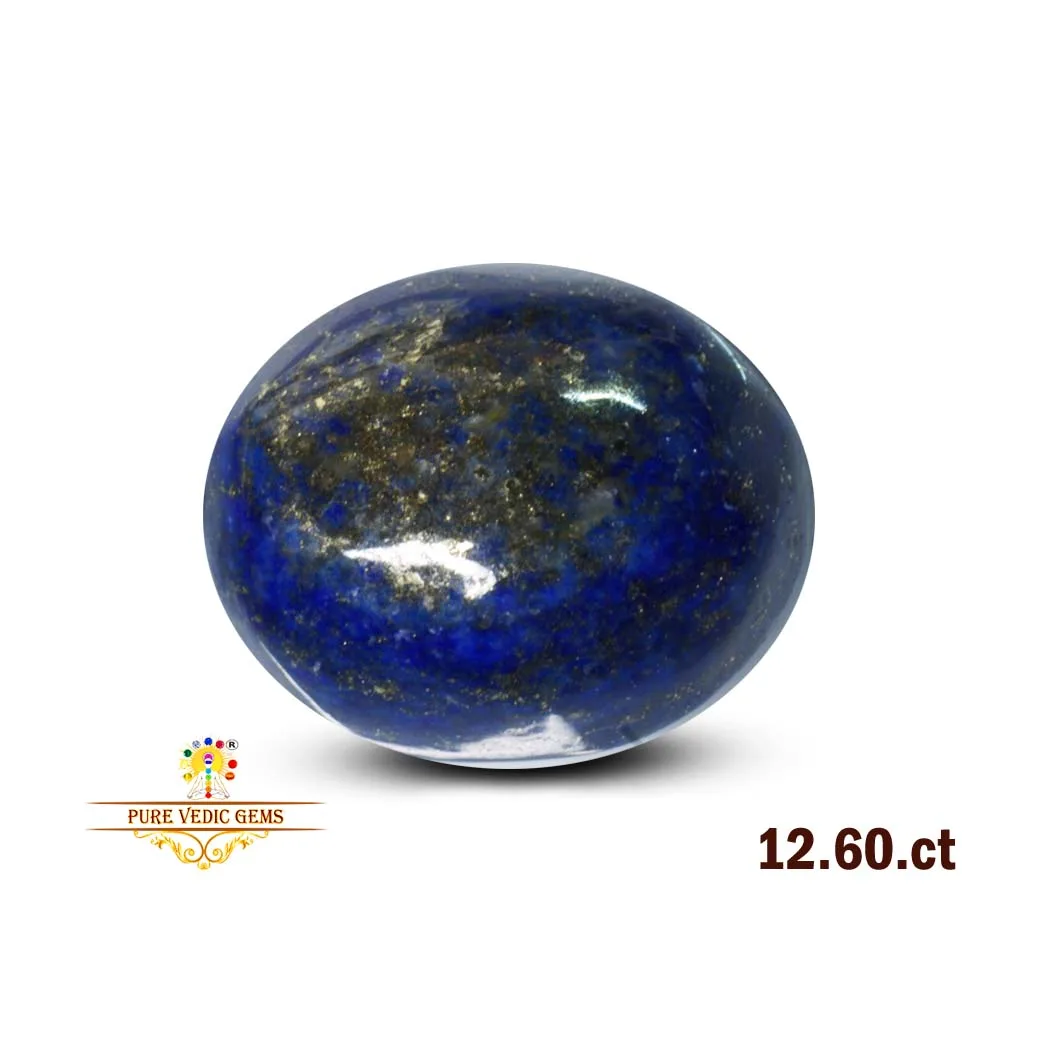
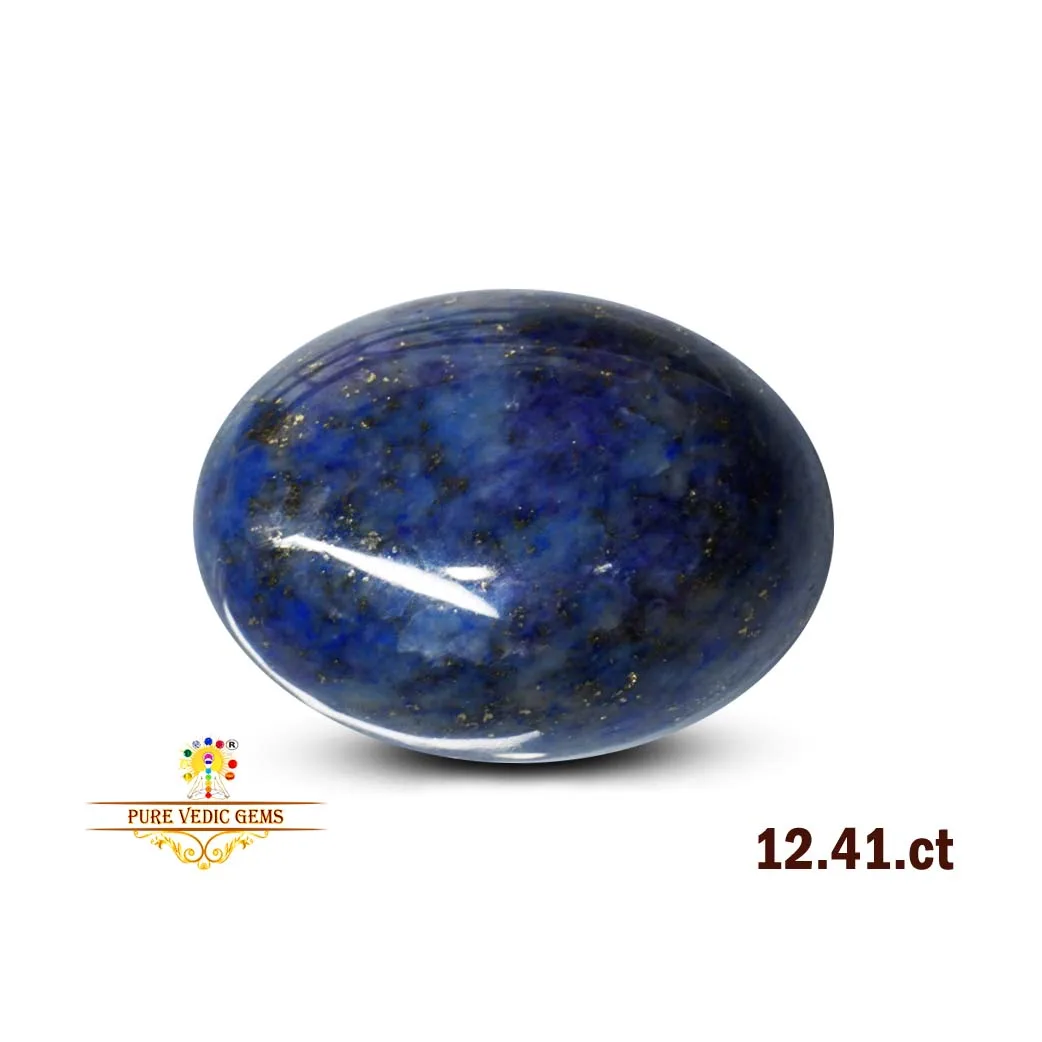
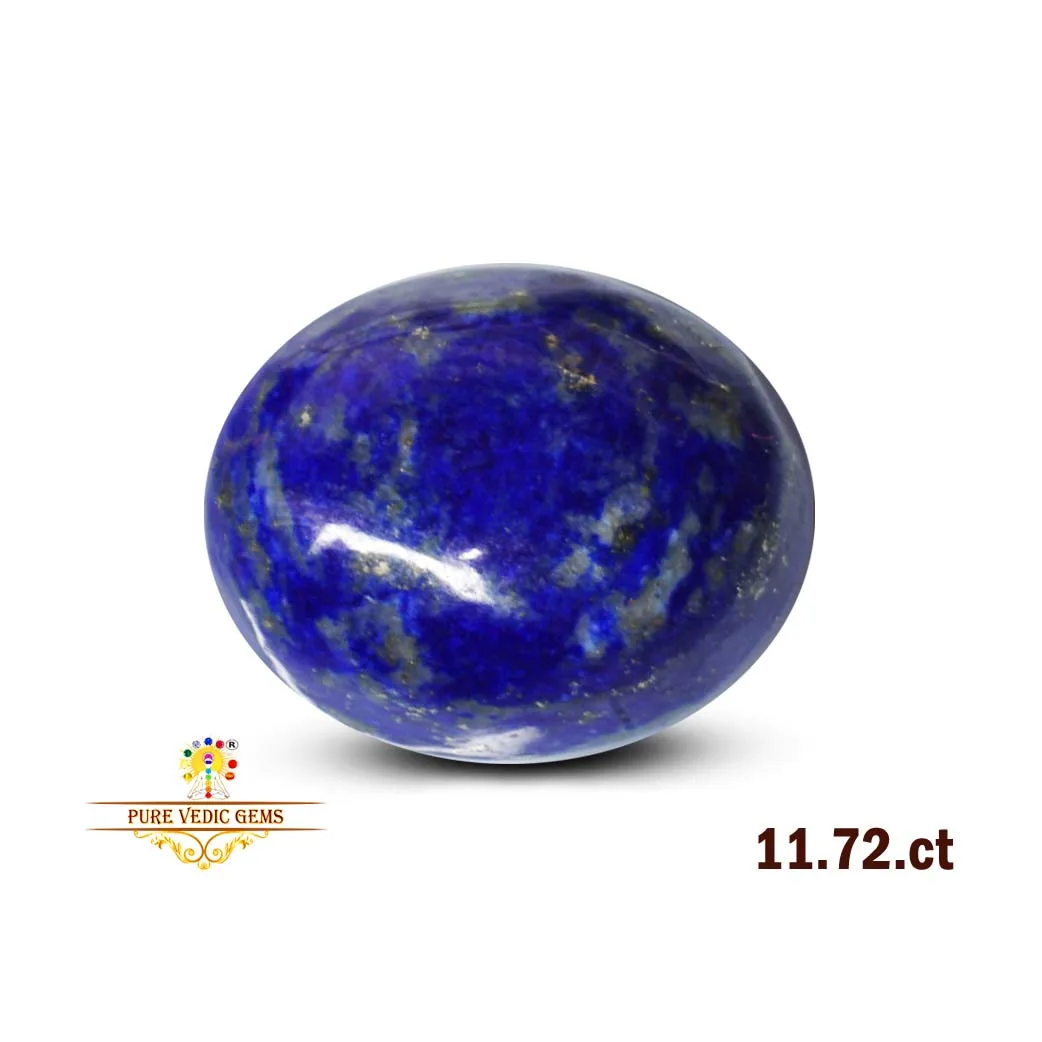
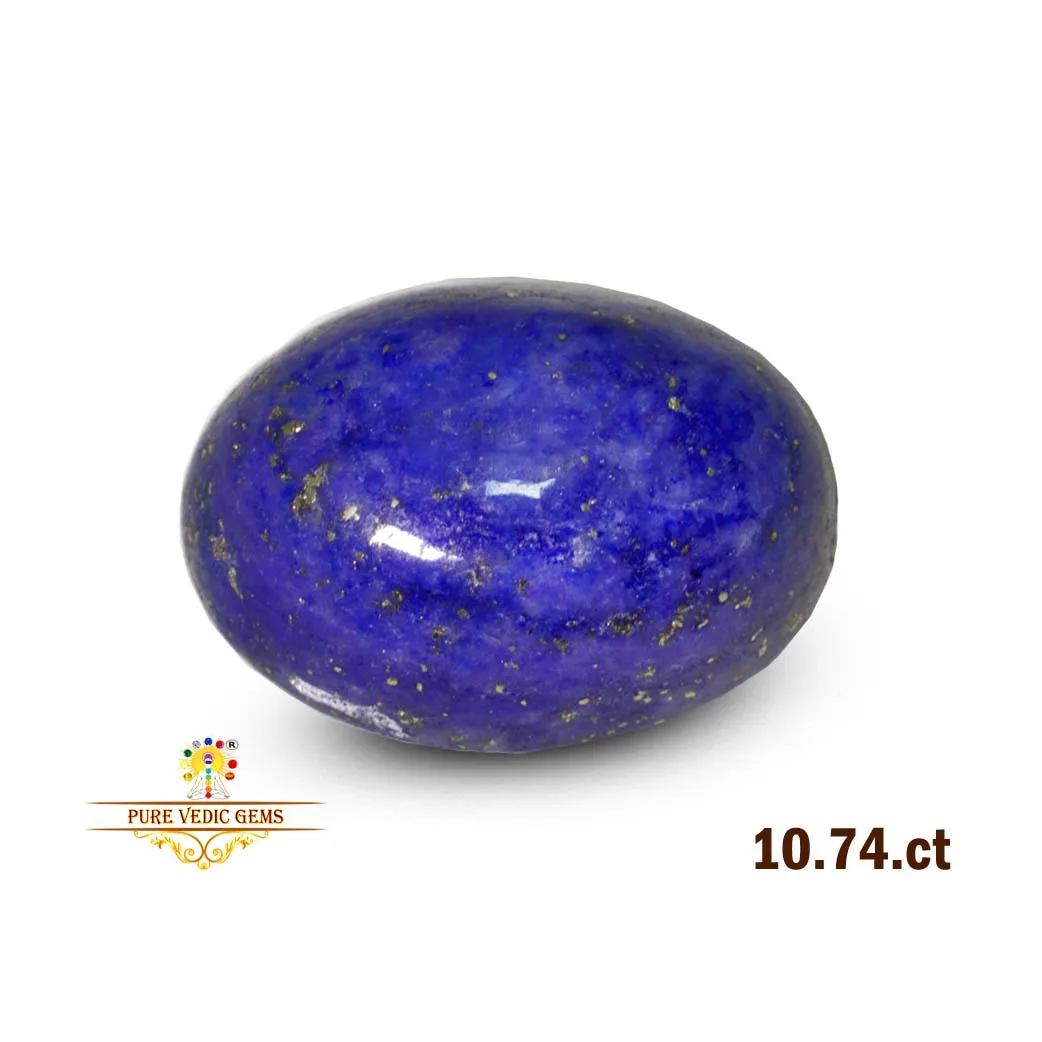
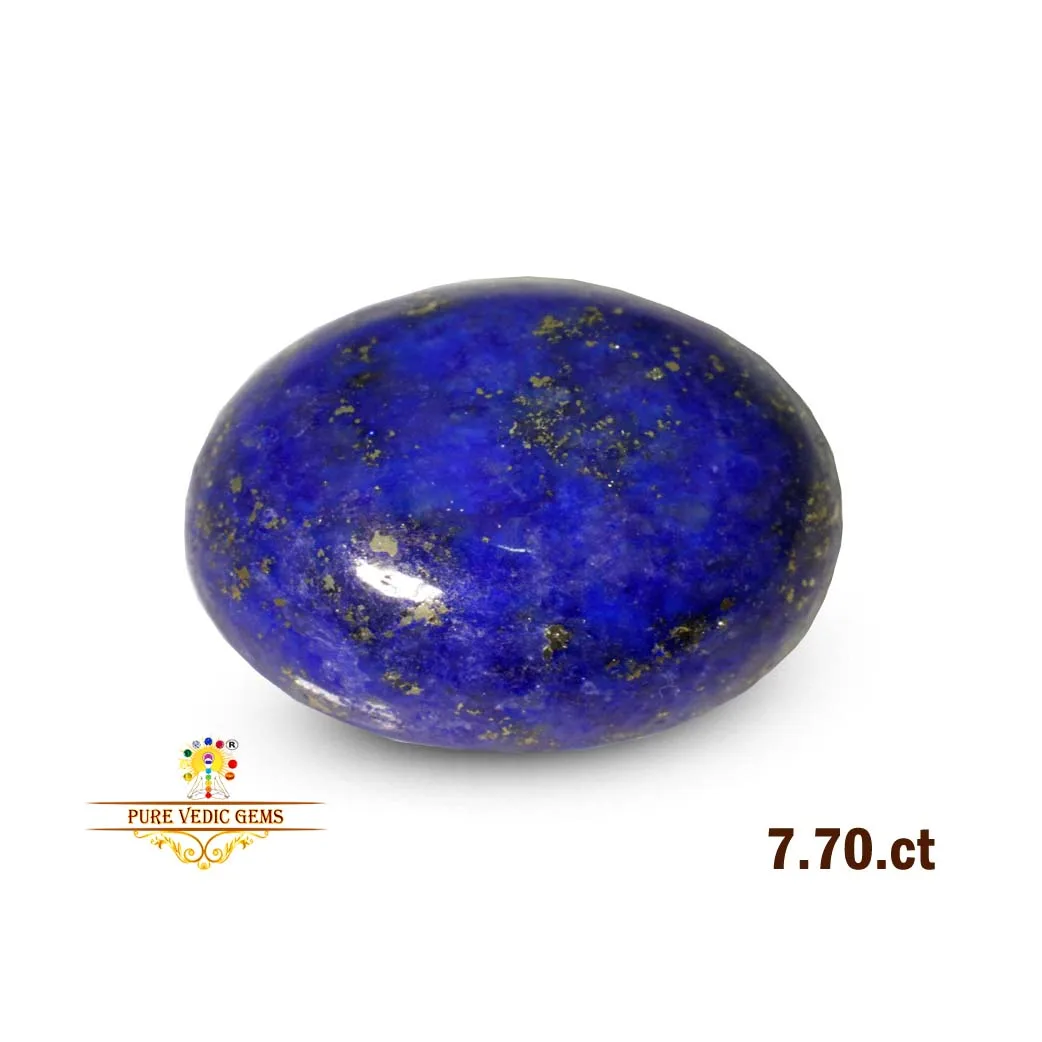
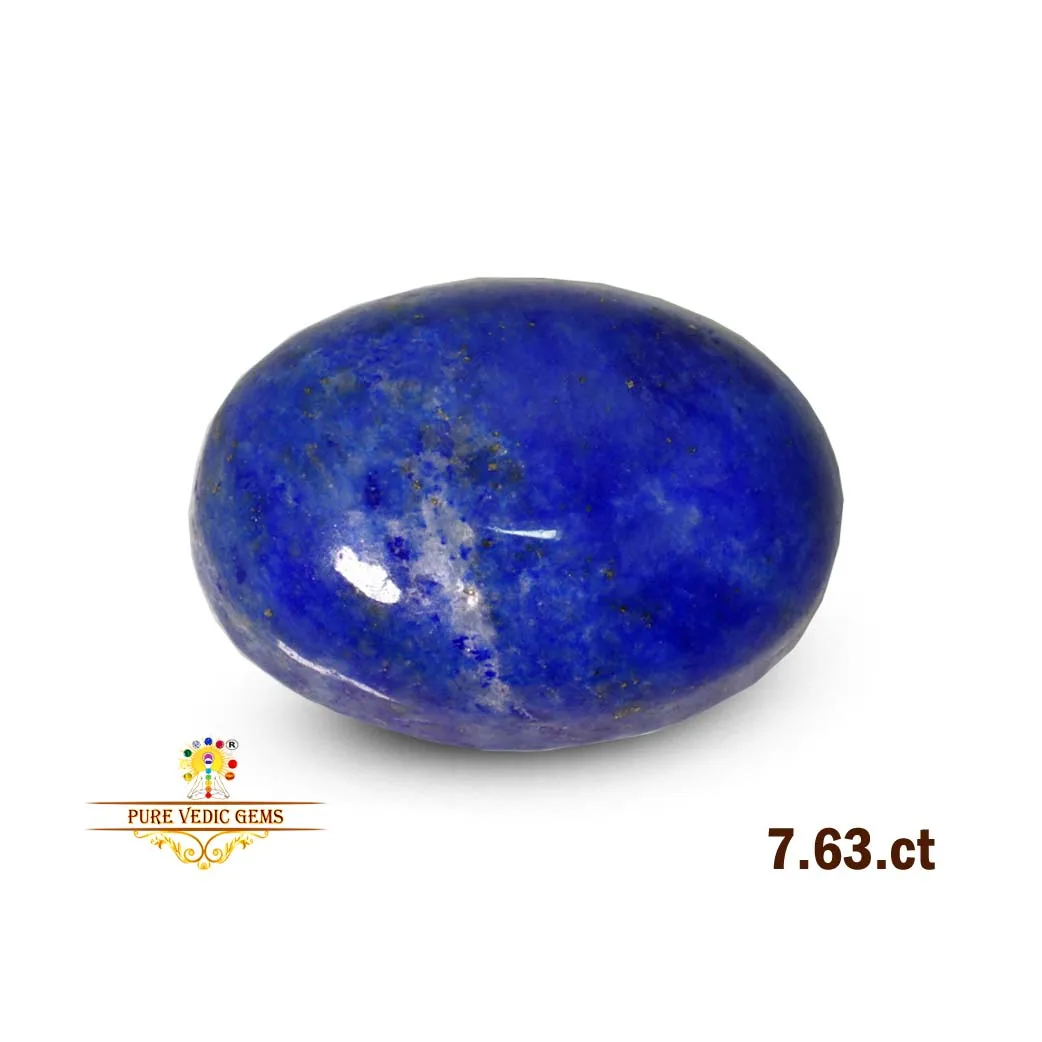
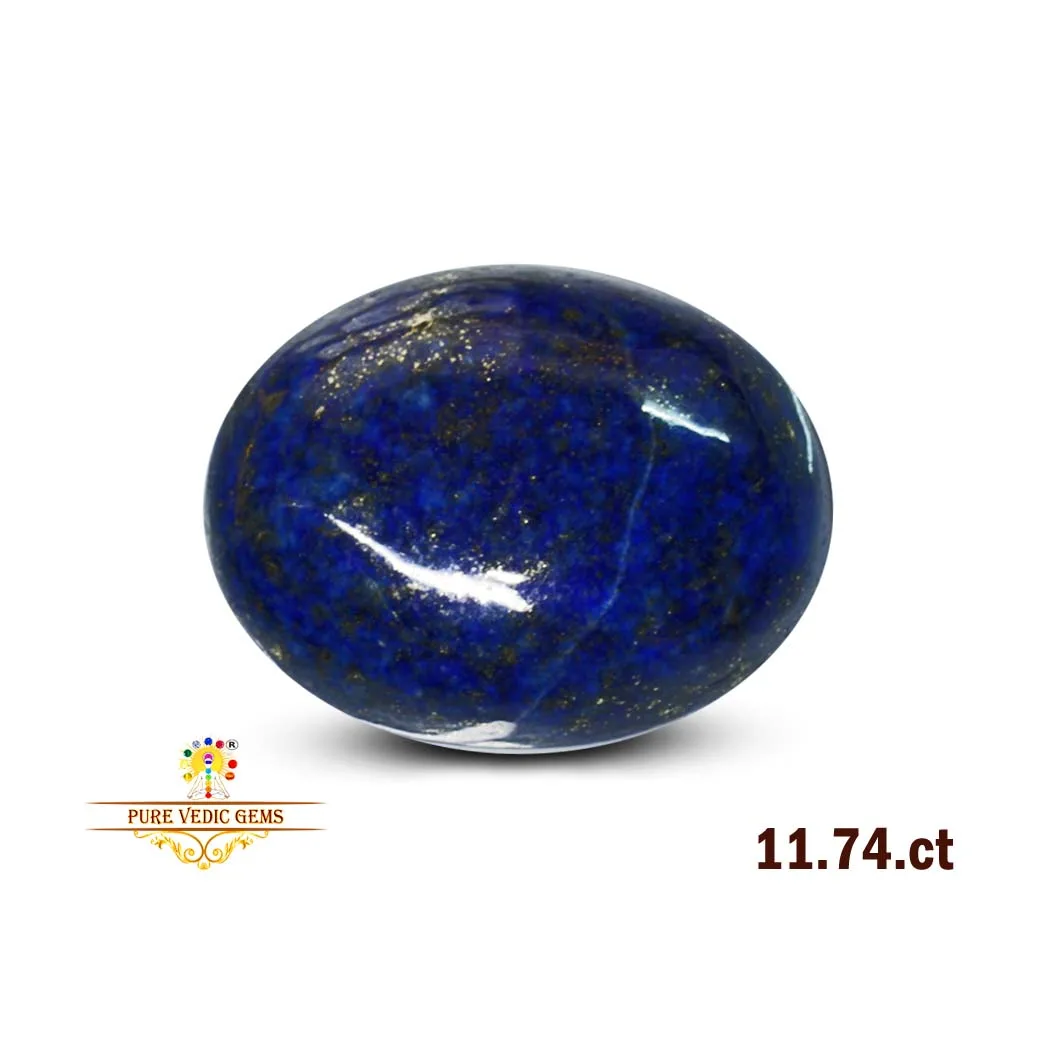
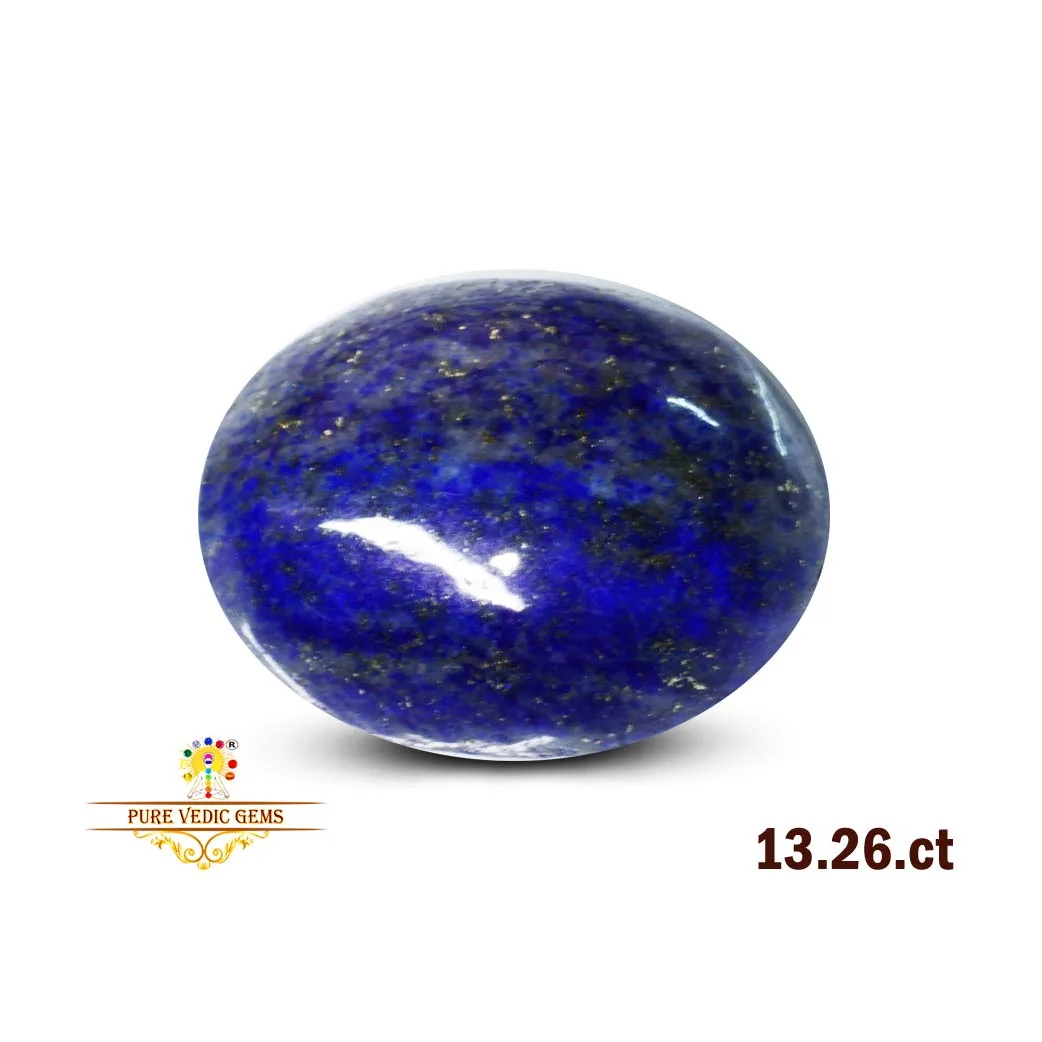
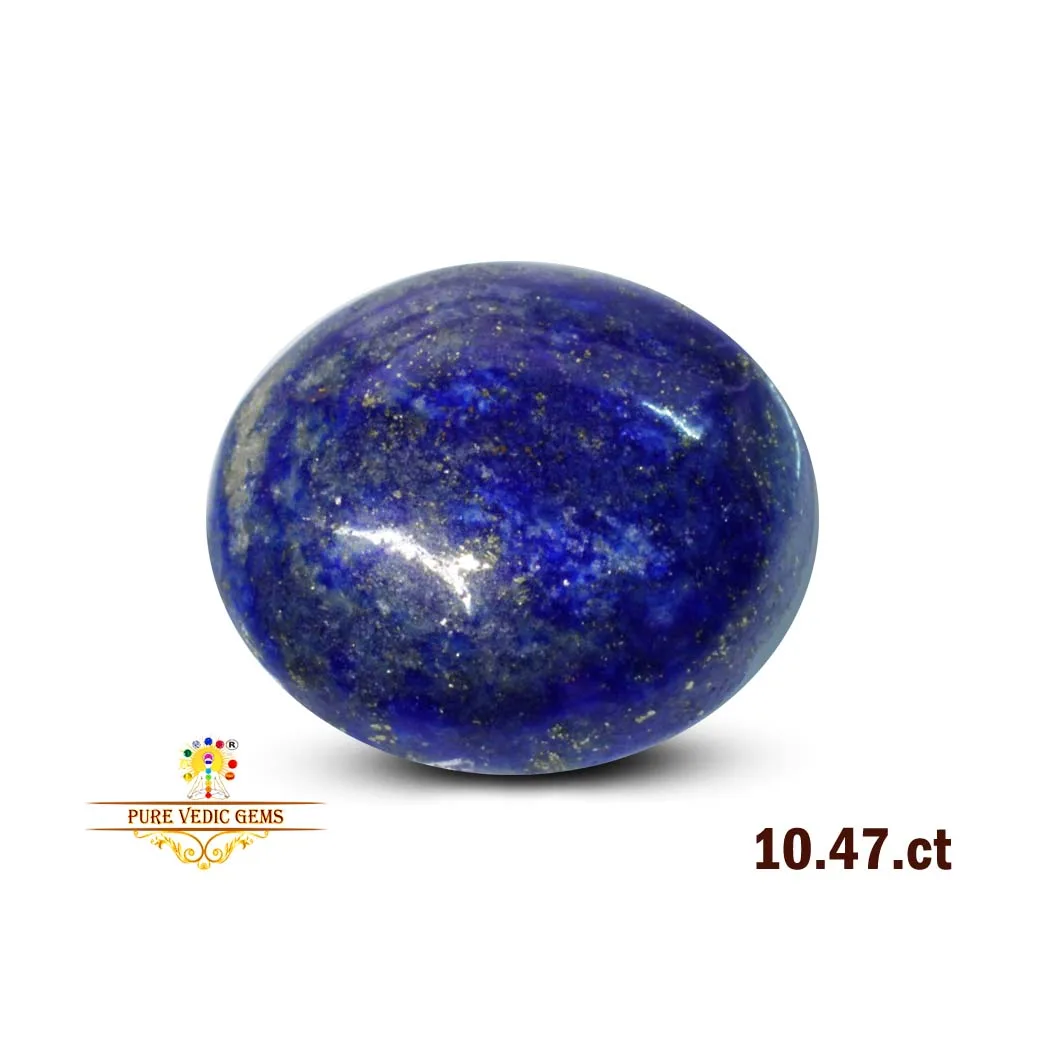
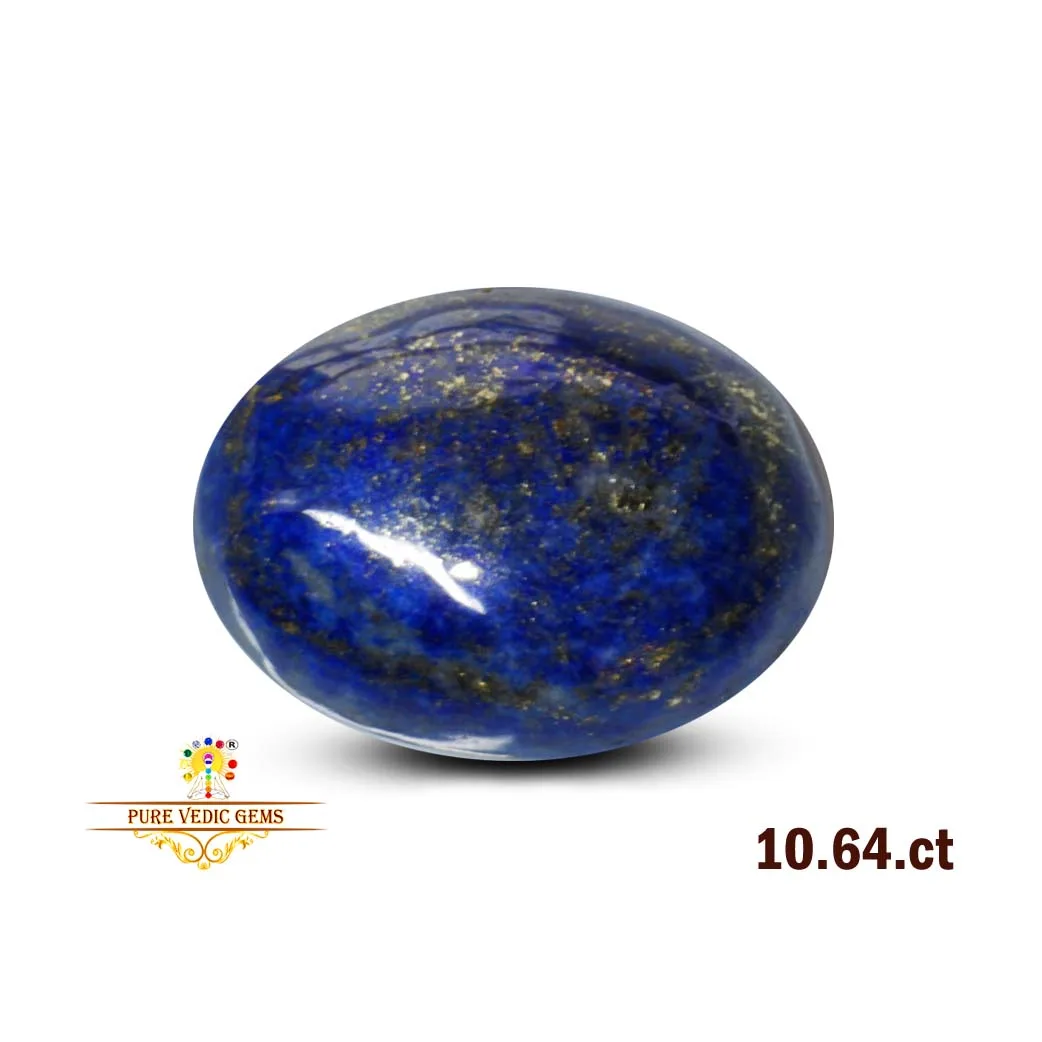
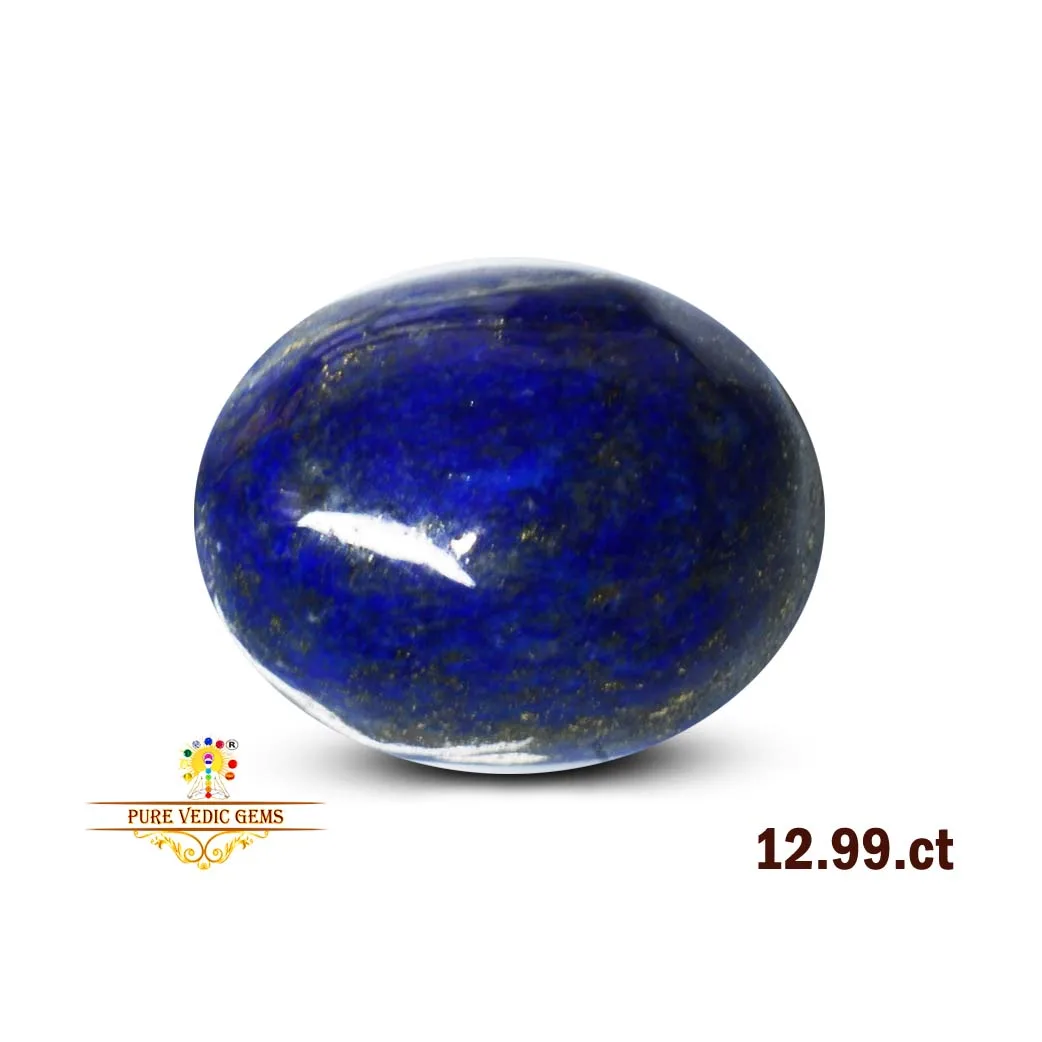
Lapis Lazuli — Lajward in Hindi — is an ancient Saturn-aligned upratna prized for its celestial blue field and golden pyrite flecks, long u…
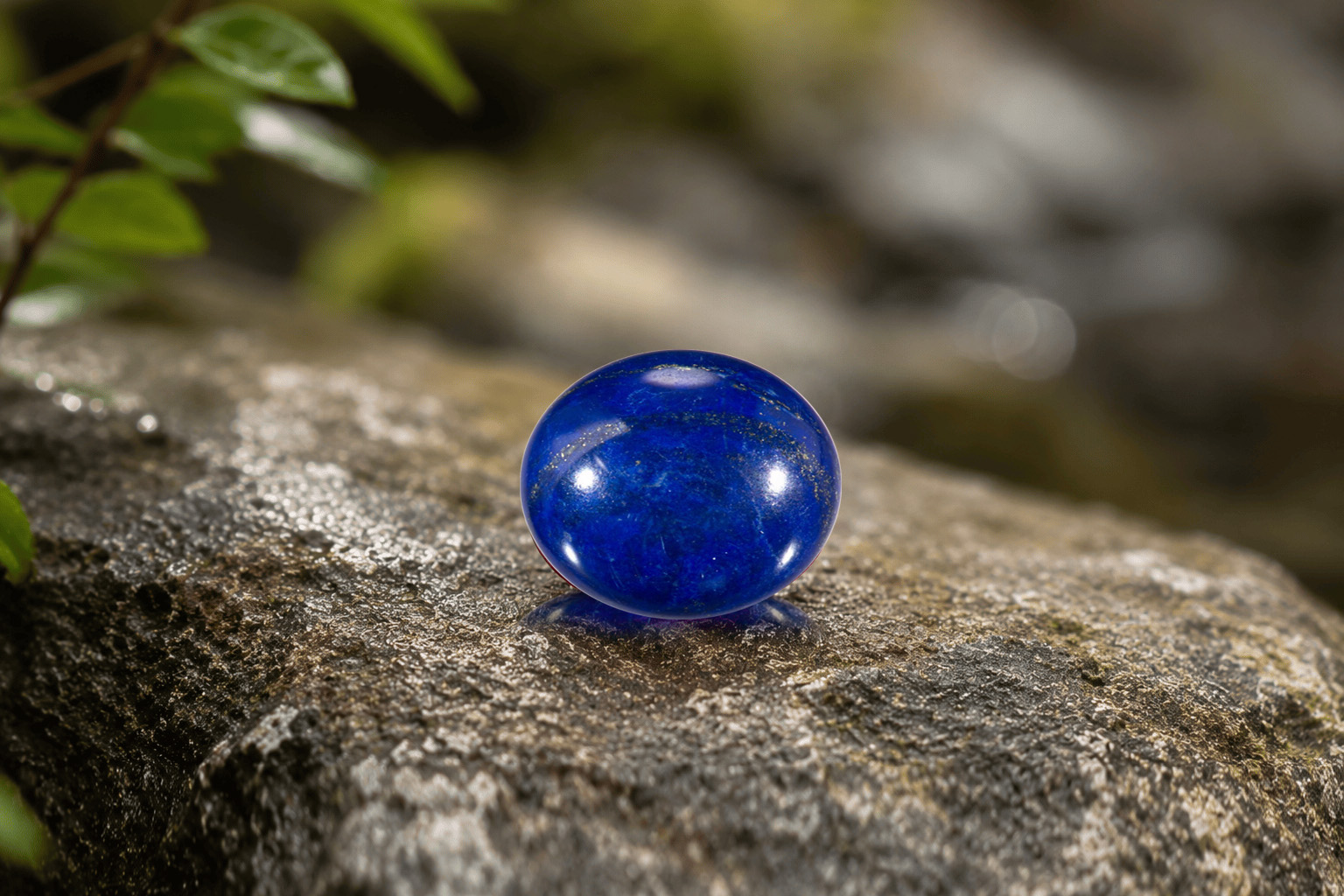
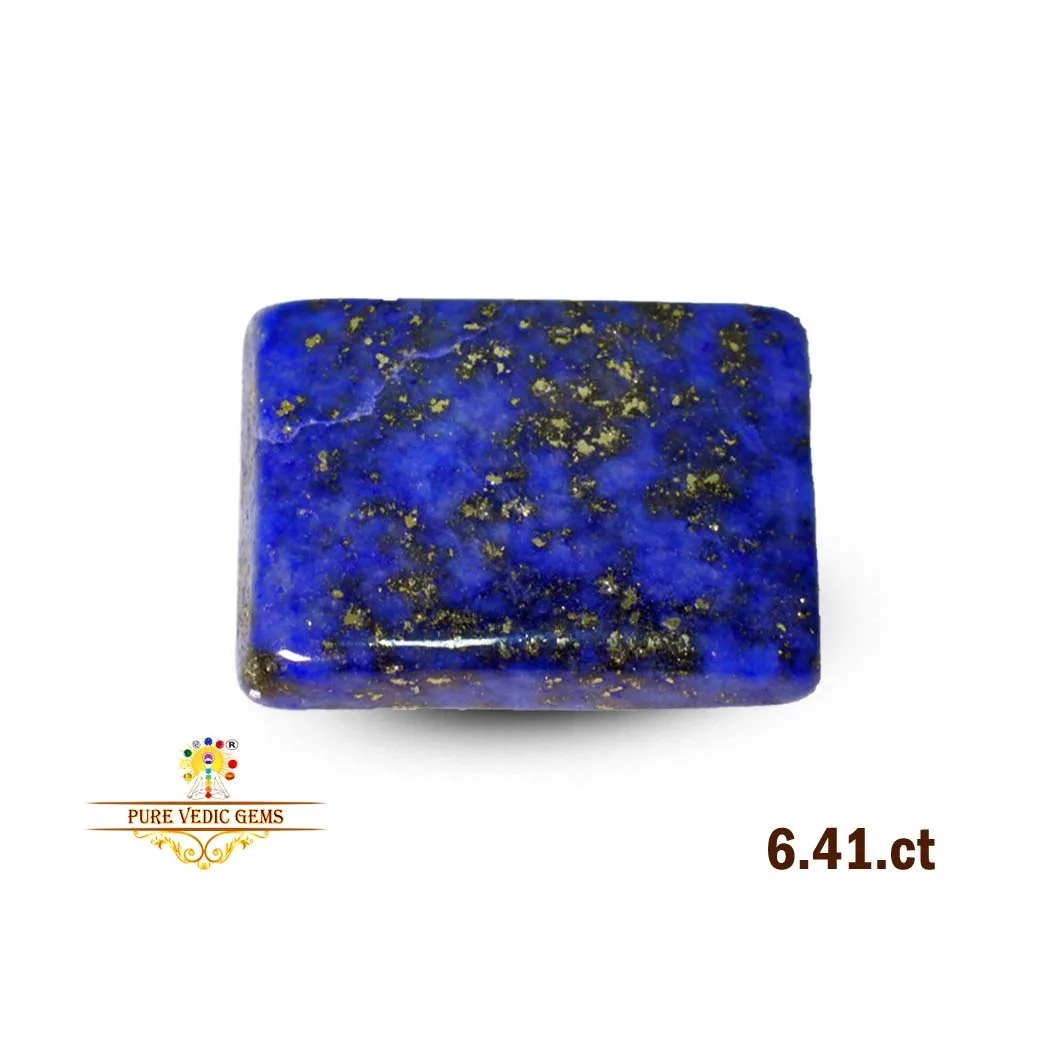
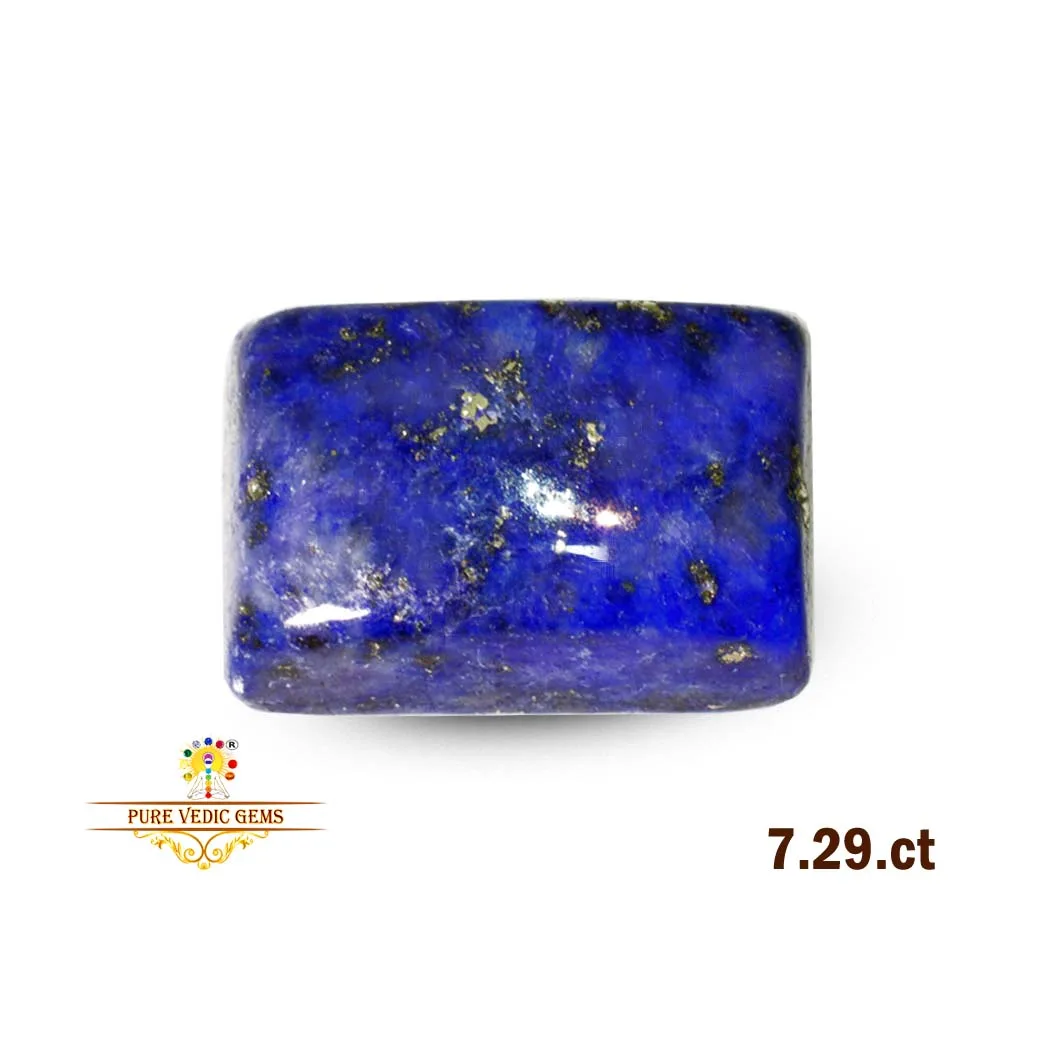
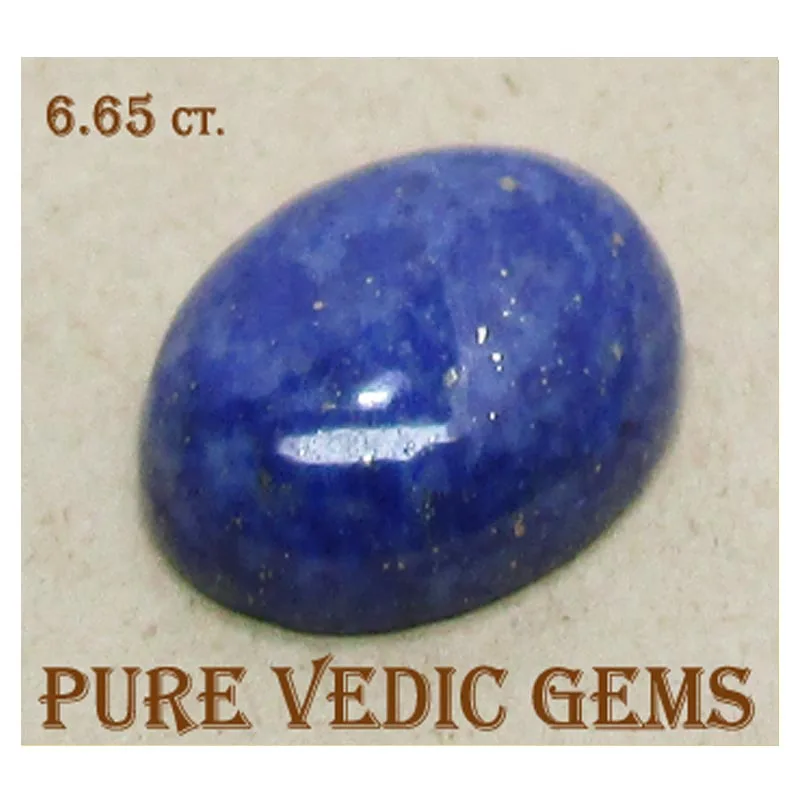
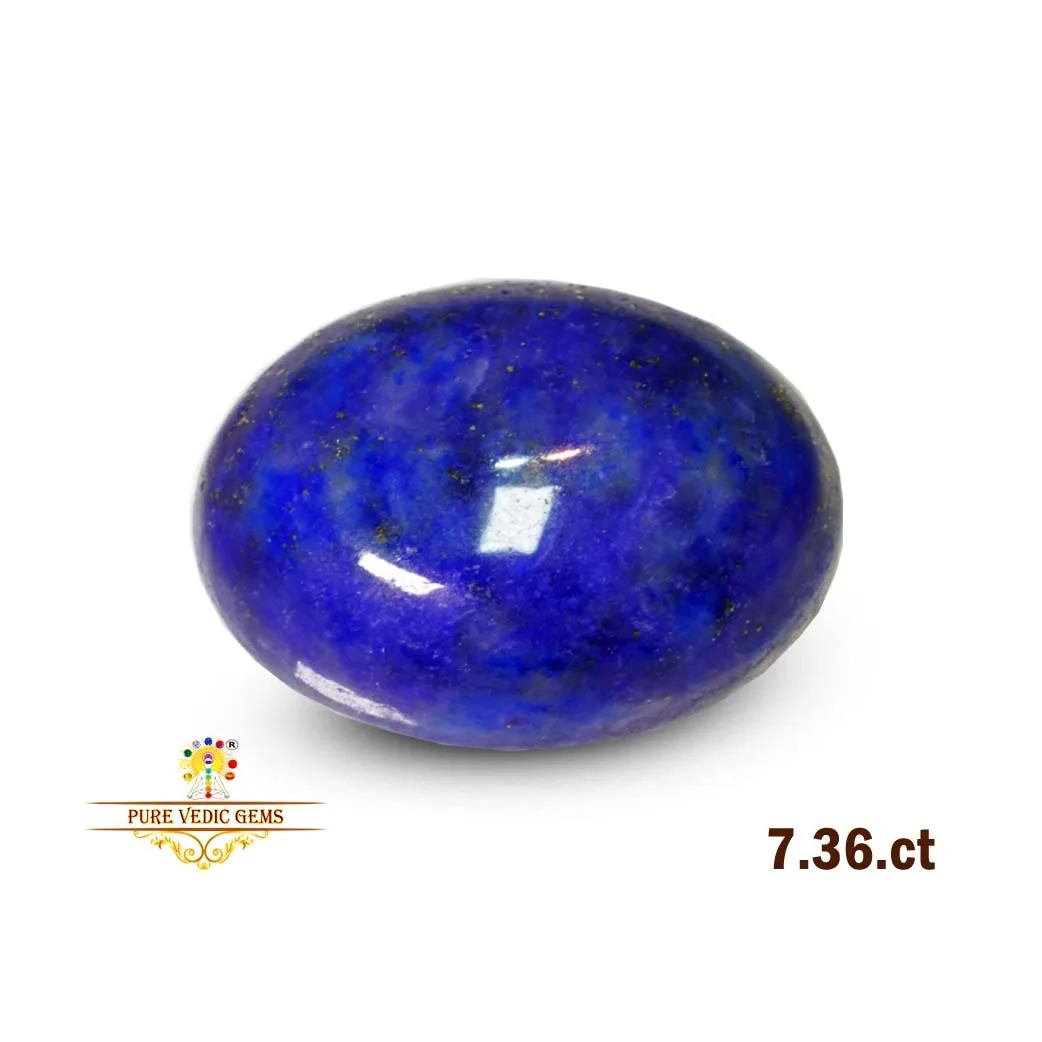
Lapis Lazuli is a rock composed primarily of lazurite, calcite, and pyrite — not a single mineral species. Its signature ultramarine blue comes from sulfur-rich lazurite crystals within the matrix.
Classical texts and folk Jyotish often list Lajward among Shani upratnas alongside Amethyst and Iolite. It is chosen when a deep blue Saturn remedy is desired without Neelam's intensity. Gemstone remedies are chart-specific. Always consult a qualified Jyotish astrologer before wearing any stone for planetary purposes.
Afghanistan (Badakhshan) remains the historic benchmark origin, though Chile, Russia, and Pakistan also produce notable material. PureVedicGems discloses origin and enhancement status on every listing.
| Composition | Lazurite + calcite + pyrite (rock) |
| Typical colour | Deep blue with gold pyrite flecks |
| Mohs hardness | 5–5.5 (softer — protect in jewellery) |
| Vedic association | Saturn (Shani) — upratna for Neelam |
Wear on Saturday after sunrise during Shani Hora, set in silver on the middle finger. Cleanse with Ganga jal or raw milk, offer blue flowers if convenient, and chant "Om Sham Shanicharaya Namah" 108 times.
Because Lapis is softer than quartz, choose protective bezel settings for rings. Pendants on silver chains are popular for those with active lifestyles.
Avoid wearing alongside untreated Blue Sapphire unless your astrologer directs a specific combination.
Considered when Saturn requires support and the native seeks a blue-toned upratna with historical pedigree. Suitable for scholars, judges, researchers, and those in disciplined professions — if the chart supports Shani remedies.
Not recommended blindly during Sade Sati or Shani Mahadasha — severity and house placement matter. Children and pregnant women should consult an astrologer before any Shani stone.
Gemstone remedies are chart-specific. Always consult a qualified Jyotish astrologer before wearing any stone for planetary purposes.
Associated with wisdom, truthful speech, and dignified authority under Shani's influence. Many wearers report improved focus for study and contemplative practices.
The stone's deep blue has symbolized divine connection across cultures — from ancient Egypt to Tibetan Buddhist art — adding cultural depth beyond astrology.
As an opaque gem, minor surface imperfections are acceptable for Jyotish, making fine Lapis more accessible than transparent Neelam.
Afghan Lapis with minimal white calcite and vivid blue is most valued. Chilean material often shows more calcite veining. Russian and Pakistani sources vary in pyrite content.
Dyed howlite and reconstituted Lapis are common fakes — always test before buying for remedial use.
Cabochons dominate astrological jewellery; carved amulets and mala beads are also traditional.
Top Afghan cabochons with even blue and attractive pyrite specks command premium prices. Heavy calcite whitening lowers value significantly.
Price is per piece rather than per carat for opaque stones. Expect wide range from ₹500 for small beads to ₹50,000+ for fine large cabochons.
| Colour | Intense, uniform blue without grey or green cast |
| Pyrite flecks | Attractive gold specks valued; excessive pyrite can weaken structure |
| Calcite | Minimal white veining preferred |
| Enhancement | Natural colour only for Jyotish |
Silver rings with bezel-set Lapis protect the softer stone. Oval and cushion cabochons are classic Shani styles.
Lapis pendants and cufflinks suit professionals who cannot wear rings at work.
Never use ultrasonic or steam cleaners. Wipe with a damp soft cloth only; avoid acids and household chemicals.
Lapis is porous — keep away from perfumes, lotions, and prolonged water immersion.
Dyed magnesite or howlite sold as "Lajward" is widespread in street markets. Reconstituted Lapis made from powder and resin fails both gemology and Jyotish standards.
Ask for specific origin documentation for Afghan material — many sellers use the label generically.
Lajward is the Hindi name for Lapis Lazuli, traditionally linked to Shani as an upratna for Blue Sapphire in North Indian Jyotish practice.
Afghan Badakhshan Lapis is historically prized for colour, but any natural, undyed Lapis of strong blue can serve as an upratna if your astrologer approves.
Yes in protective settings, but its Mohs 5–5.5 hardness means rings need bezels and occasional repolishing. Pendants are safer for daily wear.
Sodalite is a separate mineral, usually lighter blue with white veining and no pyrite flecks. It is not a traditional Shani upratna — do not substitute without guidance.
Silver is standard. Some charts prescribe iron-based Panchdhatu or mixed alloys — follow your astrologer's metal recommendation.
Yes — Vedic practice favors Saturday purification and Shani mantra before first wear. PureVedicGems offers in-house energization services.