 +91-9310172512
 +44-7831491778
 +971-526686526
Curating certified treasures
India UK UAE
+91-9310172512+44-7831491778+971-526686526 India UK UAE+91-9310172512+44-7831491778+971-526686526 India UK UAE
Curating certified treasures
Malachite is a vivid green copper carbonate worn as a Shukra-aligned talisman for creativity, beauty, and emotional renewal when transparen…
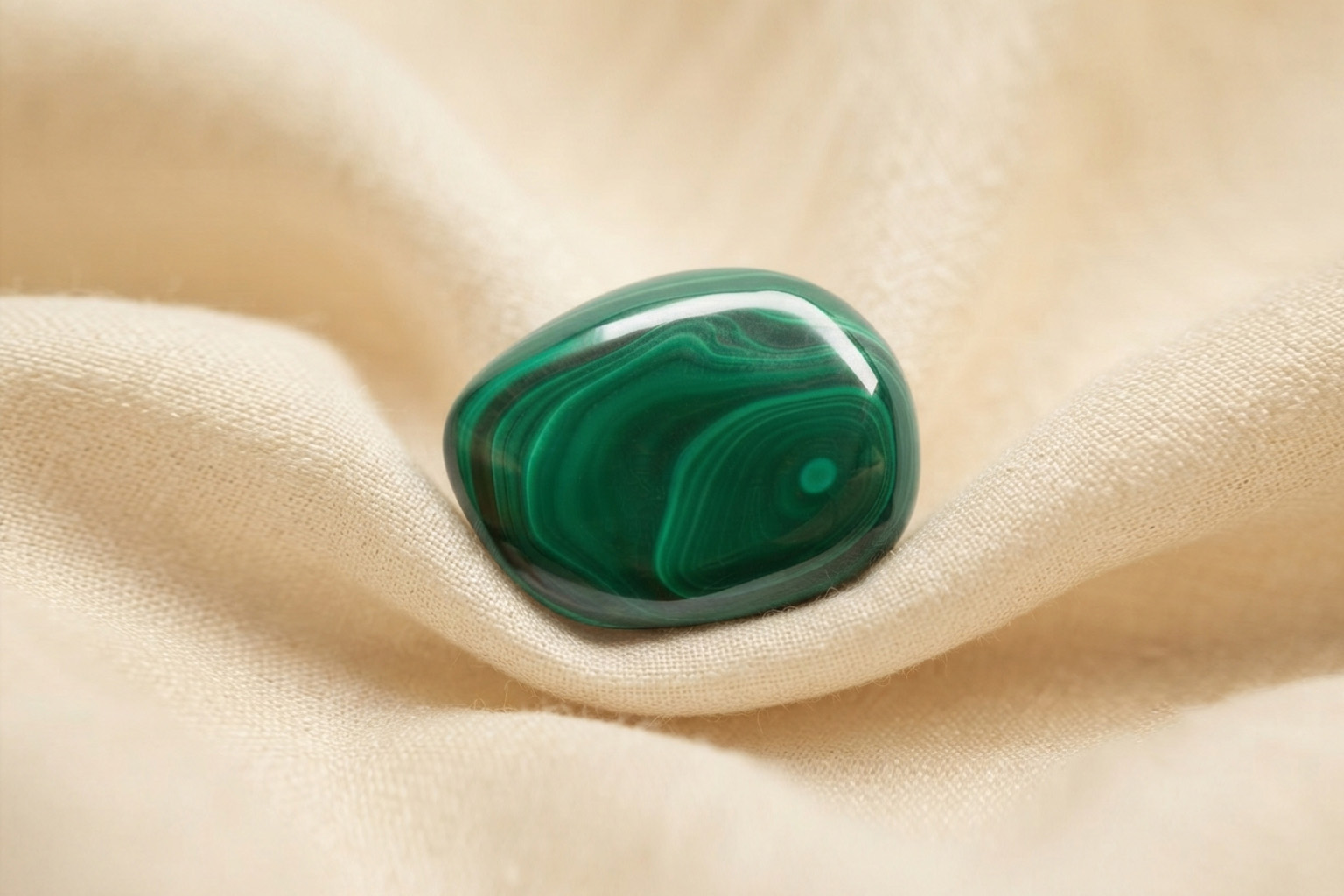
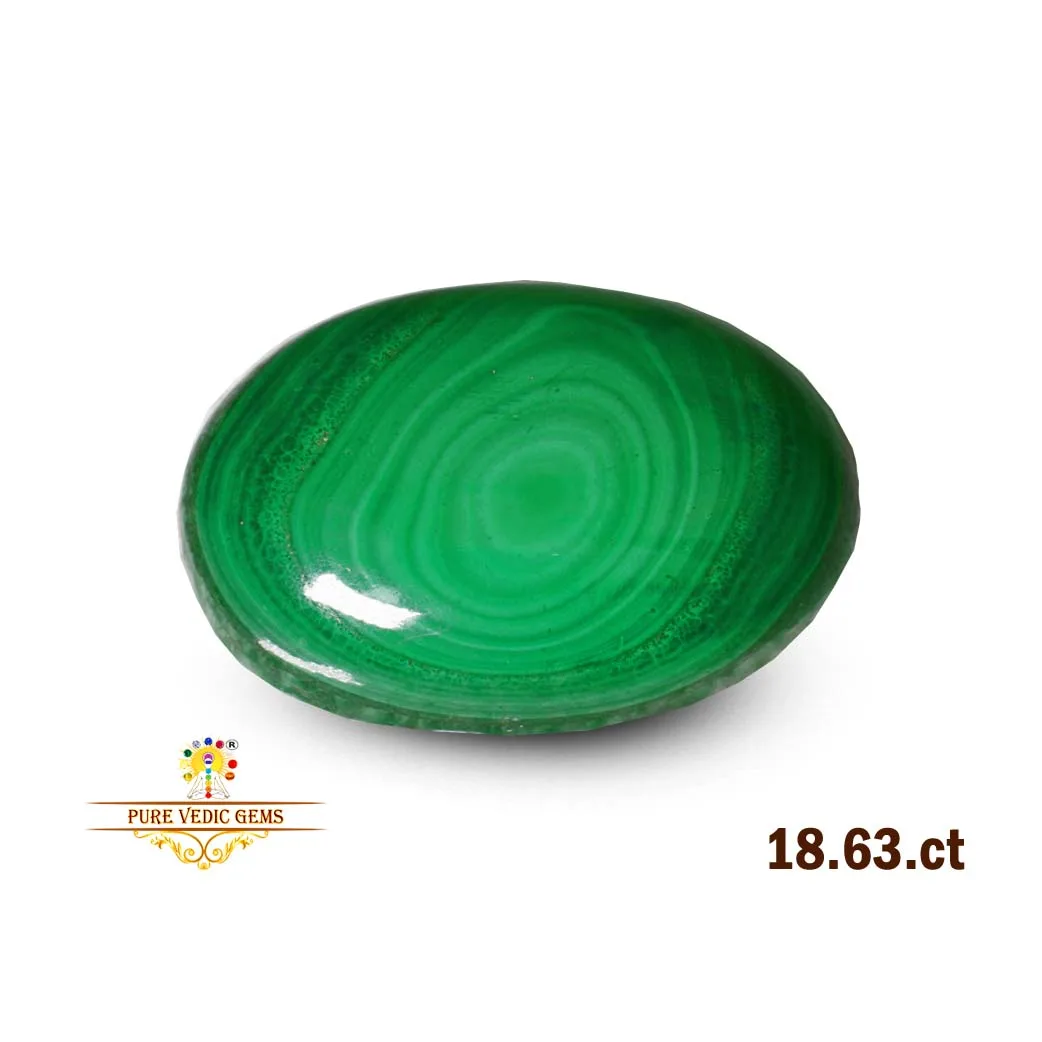
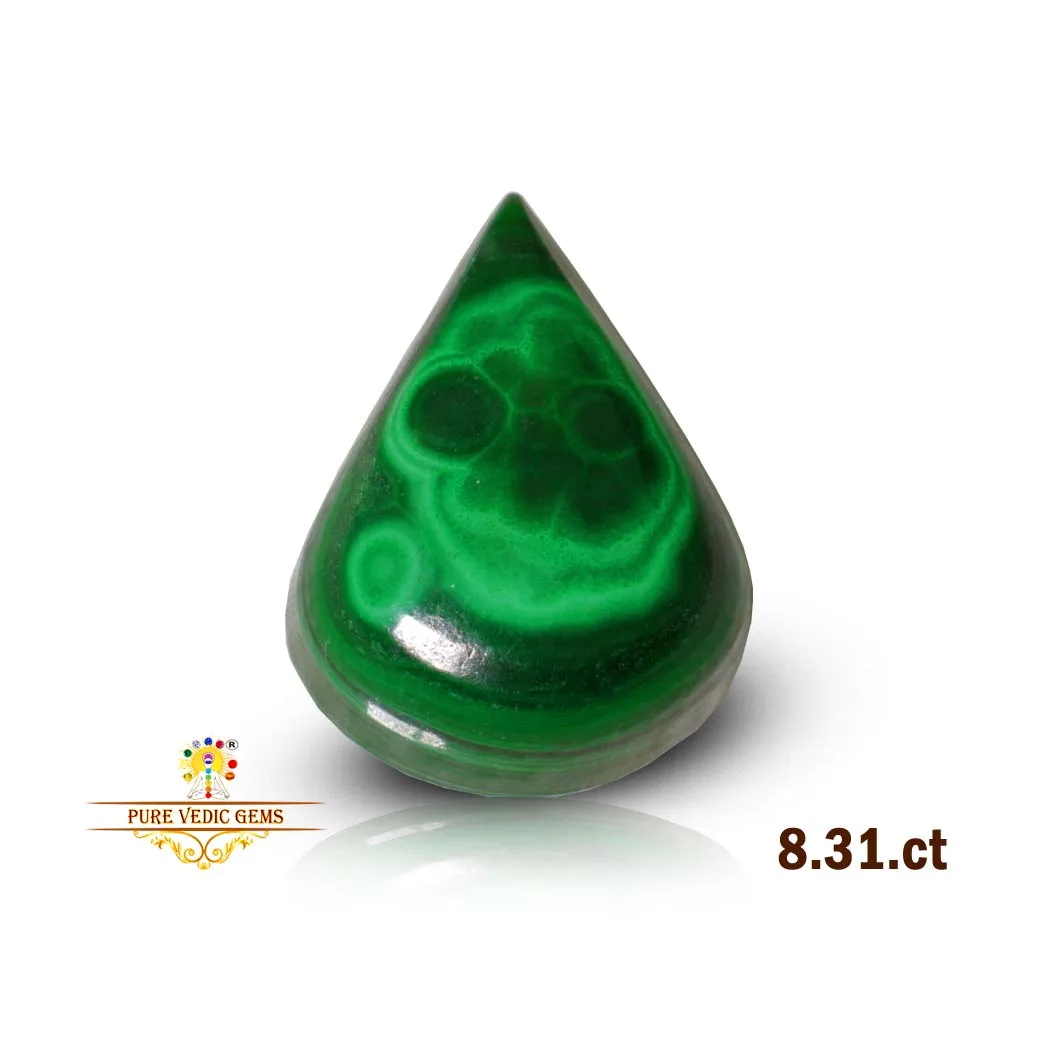
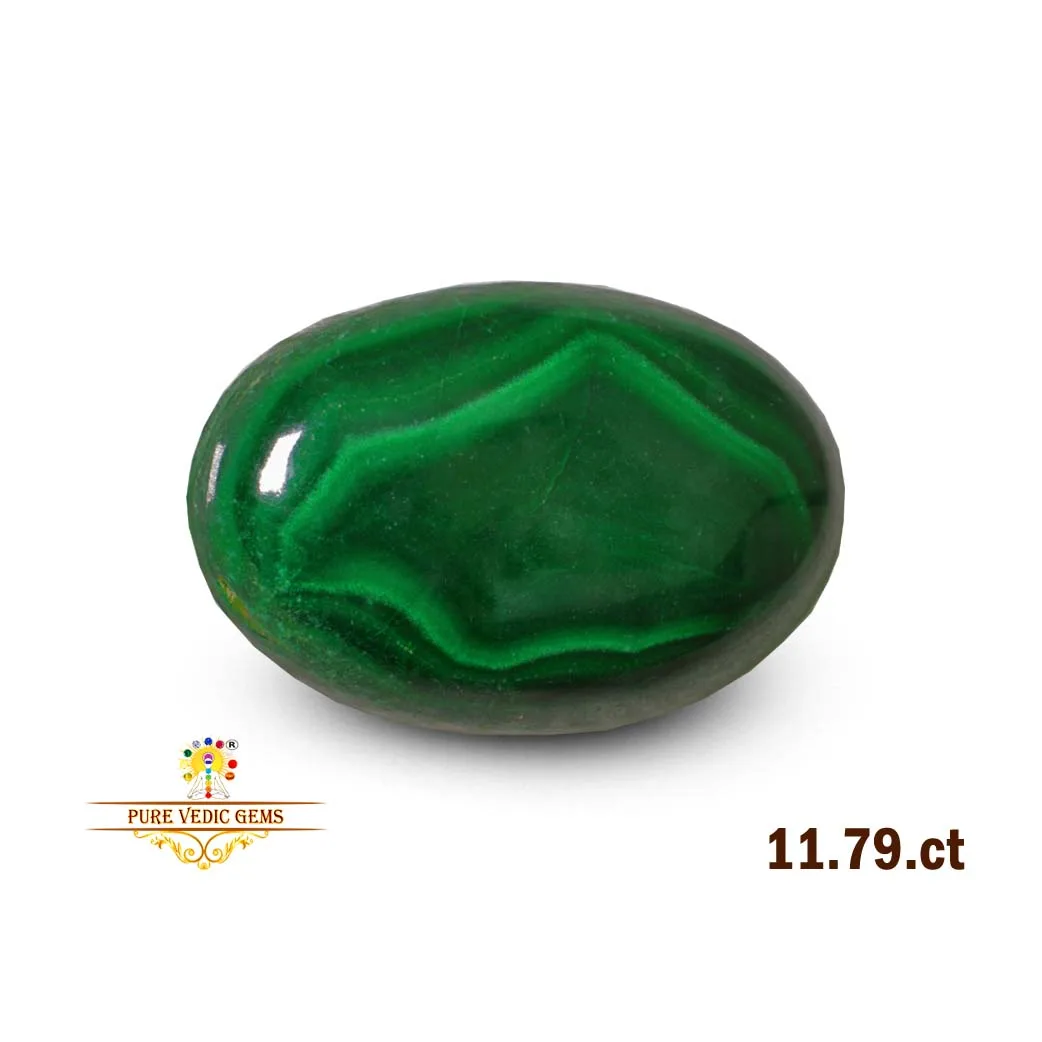
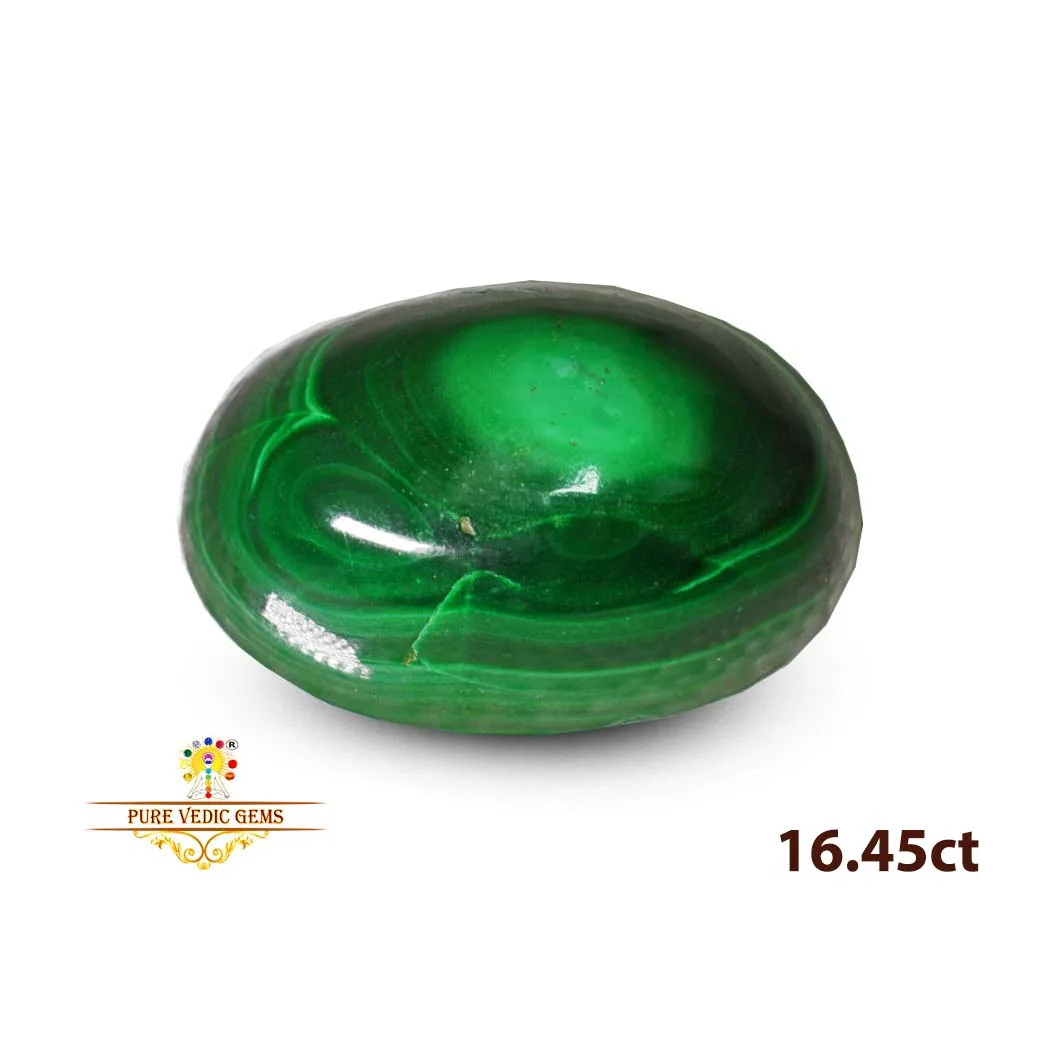
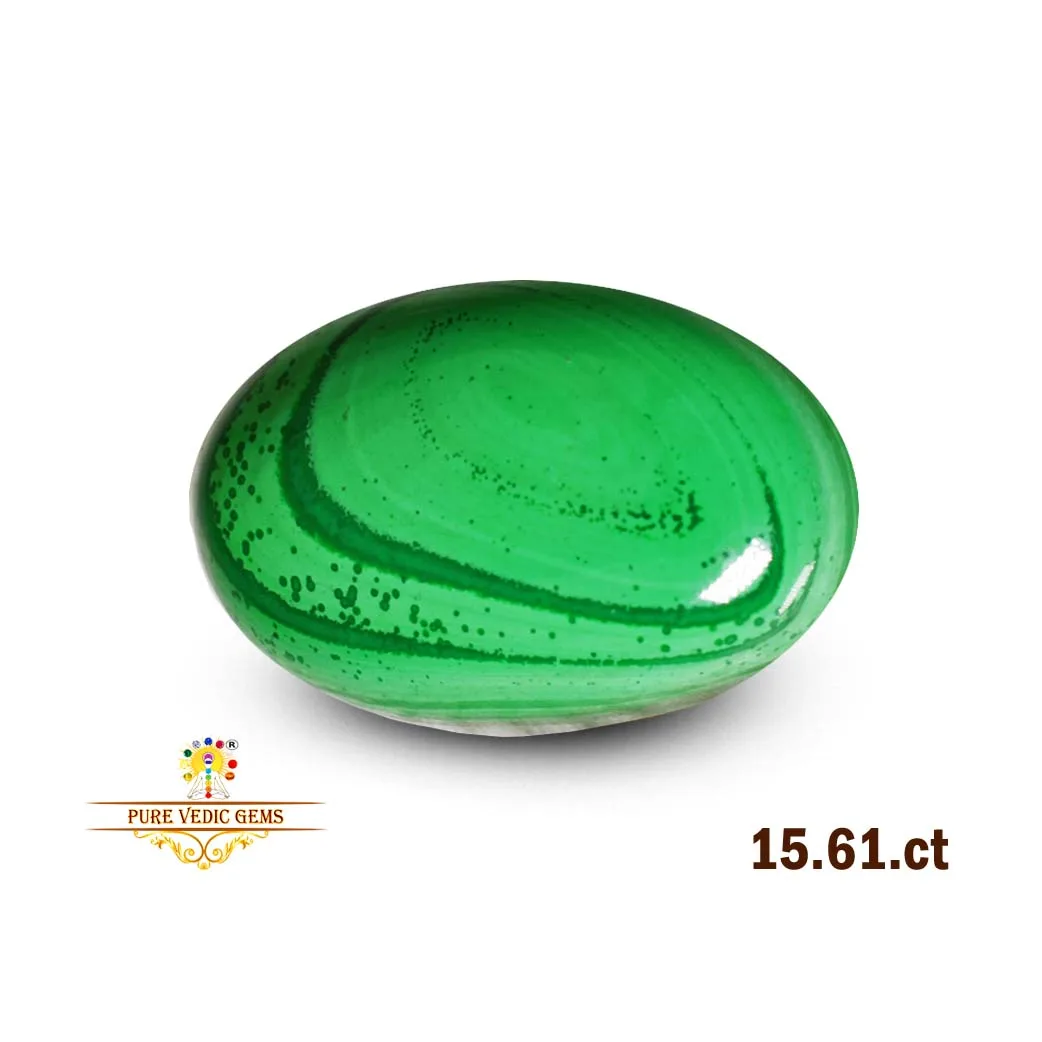
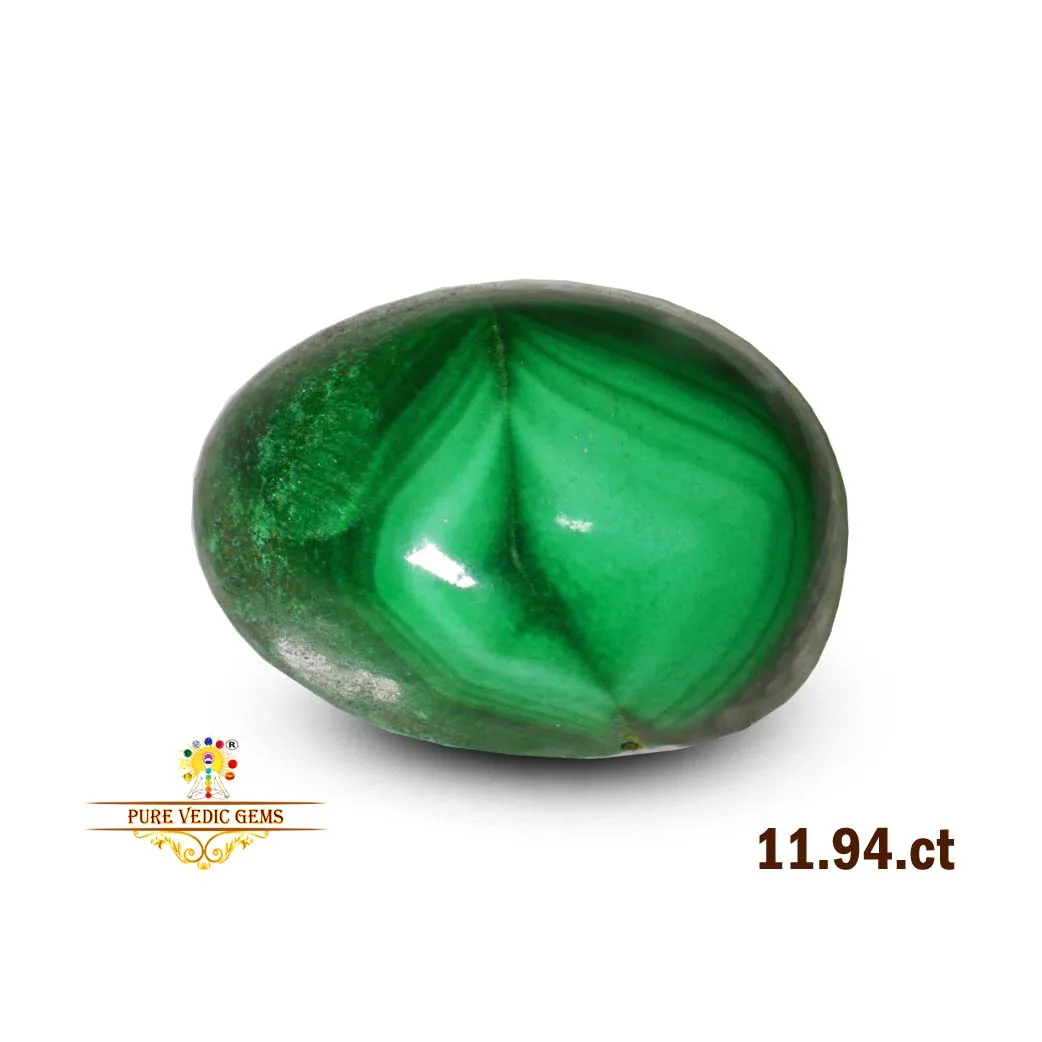
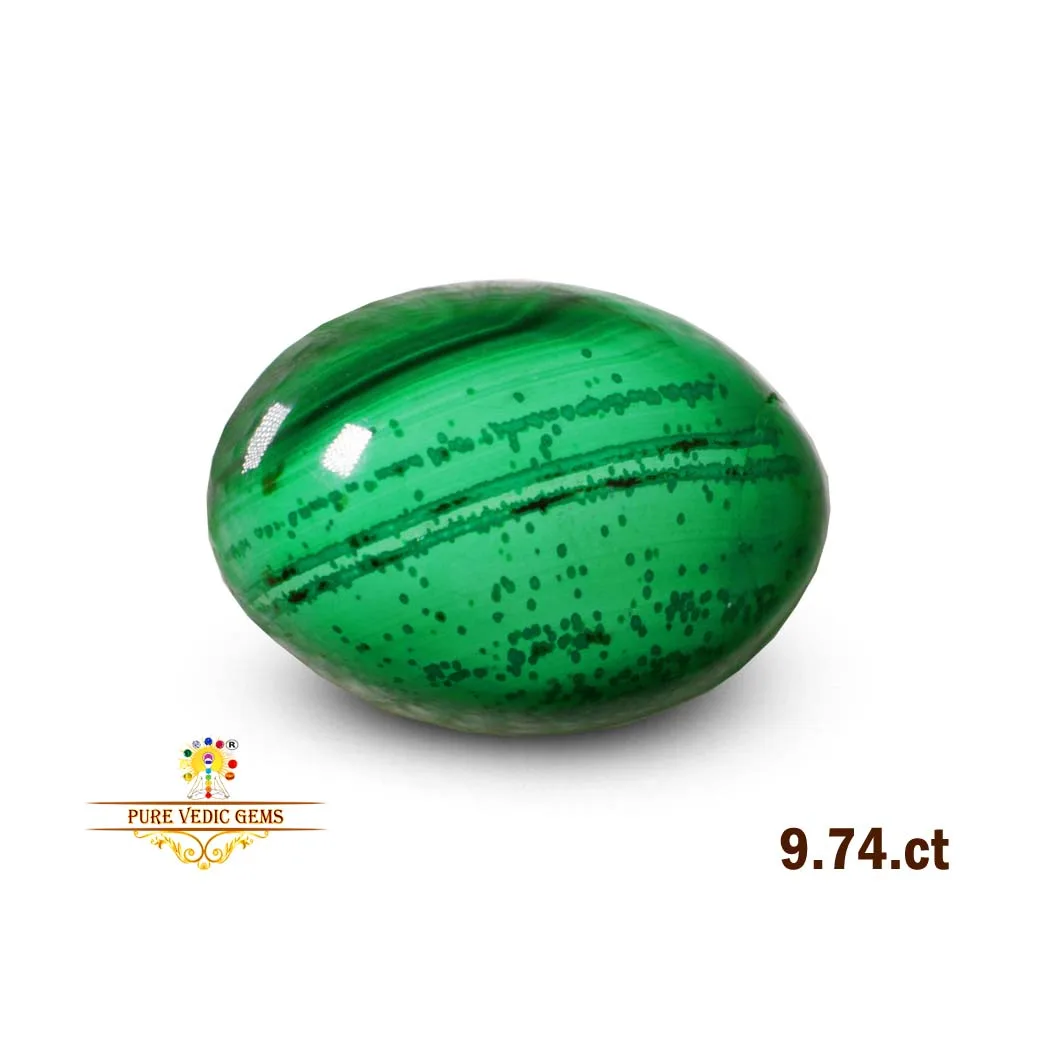
Malachite is copper carbonate hydroxide — Cu₂CO₃(OH)₂ — with characteristic green banding. Mohs hardness is 3.5–4, making it soft and sensitive to acids.
Not a classical Navaratna, Malachite appears in modern Jyotish and folk practice as a Shukra support stone for artists and healers, and occasionally as a Budh green alternative — chart determines use. Gemstone remedies are chart-specific. Always consult a qualified Jyotish astrologer before wearing any stone for planetary purposes.
Democratic Republic of Congo, Zambia, and Russia (Ural) produce notable specimens. Malachite often occurs with azurite.
| Mineral family | Copper carbonate |
| Typical colour | Banded deep green |
| Mohs hardness | 3.5–4 (soft) |
| Vedic association | Venus (Shukra) — folk upratna |
If prescribed, wear on Friday during Shukra Hora as a pendant or brooch rather than a daily ring — softness favors protected mounts. Chant Shukra beej mantra after purification.
Never ingest or use malachite gem elixirs — copper content is toxic if misused in water remedies.
Keep away from sweat and water during wear; skin contact through sealed bezel backs is typical.
Considered for creative professionals, designers, and those seeking gentle Venus support when Diamond or White Sapphire is contraindicated.
Not suitable for rough daily ring wear or for children. Chart analysis mandatory — copper gems are not universal remedies.
Gemstone remedies are chart-specific. Always consult a qualified Jyotish astrologer before wearing any stone for planetary purposes.
Associated with transformation, artistic inspiration, and heart-centered expression under Shukra's creative domain.
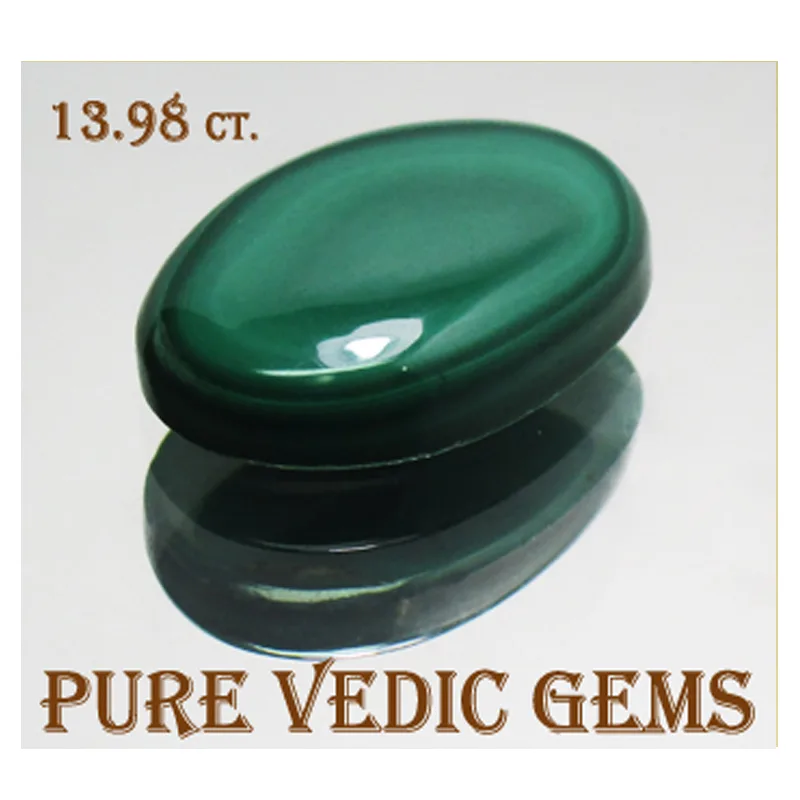
Large patterned cabochons make bold talismanic jewellery at modest cost.
Collectors value concentric "bull's eye" banding from Congo material.
Congolese malachite shows tight banding; fibrous malachite is chatoyant. Azurite-malachite mixes are decorative.
Reconstituted malachite powder blocks are common — avoid for Jyotish.
Dyed resin imitations lack specific gravity ~3.6–4.0.
Sharp band contrast and polish quality drive price. Large slabs for pendants are affordable; fine cabochons with minimal pits are premium.
For astrology, natural banding and untreated colour matter more than flawless polish.
| Pattern | Even concentric bands preferred |
| Colour | Deep green without black streaking excessive |
| Polish | Glossy without epoxy fill (verify) |
| Structure | Solid natural, not reconstituted |
Pendants, brooches, and cufflinks suit malachite best. If set in rings, choose occasional-wear bezel mounts.
Silver and copper alloys complement green tones in Shukra-themed designs.
Wipe dry only — water and acids damage malachite. Never ultrasonic, steam, or jewelry dip.
Store flat; soft stone scratches easily. Keep away from children and pets.
Reconstituted and plastic malachite abound. Toxic copper dust during cutting — buy finished stones from reputable sellers.
Do not use for gem water or oral remedies — copper toxicity risk.
Finished jewellery is generally safe with normal wear. Avoid ingestion, gem elixirs, and inhaling dust from raw cutting. Not recommended for unsupervised children.
Green colour links it to Budh in some folk lists and Shukra in others. Your astrologer must specify — do not self-prescribe by colour alone.
Not ideal — hardness 3.5–4 scratches and pits quickly. Pendants are safer.
Specific gravity near 4, banded structure, and cold touch. Plastic is lighter and too uniform.
Friday purification and Shukra mantra are standard if prescribed. Malachite is porous — avoid water during puja dips; use dry flowers and incense.
Emerald is precious beryl and primary Budh ratna. Malachite is a soft copper carbonate folk talisman — vastly different in value, durability, and classical status.