 +91-9310172512
 +44-7831491778
 +971-526686526
Curating certified treasures
India UK UAE
+91-9310172512+44-7831491778+971-526686526 India UK UAE+91-9310172512+44-7831491778+971-526686526 India UK UAE
Curating certified treasures
Chrome Diopside is an intense green pyroxene increasingly used as a Mercury upratna when Emerald quality at target weight is financially ou…
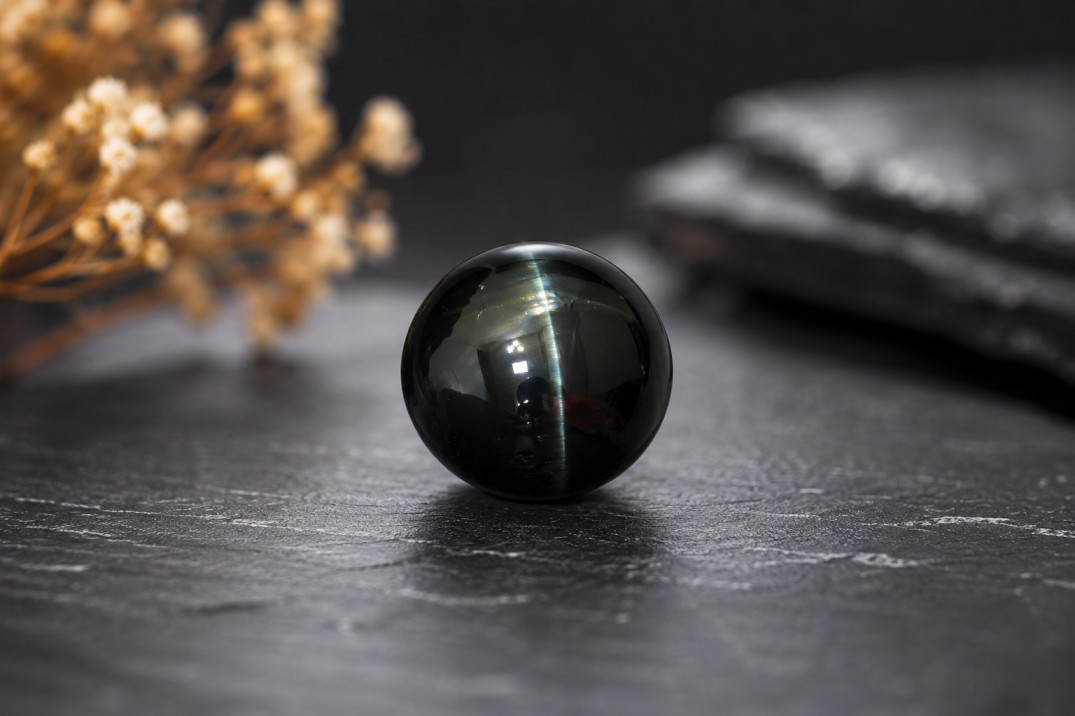
Diopside is calcium magnesium silicate — CaMgSi₂O₆ — with chrome-rich varieties showing emerald-like green from chromium. Mohs hardness 5.5–6.5.
Russian chrome diopside from the Ural region popularized the gem in the 1980s. Jyotish retailers list it as a Budh upratna alongside Peridot when Panna is not worn. Gemstone remedies are chart-specific. Always consult a qualified Jyotish astrologer before wearing any stone for planetary purposes.
Also found in Pakistan, Myanmar, and Italy (violane blue variety — different mapping).
| Mineral family | Pyroxene (inosilicate) |
| Key variety | Chrome diopside (green) |
| Mohs hardness | 5.5–6.5 |
| Vedic association | Mercury (Budh) — upratna for Panna |
Wear on Wednesday on little finger in gold or Panchdhatu during Budh Hora. Chant Budh mantra after purification.
Choose saturated chrome green with good transparency. Protective bezel settings recommended due to moderate hardness.
Do not wear with primary Emerald without astrological clearance.
Explored when Mercury needs green gem support at lower cost than emerald. Suitable for students, traders, and communicators if Budh is benefic.
Moderate hardness favors pendants or occasional-wear rings over harsh daily ring wear.
Gemstone remedies are chart-specific. Always consult a qualified Jyotish astrologer before wearing any stone for planetary purposes.
Delivers emerald-like green from natural chromium without emerald's fracture-filling concerns.
Affordable in 1–3 ct faceted sizes for practical upratna weights.
Distinct gemological identity — not confused with glass when tested.
Chrome diopside is the Jyotish-relevant green. Star diopside and violane (blue) are other varieties with different uses.
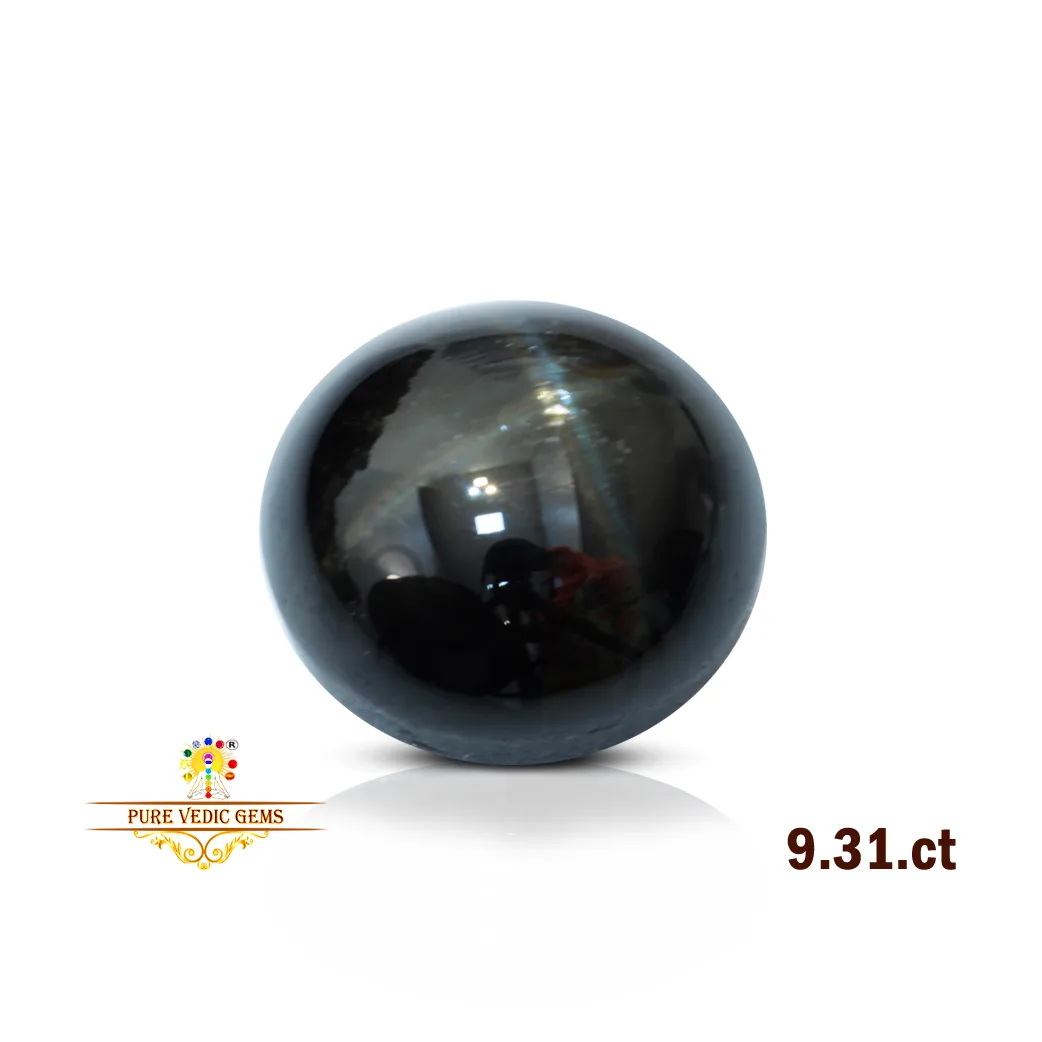
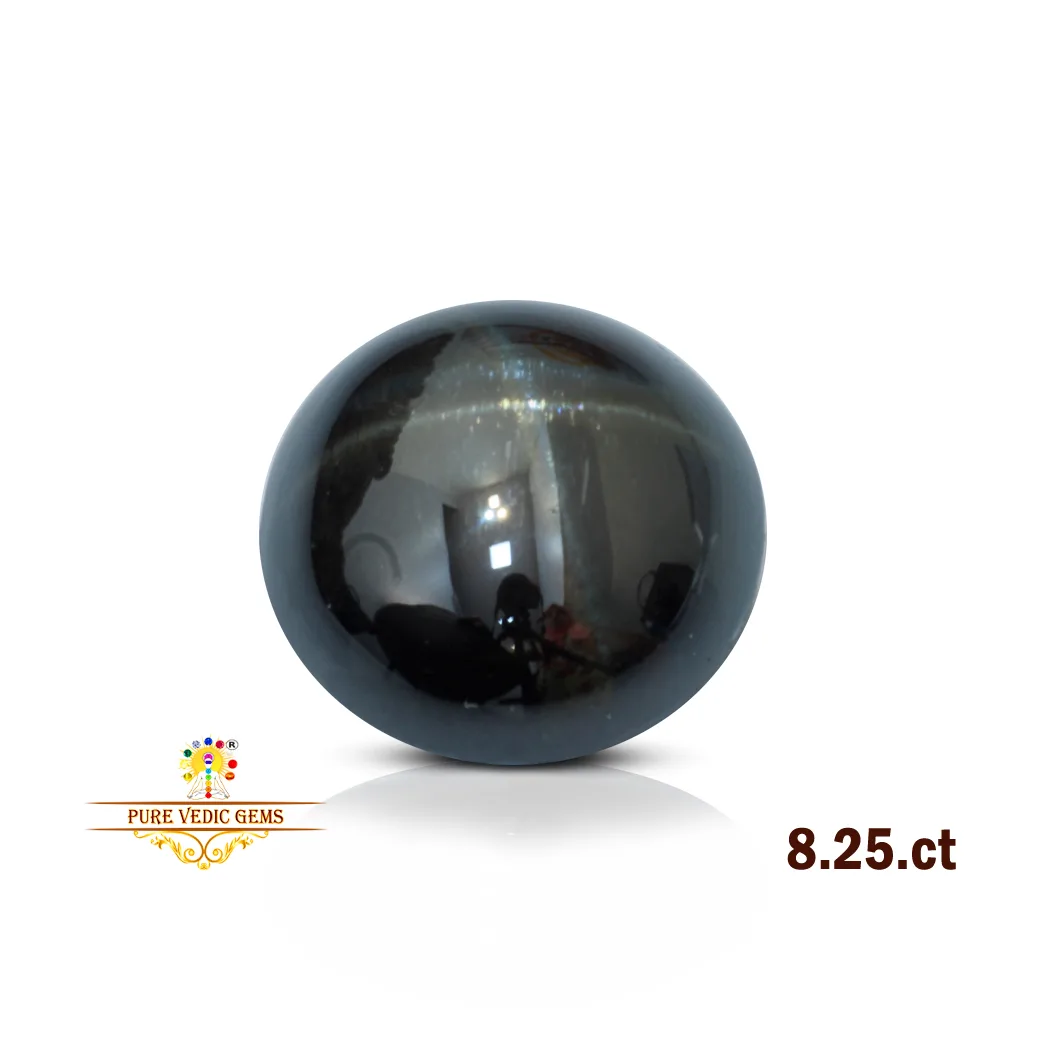
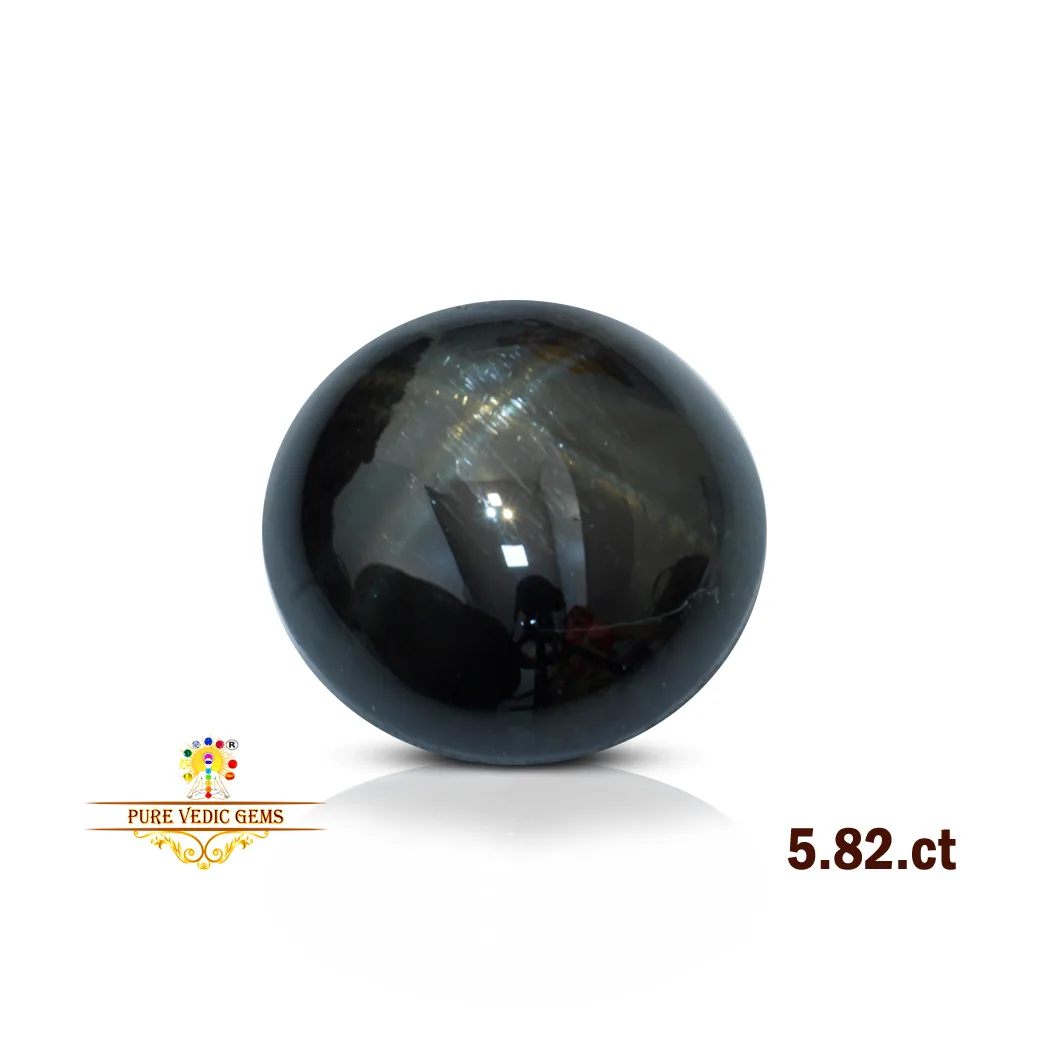
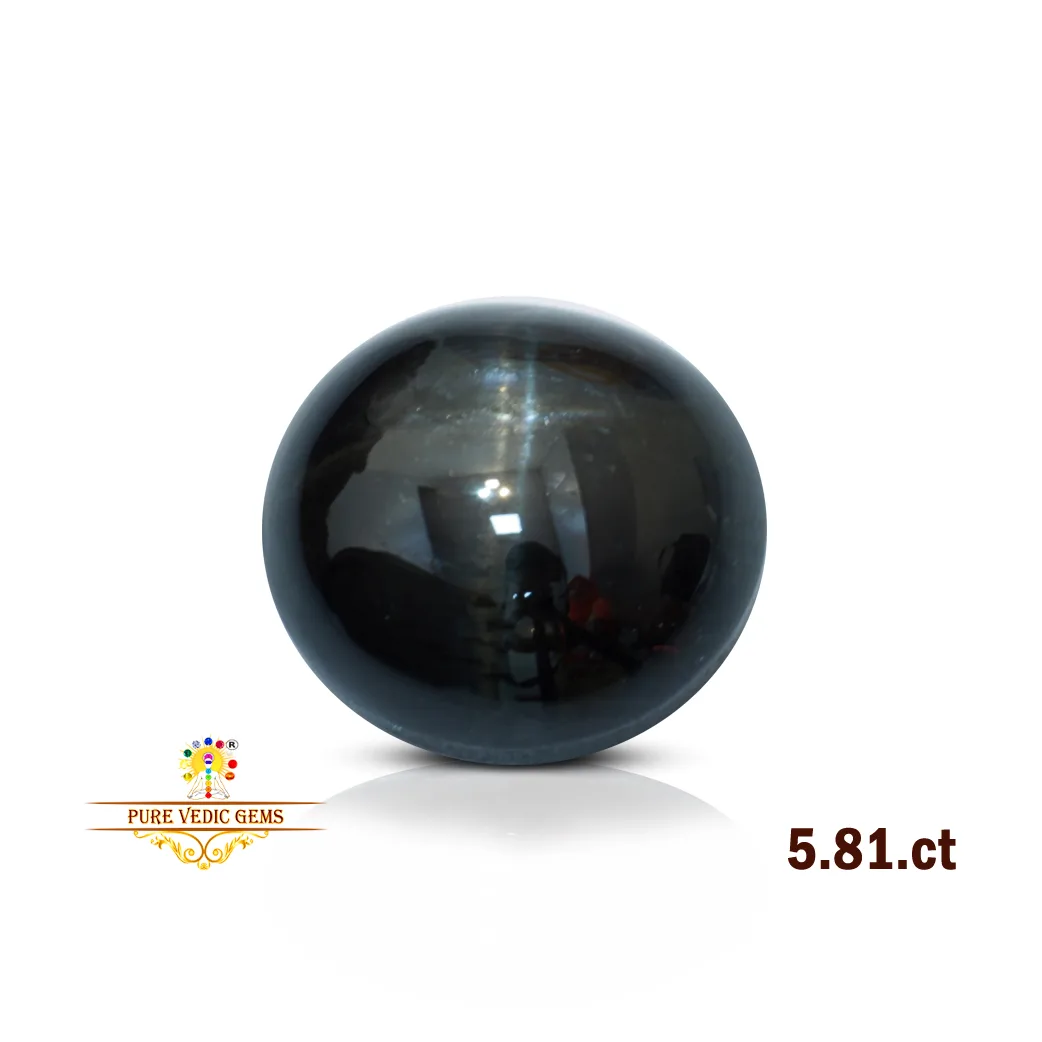
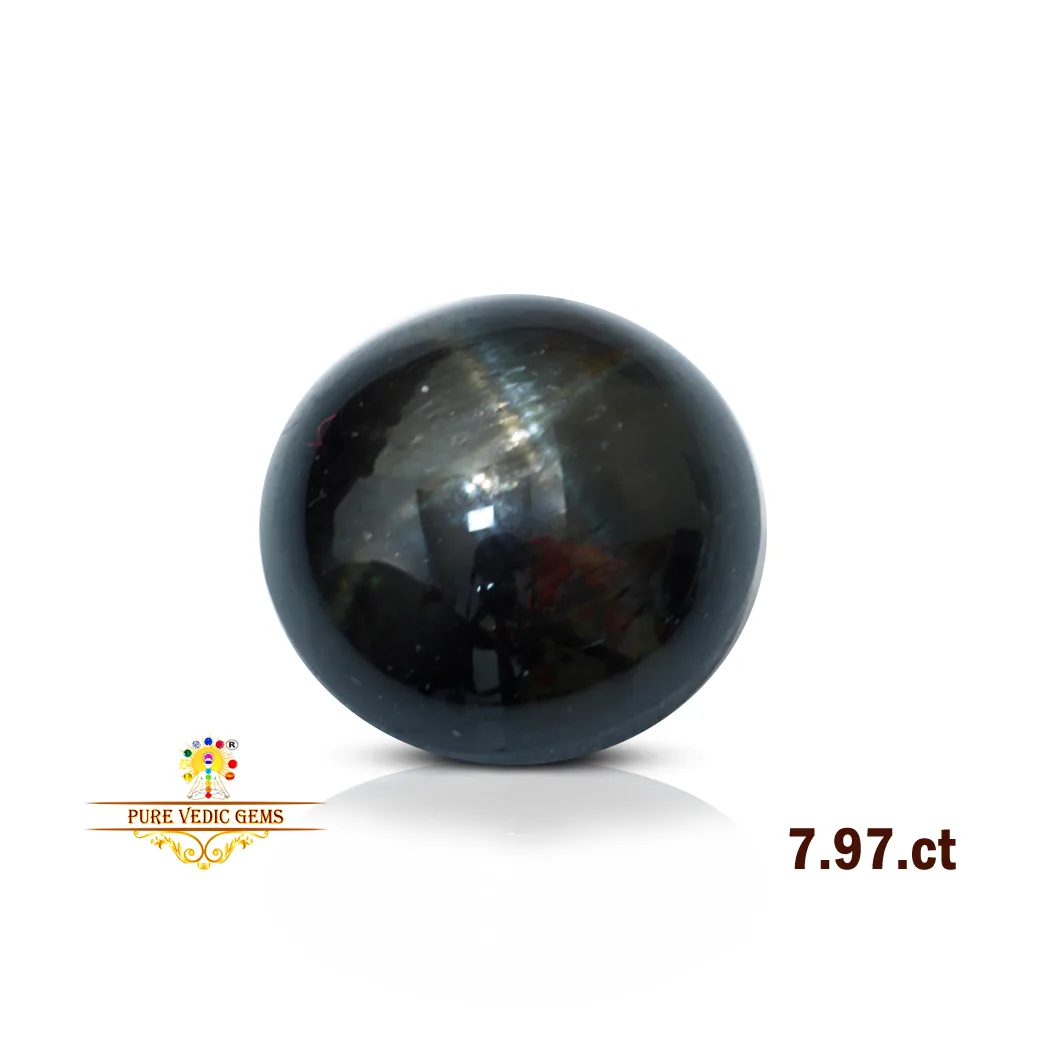
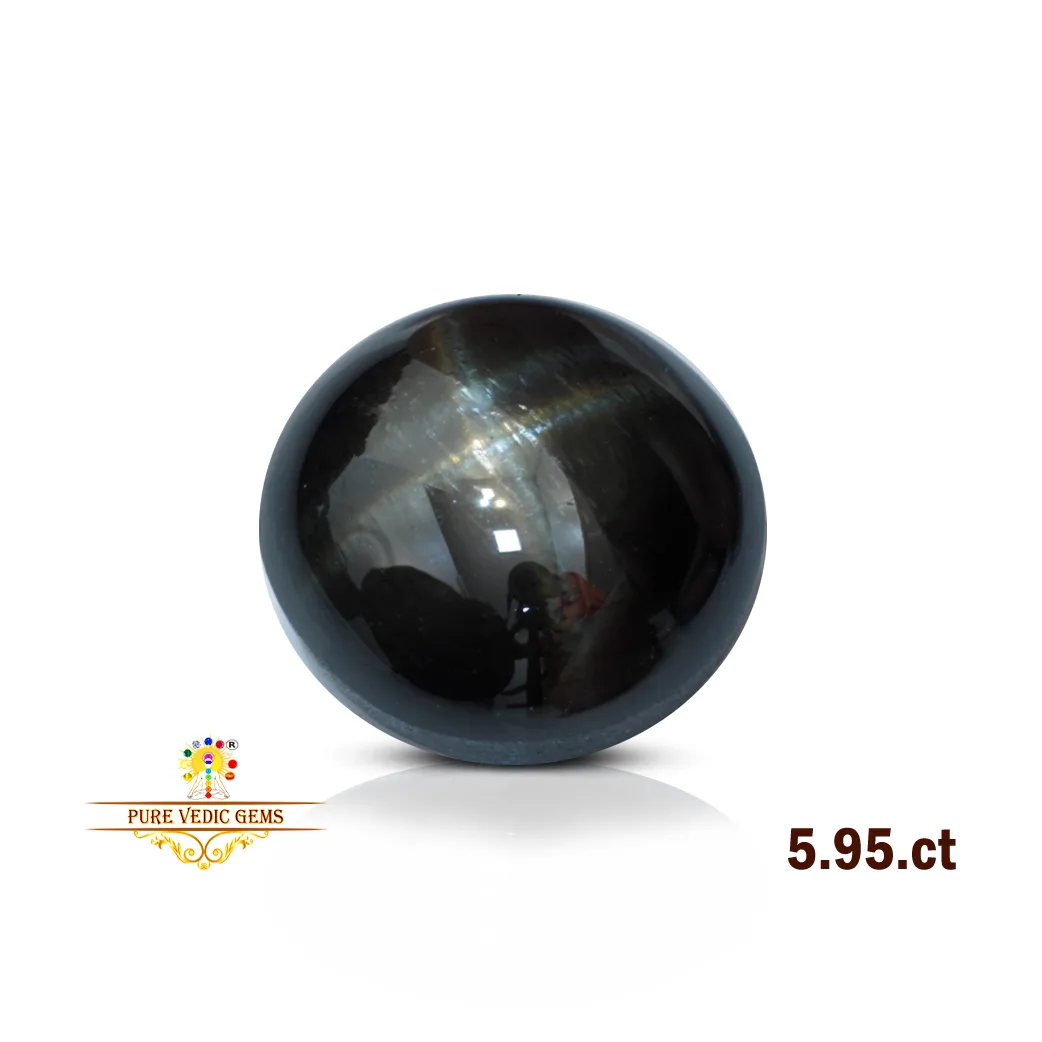
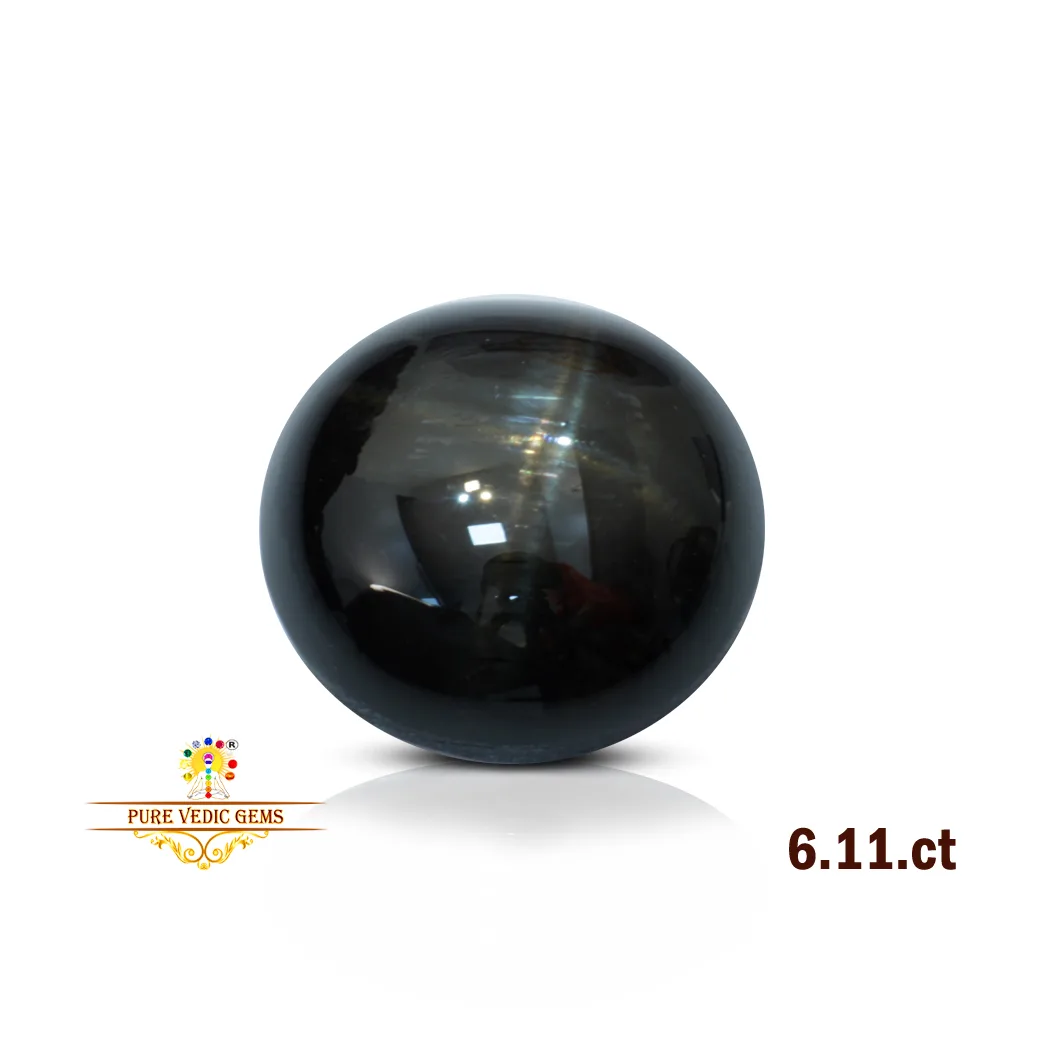
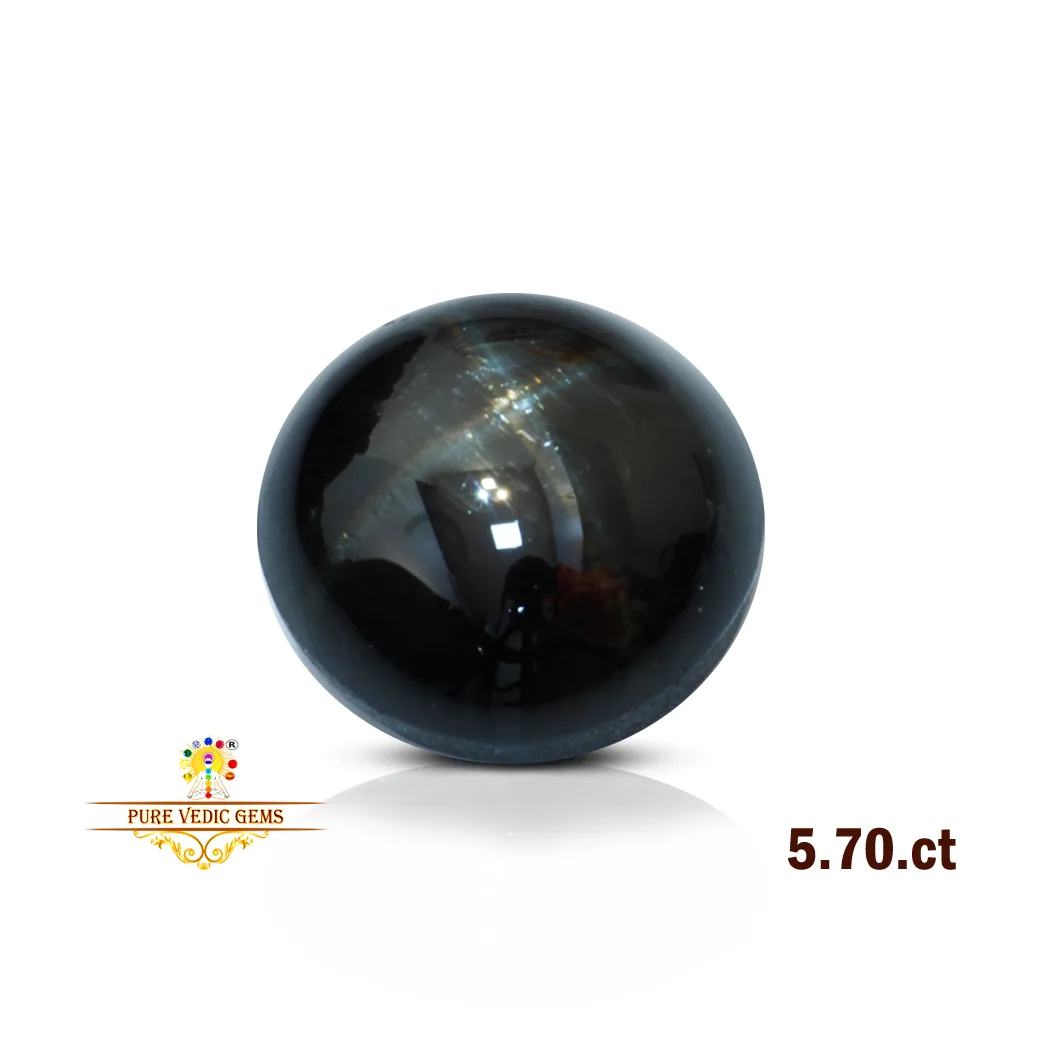
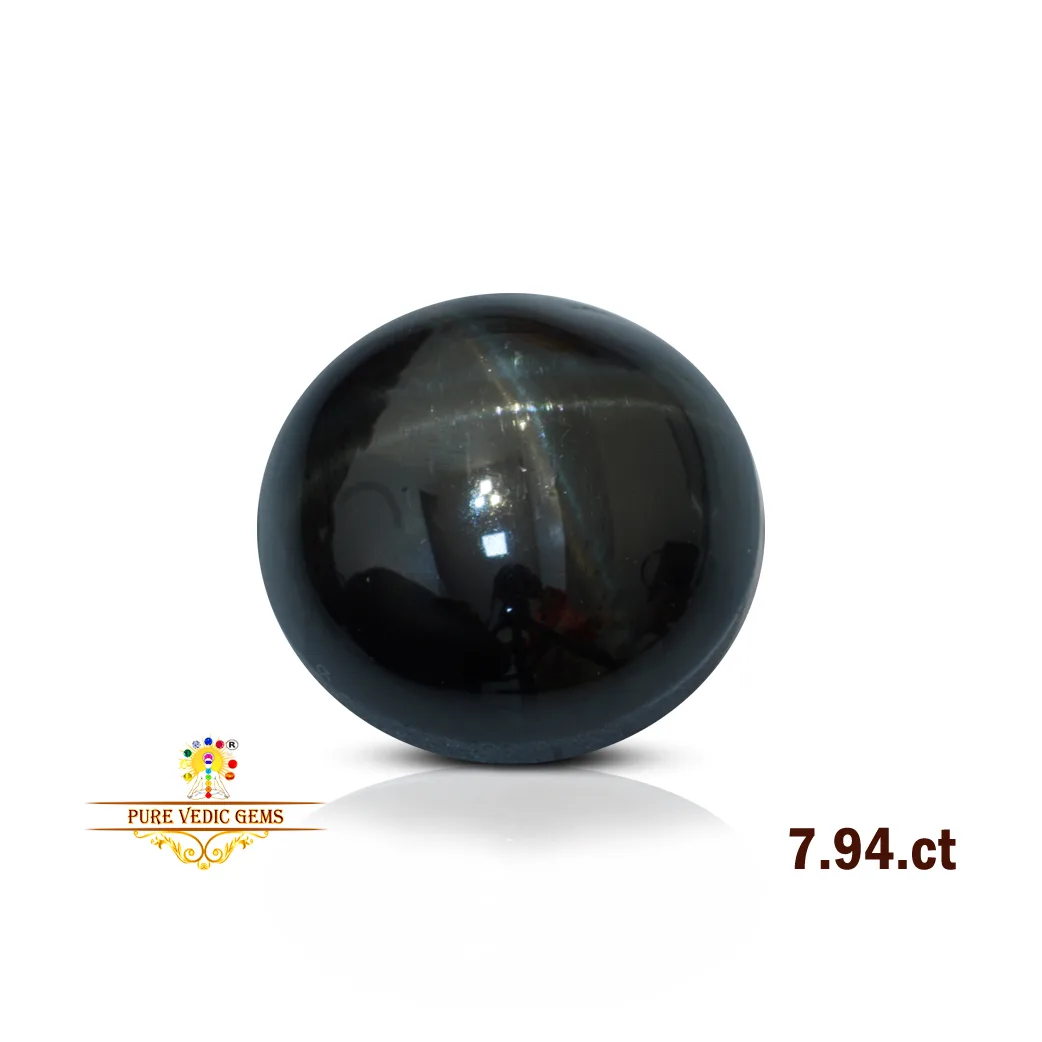
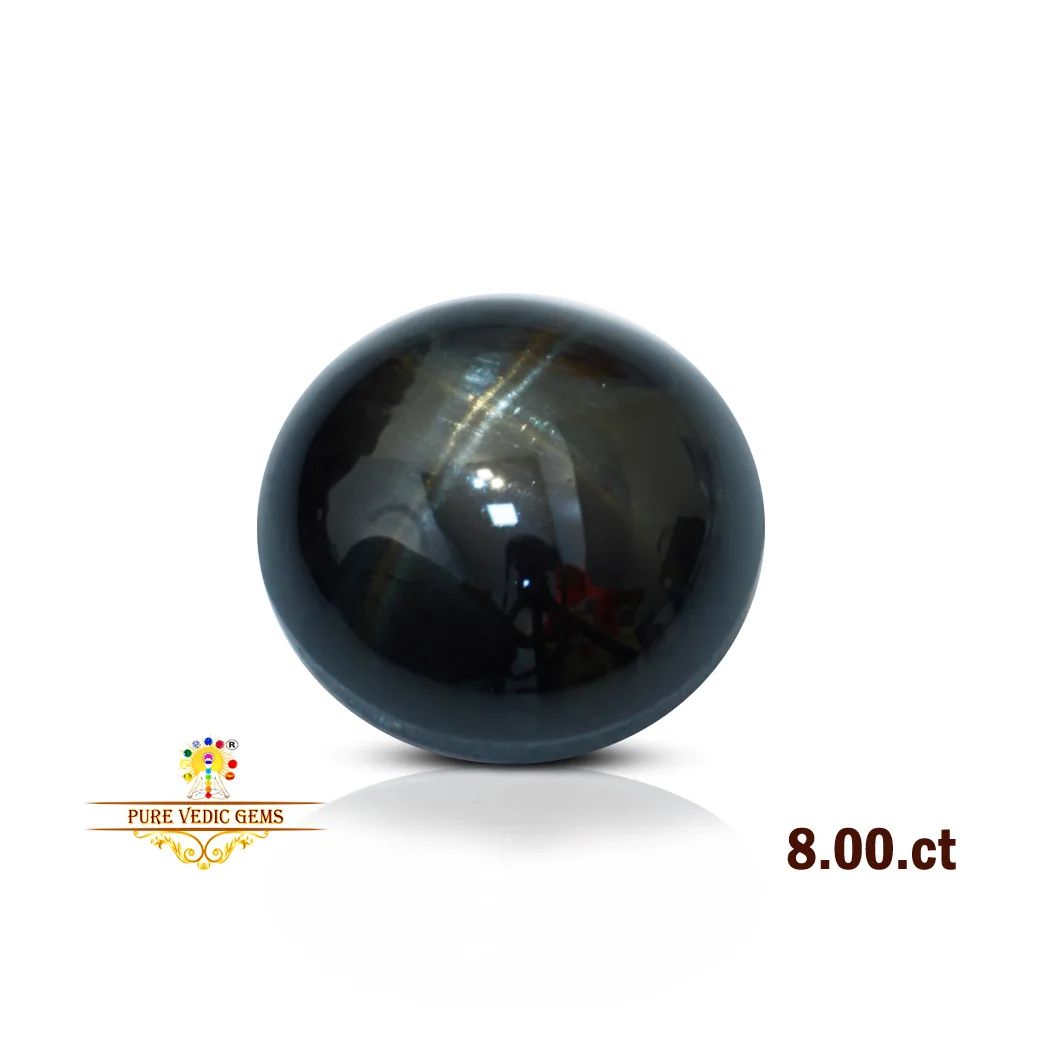
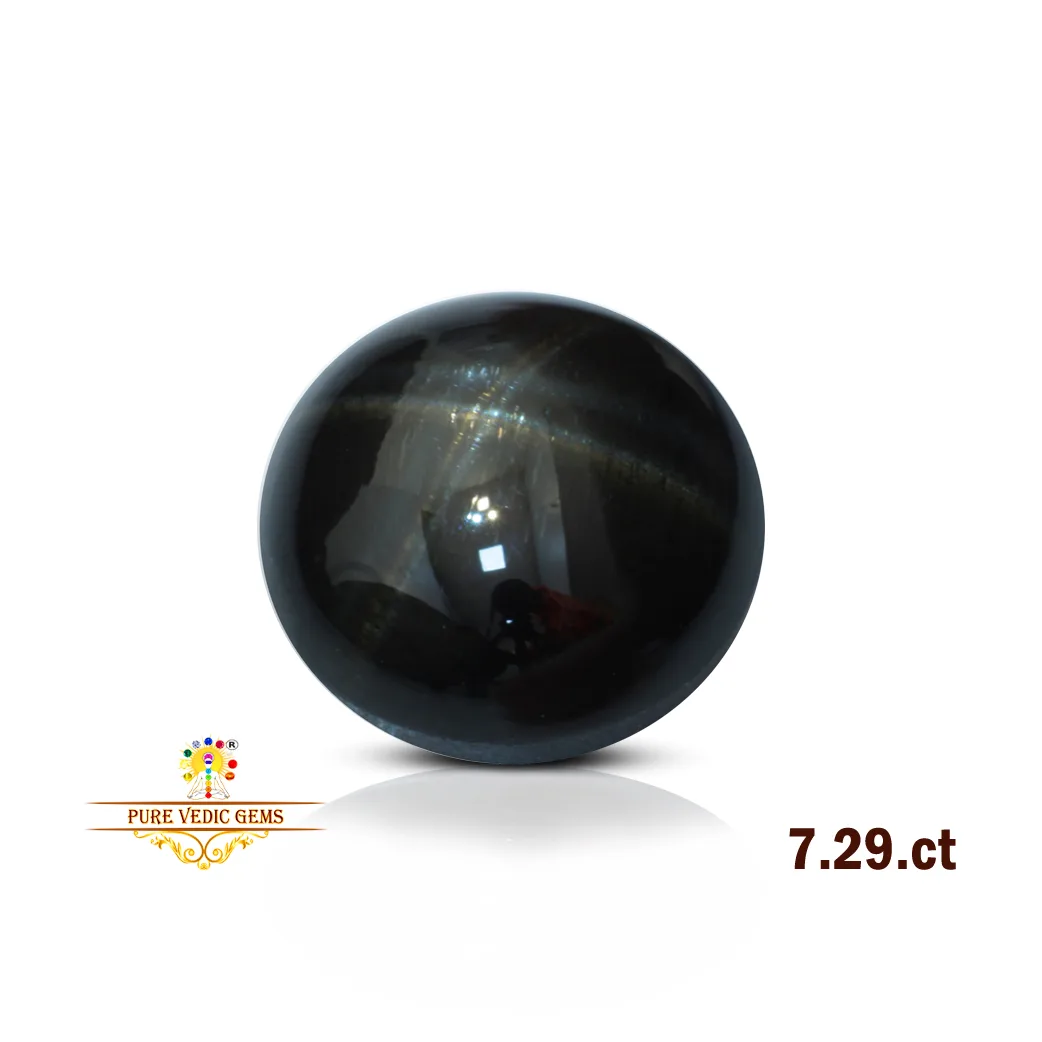
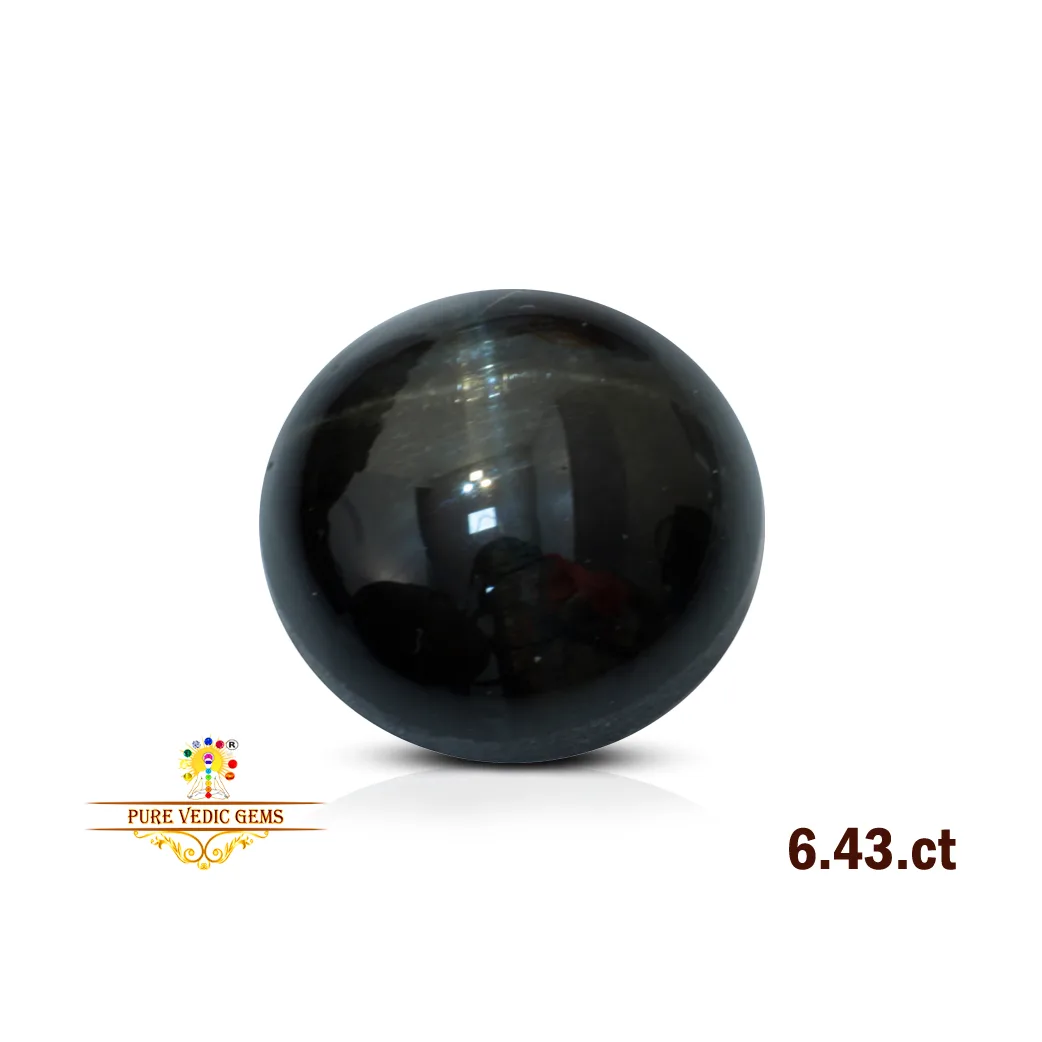
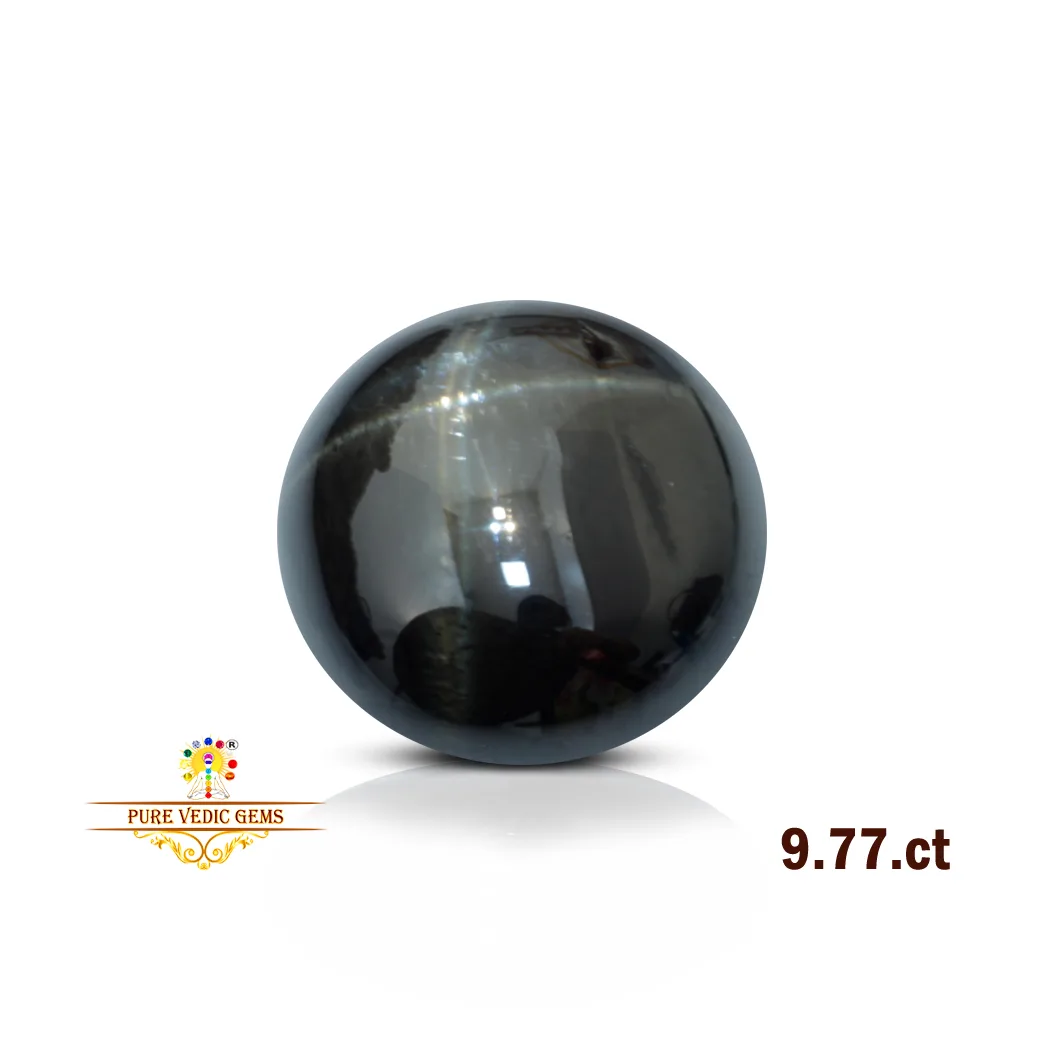
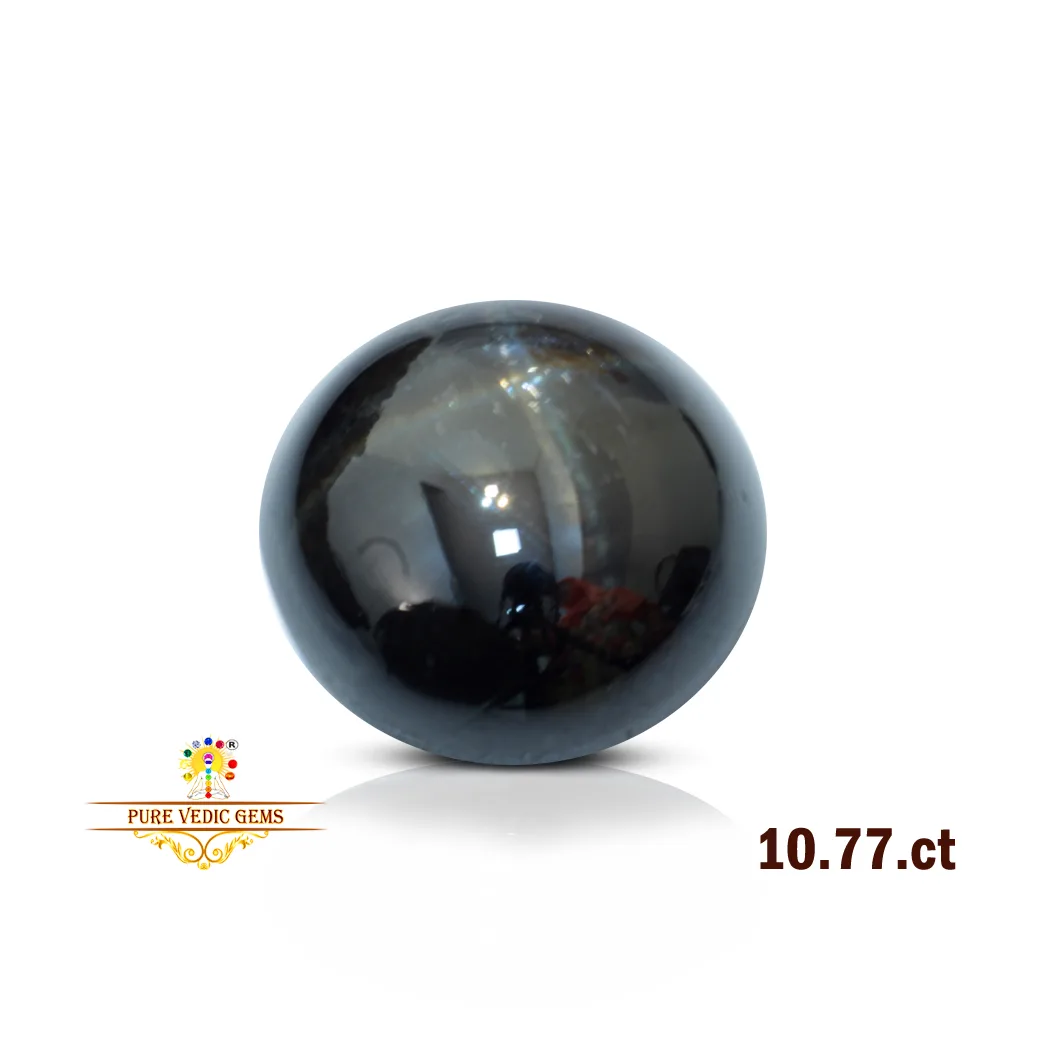
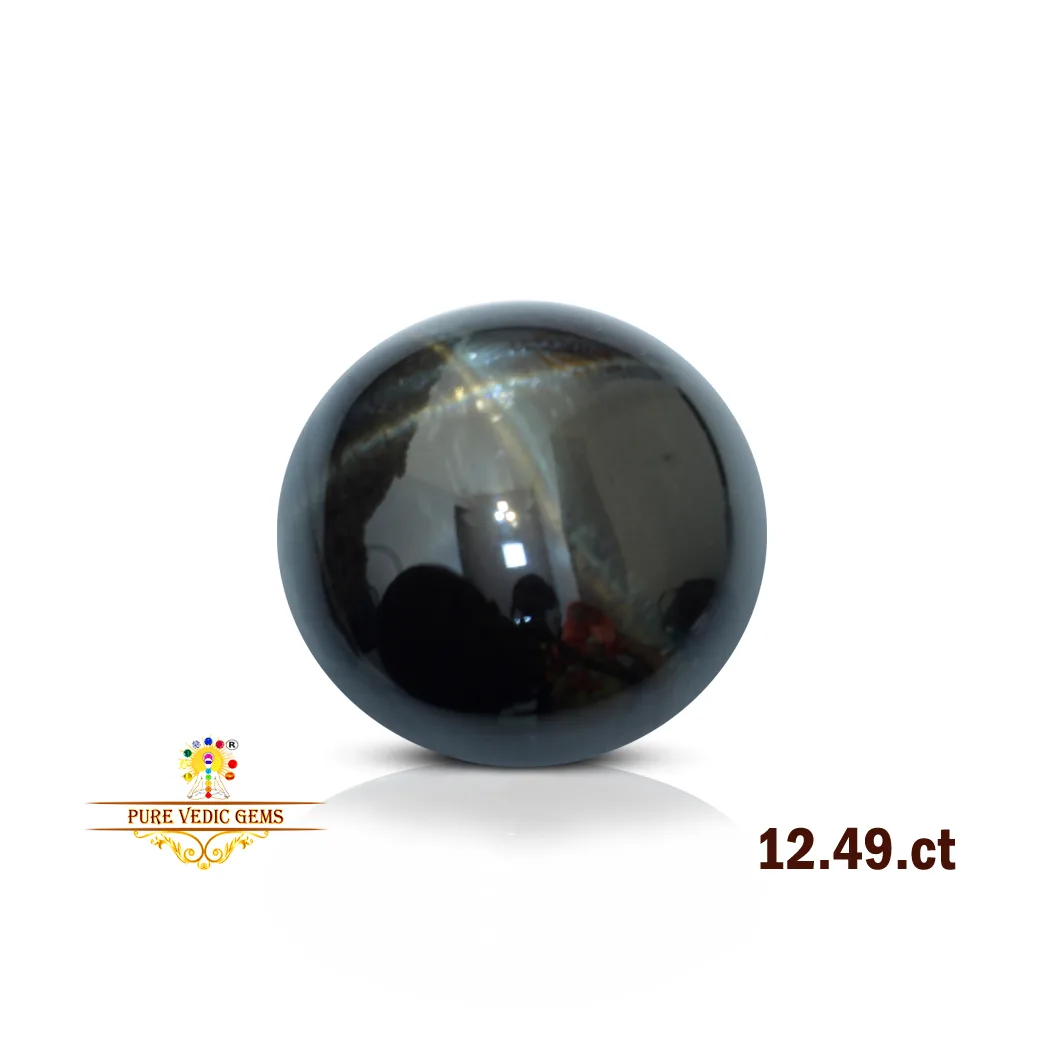
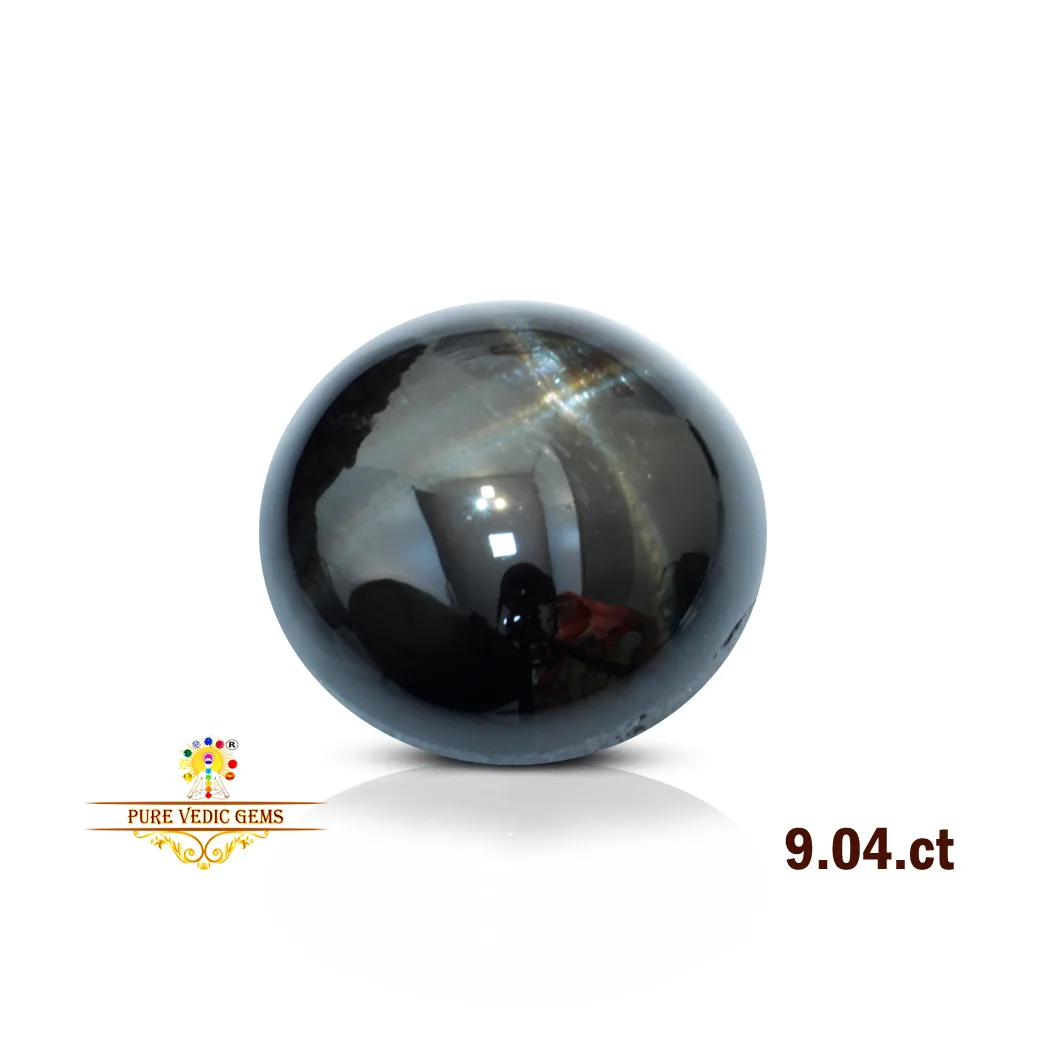
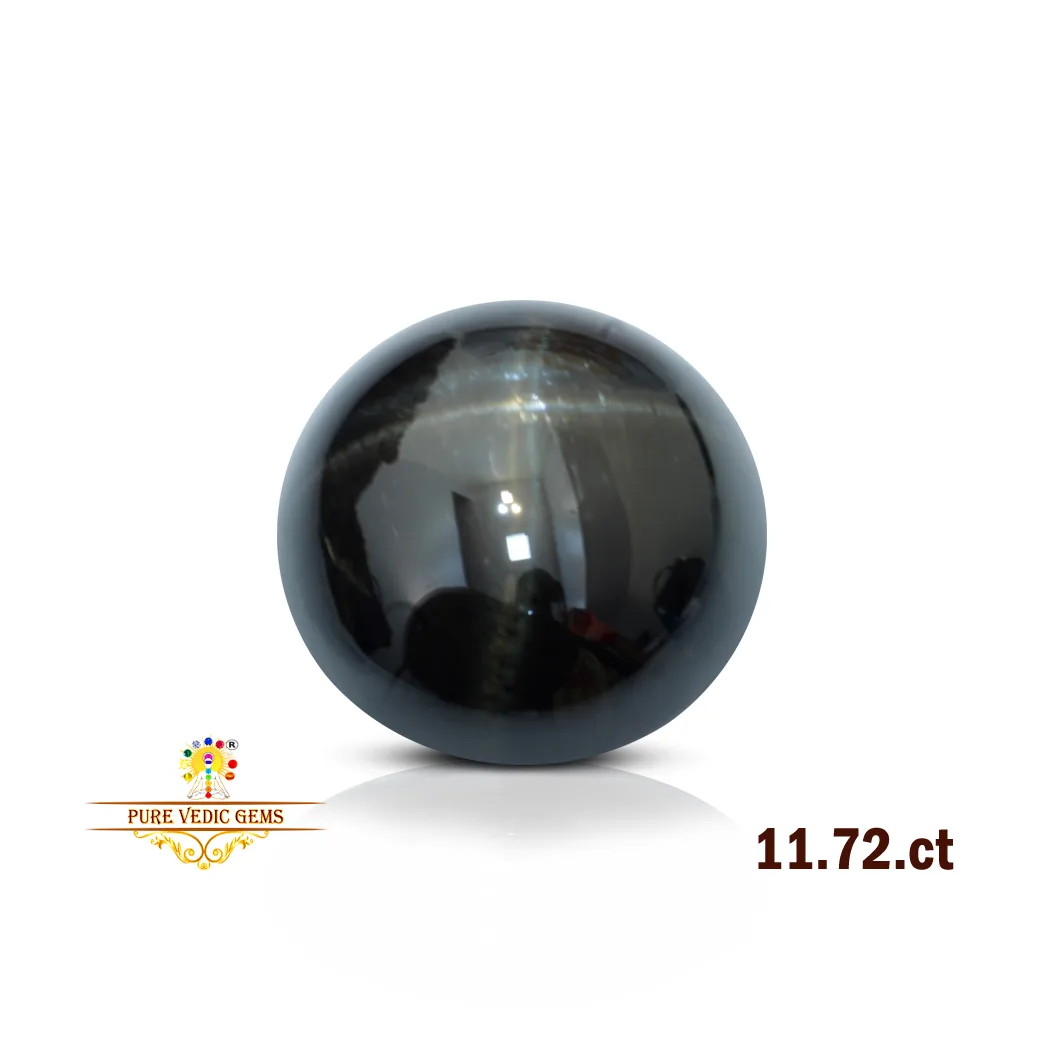
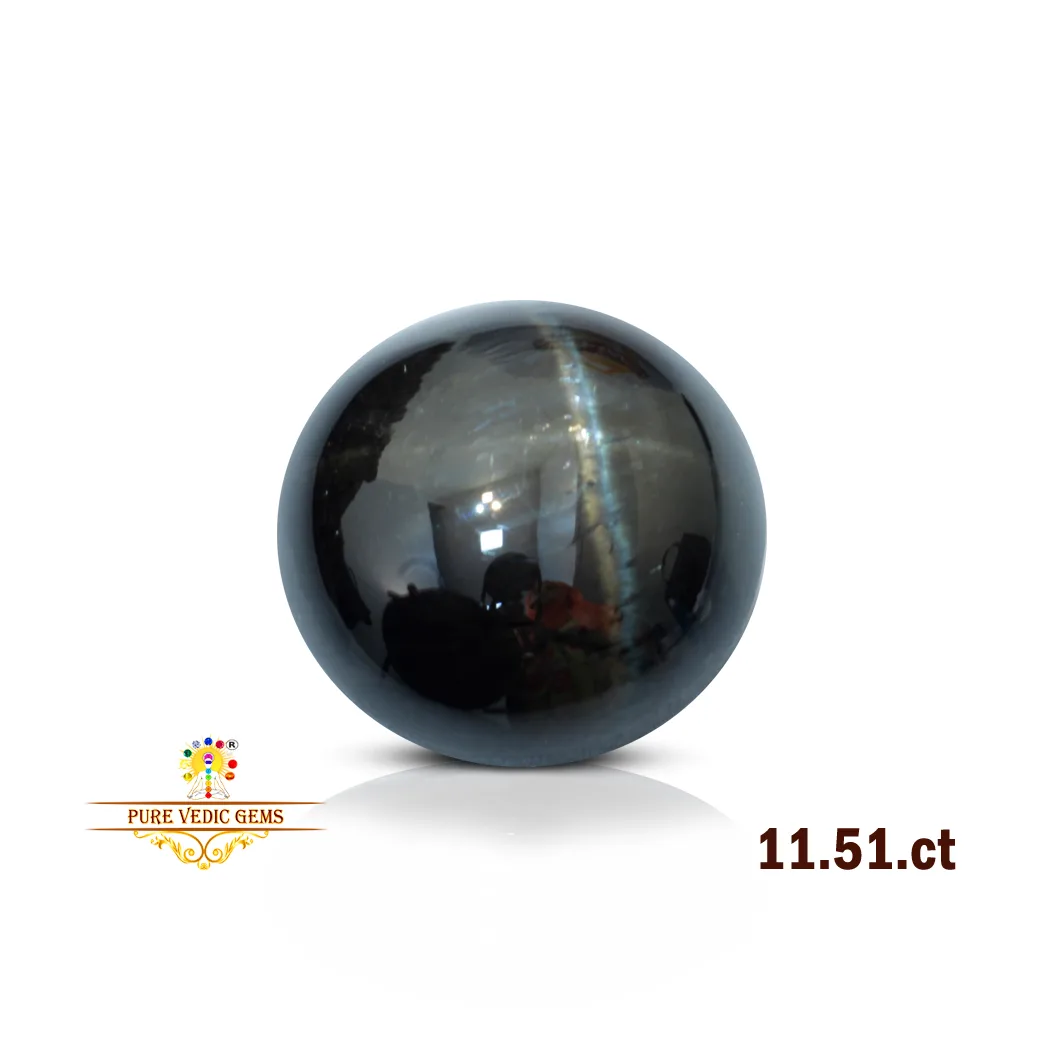
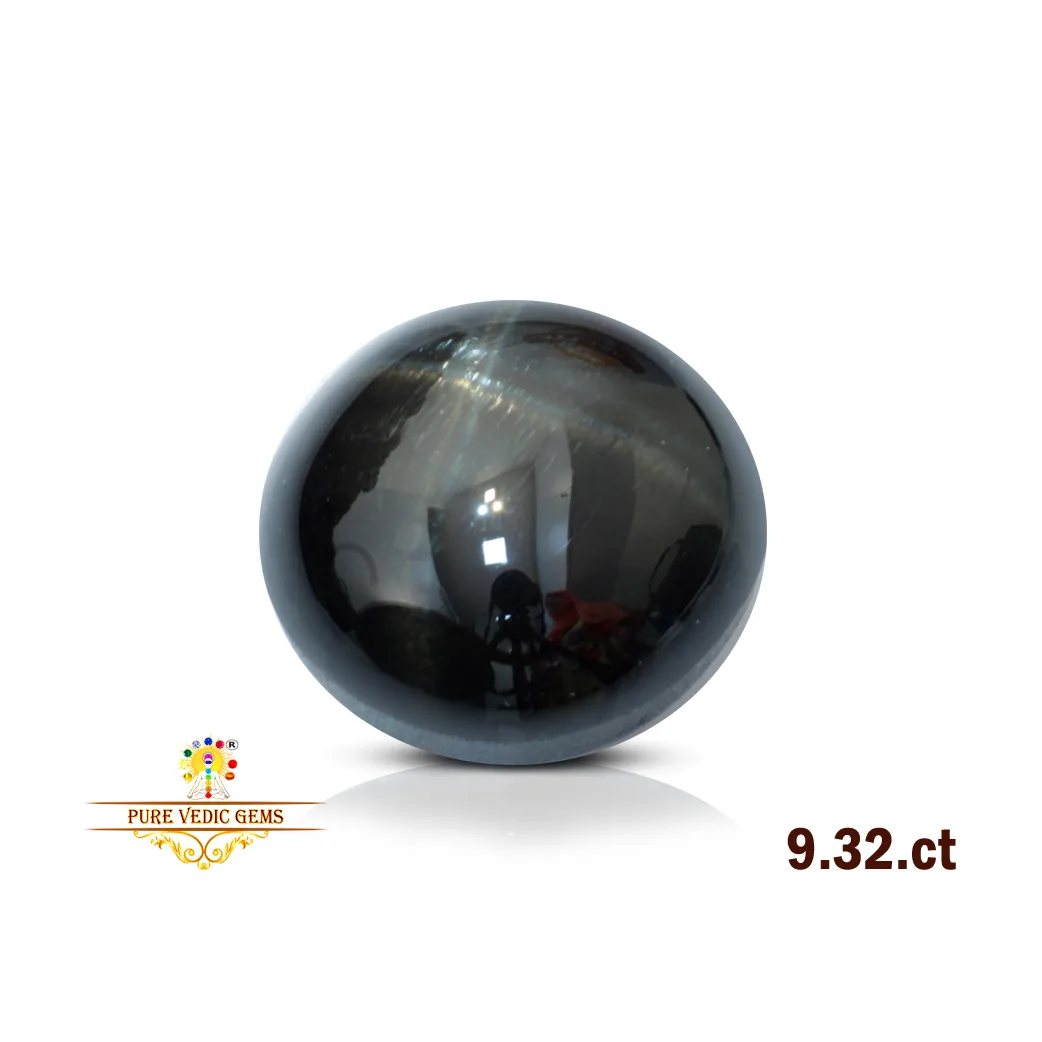
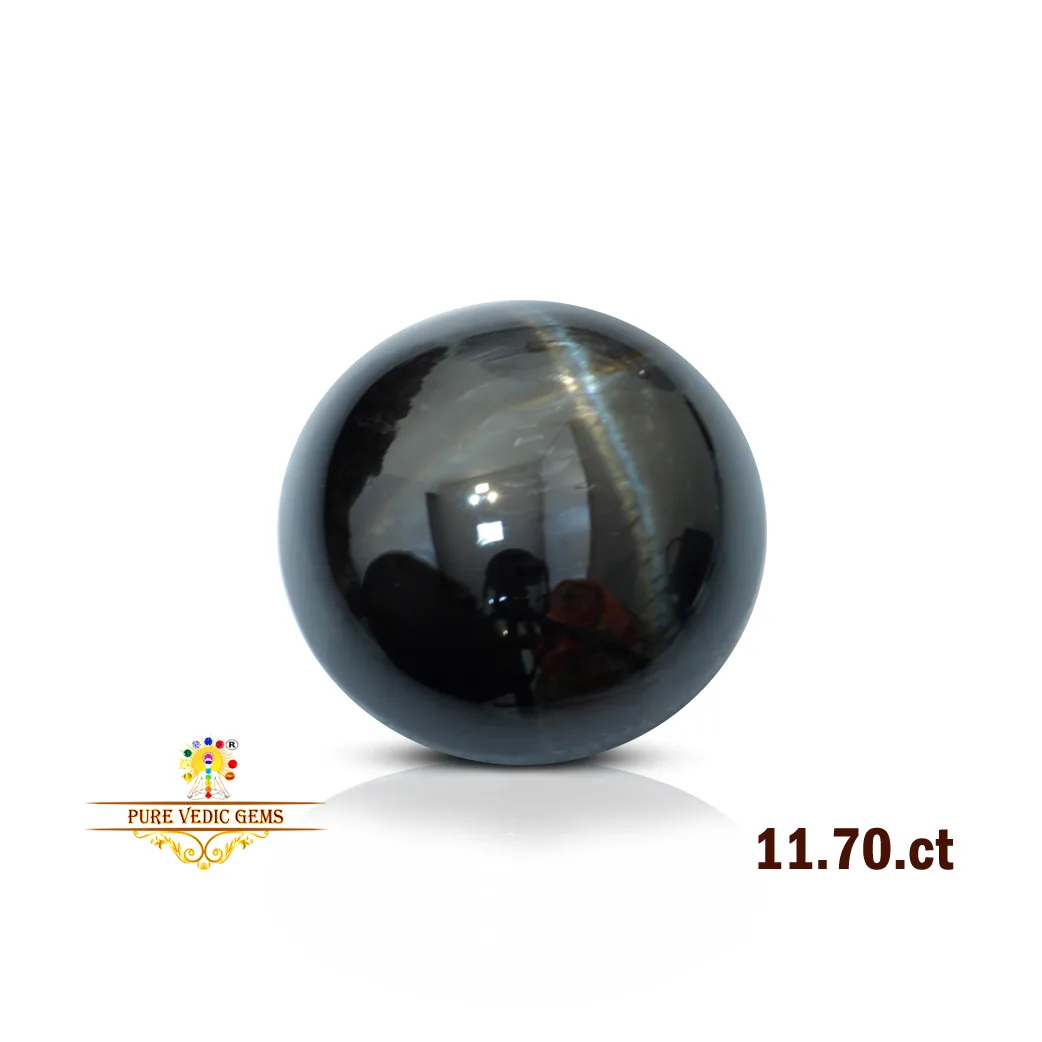
Black star diopside is sometimes sold as spiritual protection — separate from Budh mapping.
Small sizes dominate — large clean chrome diopside is rare.
Intense green saturation and clarity drive price. Most gems are under 2 ct; larger stones jump in price.
Russian origin historically benchmarked; Pakistani material increasingly available.
| Colour | Chrome green, minimal yellow or grey |
| Clarity | Eye-clean rare above 2 ct |
| Size | Over 3 ct very scarce |
| Cut | Deep cuts hold colour in small sizes |
Bezel-set gold rings and pendants protect diopside. Earrings offer colour with less risk.
Pair with Peridot only if astrologer approves multiple Budh upratnas.
Avoid ultrasonic and heat. Clean gently — diopside abrades and chips more easily than beryl.
Remove before sports and gardening.
Glass and garnet imitations possible. "Russian emerald" mislabels on diopside — it is not beryl.
Do not confuse chrome diopside with chrome tourmaline — both green, different minerals and testing.
Emerald is beryl and primary Budh ratna. Chrome diopside is pyroxene upratna — greener brilliance at lower cost, less hardness.
Crystal habit yields small clean rough — large chrome diopside is geologically rare.
Russian material set colour standards, but any vivid natural chrome diopside may work per astrologer.
Little finger, gold, Budh Hora, Budh mantra — standard Mercury protocol.
Both are green upratnas. Peridot is olivine (yellow-green); diopside is chromium green (emerald-like). Astrologer chooses.
Moderate risk — hardness 5.5–6.5. Bezel mounts and occasional wear extend life; pendants are safer.